In the realm of industrial automation and electrical engineering, proximity sensors are indispensable components for non-contact detection, object positioning, and process control. Understanding their specific terminology is crucial for proper selection, integration, and troubleshooting. This article provides a clear explanation of key terms associated with proximity sensors.
1. Sensing Distance (Sn)
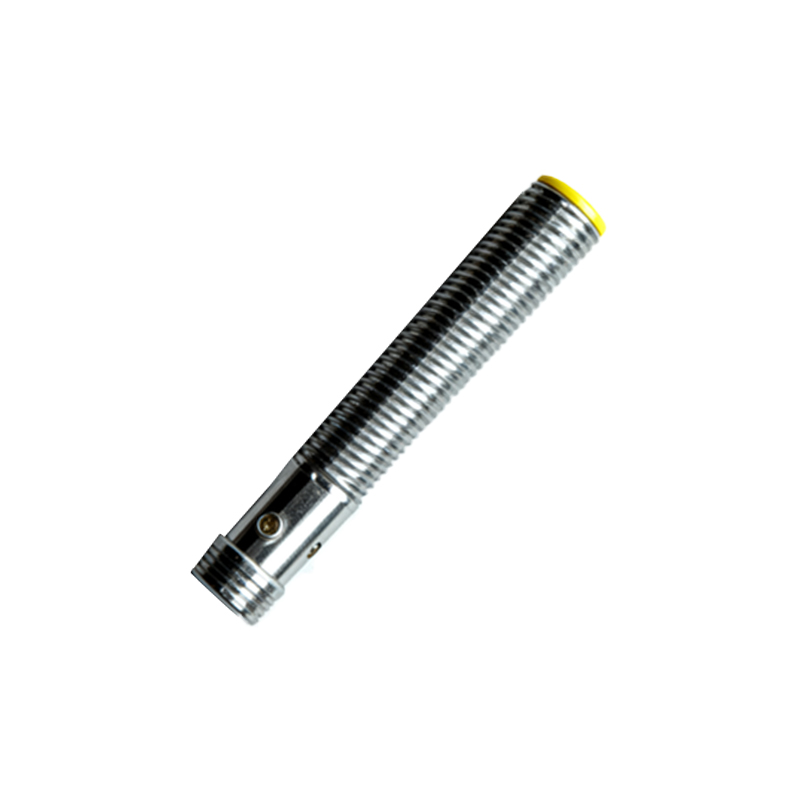
This is the nominal operating distance. It is the theoretical distance at which a standard target (typically a square of mild steel defined by the sensor's specifications, e.g., 1mm x 1mm x 1mm for inductive types) will trigger the sensor's switching action under standardized conditions (voltage, temperature). The actual usable sensing distance can vary due to target material, size, temperature, and supply voltage fluctuations. It is critical to note that the sensing distance is not the maximum distance at which any detection occurs but the reliable, repeatable switching point.
2. Hysteresis
Hysteresis is the difference between the switch-on point (when the target approaches) and the switch-off point (when the target recedes). Expressed as a percentage of the sensing distance (Sn), this feature prevents output signal oscillation or "chatter" when a target is positioned at the exact switching threshold. For instance, if a sensor has an Sn of 10mm and 10% hysteresis, it will turn on at 10mm as the target approaches but will not turn off until the target moves back to 11mm away.
3. Repeatability
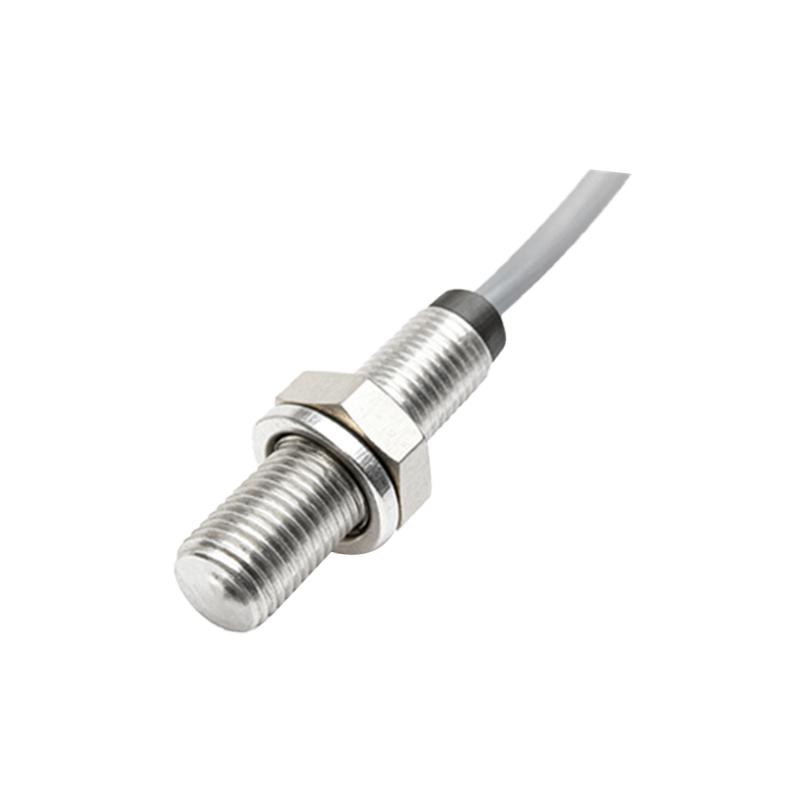
This parameter defines the sensor's precision. It is the maximum variation in the switch-on point observed when a target is repeatedly brought to the sensor under identical conditions (same approach speed, direction, ambient temperature). High repeatability (a very small value, e.g., ±0.02mm) is essential for high-precision positioning applications.
4. Output Configuration
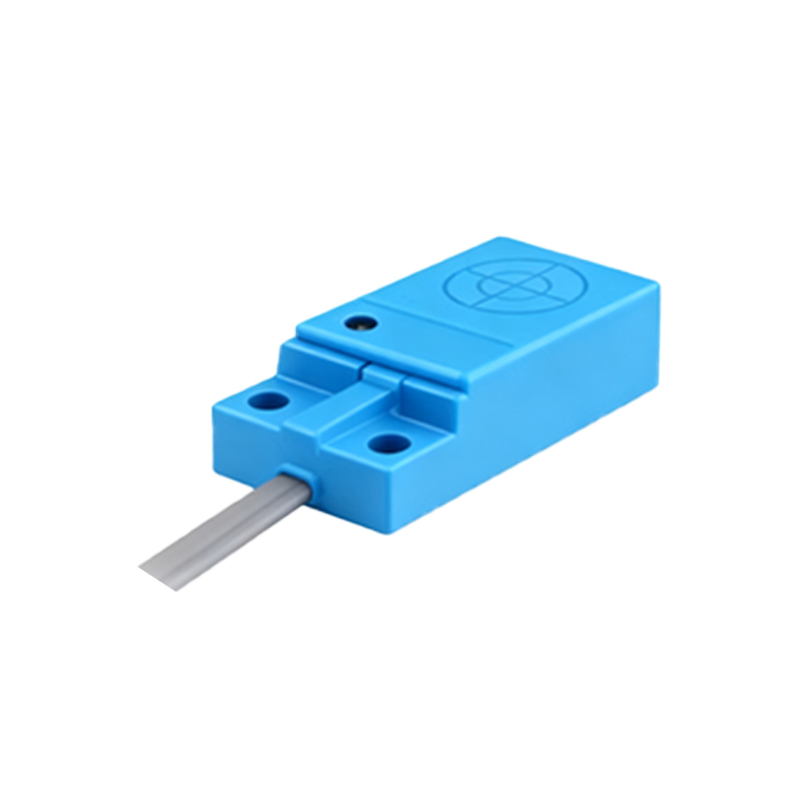
This defines the electrical switching element inside the sensor.
PNP (Sourcing): The output switch connects the load to the positive supply voltage (+V). When activated, it "sources" current to the load.
NPN (Sinking): The output switch connects the load to ground (0V). When activated, it "sinks" current from the load.
NO (Normally Open) / NC (Normally Closed): Describes the state of the output switch when no target is present. NO means the circuit is open (off); NC means the circuit is closed (on). The switching action reverses this state.
5. Shielding (Shielded / Unshielded)
This refers specifically to inductive proximity sensors and their magnetic field design.
Shielded (Flush-mountable): The sensor's sensing face is surrounded by a metal ring that focuses the electromagnetic field forward. This allows the sensor to be flush-mounted in metal without affecting its performance, but it typically results in a shorter sensing range.
Unshielded (Non-flush-mountable): The sensor has no shielding ring, allowing its electromagnetic field to extend laterally. This provides a longer sensing range but requires a clearance (non-metallic zone) around the sensor when mounting to prevent interference from the mounting material.
6. Response Frequency
Also called switching frequency, this is the maximum number of on/off cycles per second (Hz) the sensor can reliably perform. It determines how fast a sensor can detect moving targets. A high response frequency is necessary for high-speed counting or detecting small parts on a fast conveyor.
7. IP Rating (Ingress Protection)
The IP code (e.g., IP67, IP69K) indicates the level of protection against solid objects (first digit) and liquids (second digit). For harsh industrial environments, ratings like IP67 (dust-tight and protected against temporary immersion) or IP69K (protected against high-pressure, high-temperature water jets) are common.
8. Target Material Factor
For inductive sensors, this is a critical consideration. The sensing distance is rated for mild steel. Other materials affect the effective range. For example, aluminum, brass, and copper are detected at a reduced distance, often 30-60% of Sn. Stainless steel detection ranges vary widely based on its specific magnetic properties.
9. Analog Output
Beyond simple on/off switching, many proximity sensors provide an analog output signal (e.g., 0-10V, 4-20mA) that is proportional to the distance between the sensor and the target. This allows for continuous position monitoring, not just presence detection.
10. Temperature Drift
This specifies the allowable change in the sensing distance due to variations in ambient temperature, typically expressed as a percentage of Sn per degree Celsius. A low temperature drift coefficient ensures stable performance across the sensor's operating temperature range.
Mastering