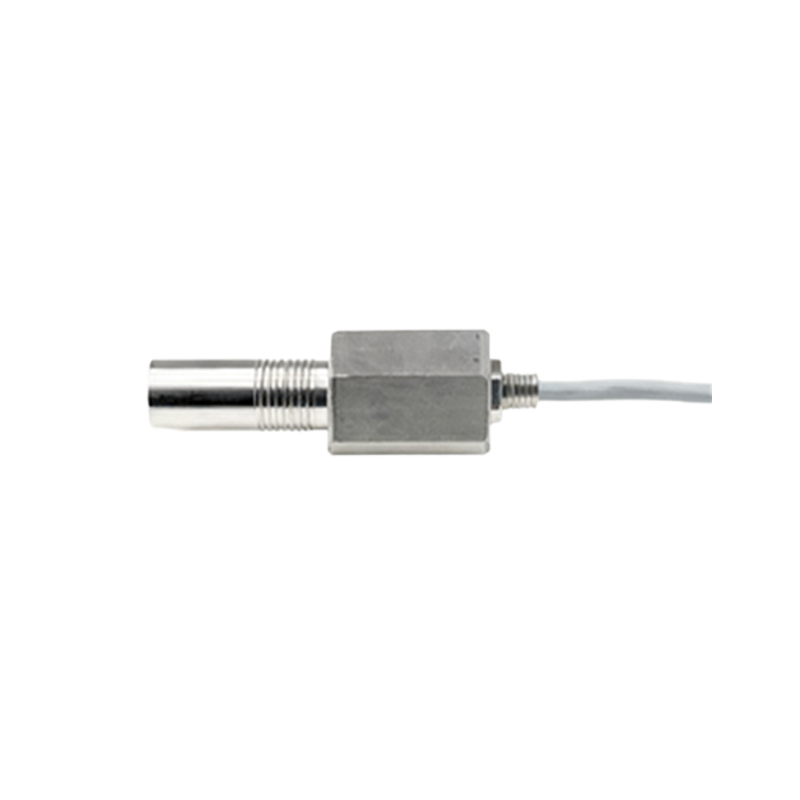
In the realm of industrial automation, the reliable detection of metallic objects is a fundamental requirement for countless processes, from assembly line sequencing to robotic positioning. Among the myriad of sensing solutions available, inductive proximity sensors stand out for their robustness, non-contact operation, and precision. The LJ30A3 model represents a classic and widely utilized example within this category, offering a dependable and cost-effective solution for standard sensing tasks. This article delves into the operational principles, key specifications, typical applications, and best practices for integrating the LJ30A3 inductive proximity sensor into industrial systems.
At its core, the LJ30A3 is a cylindrical, shielded inductive proximity switch. Its operation is based on the principle of electromagnetic induction. The sensor's face contains a coil that is part of an oscillator circuit, generating a high-frequency electromagnetic field. When a metallic object (the "target") enters this active field, eddy currents are induced on the surface of the target. These eddy currents draw energy from the oscillator, causing a reduction in its amplitude. An integrated evaluation circuit within the sensor detects this amplitude change and triggers a solid-state switching output. This entire process occurs without any physical contact, ensuring long operational life and eliminating mechanical wear.
The "30" in LJ30A3 typically denotes an 18mm diameter cylindrical housing (M18 thread), a common industry standard that balances sensing range with physical size. The "A3" suffix often indicates specific electrical characteristics, most commonly a 3-wire DC configuration (brown wire for +V, blue wire for 0V/common, and black wire for the switched output). It is crucial to verify the exact datasheet for a specific unit, as output types can be NPN (sinking) or PNP (sourcing), and voltage ranges are usually 10-30V DC. The sensing distance, or "rated operating distance (Sn)", for a standard LJ30A3 with a mild steel target is typically 8mm. It is vital to remember that this nominal range is calibrated for a square piece of mild steel (Fe 360). The actual sensing distance can vary with different metals; for instance, stainless steel may reduce the effective range to approximately 60-70% of Sn, while aluminum or copper may reduce it further to 30-40%. This factor must be carefully accounted for during system design.
A key advantage of the shielded (flush-mountable) design of the LJ30A3 is its installation flexibility. It can be mounted flush in a metal bracket without the sensing field being adversely affected by the surrounding metal. This is in contrast to unshielded sensors, which require a clear non-metallic zone around the sensing face to achieve their full range. The LJ30A3 is generally rated with IP67 protection, making it resistant to dust ingress and capable of withstanding temporary immersion in water, which is essential for harsh industrial environments involving coolants, washdowns, or outdoor exposure.
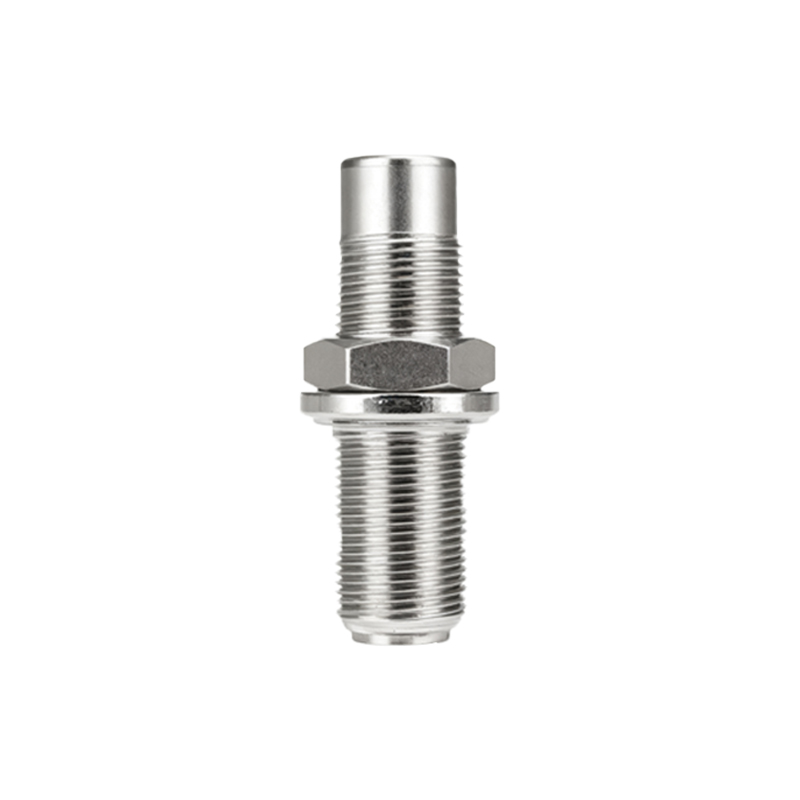
Typical applications for the LJ30A3 are extensive. It is perfectly suited for tasks such as detecting the presence or absence of metal parts on a conveyor, counting metallic products, verifying the closed position of a metal door or guard, establishing end-of-travel limits for pneumatic cylinders (often via a built-in metal piston ring), and providing position feedback in machinery. Its robustness makes it a preferred choice over mechanical limit switches in high-cycle or dirty applications.
For successful implementation, several installation and wiring considerations are paramount. First, ensure the power supply voltage matches the sensor's specification and is stable. Incorrect polarity can damage the device. When wiring, always follow the manufacturer's color code or diagram. For DC 3-wire sensors, a load (such as a PLC input, relay coil, or indicator lamp) is connected between the output wire and either the positive or negative rail, depending on the NPN/PNP type. It is considered good practice to include an in-line fast-blow fuse for circuit protection. Secondly, during mounting, avoid creating excessive stress on the housing, especially the cable gland or connector area. For threaded models like the M18 LJ30A3, use appropriate tools and do not over-tighten. Finally, consider the environment. While resistant, prolonged exposure to extreme temperatures, strong magnetic fields, or aggressive chemicals outside its specification can degrade performance or cause failure. Regular functional testing as part of preventive maintenance is recommended to ensure ongoing system reliability.
In conclusion, the LJ30A3 inductive proximity sensor embodies a mature and proven technology that continues to be a workhorse in factory automation. Its simplicity, durability, and effectiveness in detecting metallic objects make it an indispensable component for engineers and technicians. By understanding its operating principles, respecting its specifications regarding sensing distance and target material, and following proper installation guidelines, the LJ30A3 can provide years of