In the realm of industrial and commercial security, the integration of reliable, non-contact sensing technology is paramount. Proximity switches, long-established workhorses in automation for position detection and object counting, have found a sophisticated and highly effective secondary application in anti-theft alarm systems. Their inherent characteristics—robustness, environmental immunity, and discreet operation—make them ideal sensors for protecting assets, securing perimeters, and monitoring unauthorized access in challenging environments.
Unlike traditional mechanical switches or motion detectors that may be prone to false triggers or physical tampering, proximity sensors offer a silent, invisible shield. Inductive proximity switches, which detect metallic objects, are exceptionally suited for securing high-value metal assets, machinery, tool cabinets, or storage containers. A sensor discreetly mounted inside a cabinet door frame, for instance, can detect the presence of the metal door itself. When the door is opened, the metal moves out of the sensor's detection field, triggering the alarm circuit. This setup is vastly superior to simple mechanical door contacts, as the sensor is fully sealed against dust, moisture, and oil, and there is no physical wear from repeated operation.
For applications involving non-metallic objects, capacitive proximity switches provide the solution. They can detect materials like wood, plastic, liquids, and even the human body through non-metallic barriers. This capability allows for innovative security designs. Imagine a valuable painting secured to a wall. A capacitive sensor mounted behind the wall or within the frame can be calibrated to detect the presence of the canvas. Any attempt to remove the painting alters the capacitive field, instantly triggering an alarm. Similarly, these sensors can be used to protect displays behind glass or to monitor the fill level in secure storage tanks for liquids, alerting to unauthorized siphoning.
The integration of these sensors into a comprehensive alarm system is straightforward yet powerful. The proximity switch is typically connected to a programmable logic controller (PLC) or a dedicated security alarm module. The system logic is simple: the sensor provides a constant "high" signal when the protected object is in its proper state (door closed, asset present). A change to a "low" signal indicates a breach. Advanced programming can differentiate between normal, authorized access (using a bypass code or key switch) and unauthorized tampering. For perimeter security, a series of inductive sensors can be buried along a fence line to detect attempts to cut or climb the metal fence, creating an invisible underground detection zone.
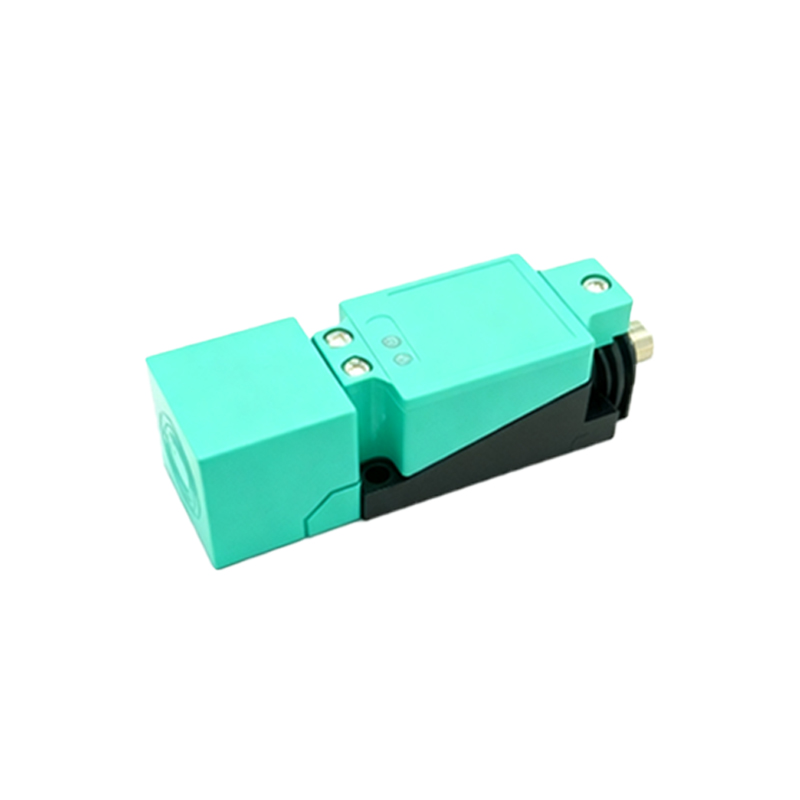
The advantages of using proximity switches for anti-theft purposes are numerous. Their solid-state design ensures long-term reliability with minimal maintenance. They are immune to ambient light, sound, and most environmental contaminants, reducing false alarms—a critical factor in security system credibility. Their small size and variety of housing shapes (cylindrical, rectangular, ring-shaped) allow for extremely covert installation, making it difficult for intruders to locate and disable them. Furthermore, their fast response time ensures immediate alarm activation the moment a breach is initiated, not after it is completed.
Consider a practical application in a warehouse setting. High-value automotive parts stored on metal shelving can be protected by inductive sensors on each shelf. If a part is removed without proper deactivation of the alarm zone, the system triggers. In a museum, capacitive sensors can safeguard artifacts in display cases without the need for visible pressure pads or laser grids, preserving aesthetic integrity. For securing industrial vehicles or construction equipment, a hidden inductive sensor on the ignition cover or fuel cap can prevent hot-wiring or fuel theft.
In conclusion, the application of proximity switches in anti-theft alarm systems represents a smart convergence of industrial automation technology and security engineering. By leveraging their precise, non-contact detection principles, security designers can create robust, discreet, and highly reliable protection layers for a vast array of assets. As sensor technology continues to advance, offering longer ranges, smarter diagnostics, and IO-Link communication for condition monitoring, their role in integrated security solutions will only become more pivotal, providing a silent, vigilant guard against loss and intrusion.