In the rapidly evolving landscape of mobile technology, proximity sensors have become an indispensable component, seamlessly integrated into smartphones to enhance both functionality and user experience. These small yet powerful sensors operate by detecting the presence of nearby objects without any physical contact, primarily using infrared (IR) light or capacitive sensing technologies. Their primary role is to prevent accidental screen touches during calls by turning off the display when the phone is held close to the ear, thereby conserving battery life and improving usability.
The working principle of a typical IR-based proximity sensor involves an IR LED that emits infrared light and a photodetector that measures the reflection of this light off nearby objects. When an object, such as a user's face, comes within a predetermined range—usually a few centimeters—the reflected light intensity changes, triggering the sensor to send a signal to the processor. This prompts the device to deactivate the touchscreen and backlight, ensuring no unintended inputs occur during voice calls. Advanced sensors also incorporate ambient light detection to adjust screen brightness dynamically, further optimizing power consumption and readability in varying lighting conditions.
From an engineering perspective, the integration of proximity sensors poses several design challenges. Miniaturization is critical, as smartphone manufacturers strive to maximize screen-to-body ratios in sleek, compact designs. Engineers must carefully position the sensor to avoid interference from other components, such as speakers or cameras, while ensuring accurate detection across diverse user scenarios, including different skin tones and accessories like glasses or hats. Additionally, power efficiency is paramount; modern sensors are designed with low-power modes and intelligent algorithms that minimize energy drain without compromising responsiveness.
The applications of proximity sensors extend beyond call management. In contemporary smartphones, they enable features like automatic screen wake-up when the device is removed from a pocket or bag, gesture-based controls for hands-free operation, and enhanced gaming experiences by detecting hand movements. Some high-end models even use advanced proximity sensing for security purposes, such as detecting when the phone is covered or obscured, potentially triggering lock mechanisms to protect sensitive data.
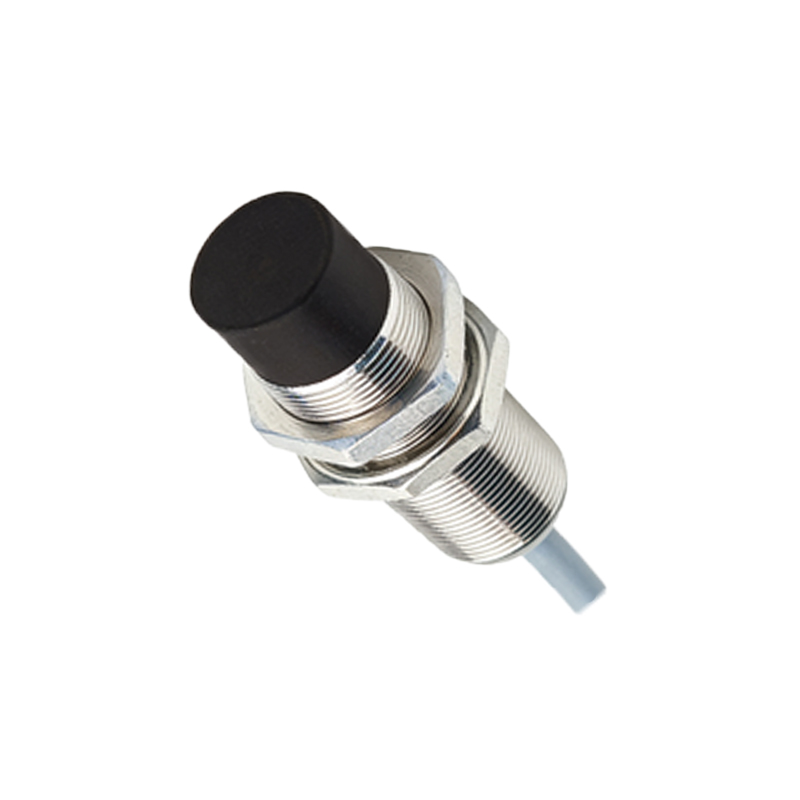
Looking ahead, the future of proximity sensors in mobile devices is intertwined with innovations in sensor fusion and artificial intelligence. By combining data from proximity sensors with inputs from accelerometers, gyroscopes, and cameras, smartphones can achieve more contextual awareness—for instance, automatically pausing media playback when the user looks away or adjusting volume based on hand proximity. Furthermore, the rise of foldable and flexible displays introduces new requirements for proximity sensing, necessitating sensors that can adapt to dynamic form factors and multiple screen orientations.
In conclusion, proximity sensors are a testament to the subtle yet significant engineering marvels embedded in everyday smartphones. They not only improve practical functionalities like battery conservation and accidental touch prevention but also pave the way for more intuitive and immersive user interactions. As mobile technology continues to advance, these sensors will undoubtedly evolve, playing a pivotal role in shaping the next generation of smart devices. For industry professionals, staying abreast of these developments is essential for driving innovation and meeting the ever-growing demands of consumers.