Proximity sensors have become indispensable components in modern industrial automation, offering a range of benefits that enhance efficiency, safety, and reliability. These non-contact detection devices are designed to sense the presence or absence of objects without physical contact, making them ideal for harsh or demanding environments. One of the primary advantages is their durability and longevity. Since there is no mechanical wear from physical contact, proximity sensors exhibit extended operational lifespans, reducing maintenance costs and downtime. They are capable of withstanding extreme conditions, including high temperatures, moisture, dust, and vibration, which are common in manufacturing plants, automotive assembly lines, and material handling systems.
Another significant benefit is the high-speed response and accuracy of proximity sensors. They can detect objects at rapid rates, often in milliseconds, ensuring precise timing in automated processes such as counting, positioning, and sorting. This speed contributes to increased production throughput and improved product quality. Additionally, proximity sensors are available in various types, including inductive, capacitive, and magnetic sensors, each tailored to specific applications. Inductive sensors, for example, excel at detecting metallic objects, while capacitive sensors can sense non-metallic materials like plastics, liquids, or wood, providing versatility across industries.
Energy efficiency is also a notable advantage. Many proximity sensors consume minimal power, making them suitable for battery-operated devices or energy-conscious installations. Their solid-state design eliminates moving parts, further enhancing reliability and reducing the risk of failure. In terms of safety, proximity sensors play a crucial role in preventing accidents by enabling safe machine operation. They can be integrated into safety systems to detect human presence or ensure equipment is correctly aligned, thereby minimizing hazards in workplaces.
Furthermore, proximity sensors offer easy integration and compatibility with modern control systems. They often feature standardized output signals (e.g., PNP, NPN, or analog) that connect seamlessly with PLCs (Programmable Logic Controllers) and other automation hardware. This simplifies installation and programming, allowing for flexible adaptation to changing production needs. The compact size of many sensors enables installation in tight spaces, optimizing layout design without compromising functionality.
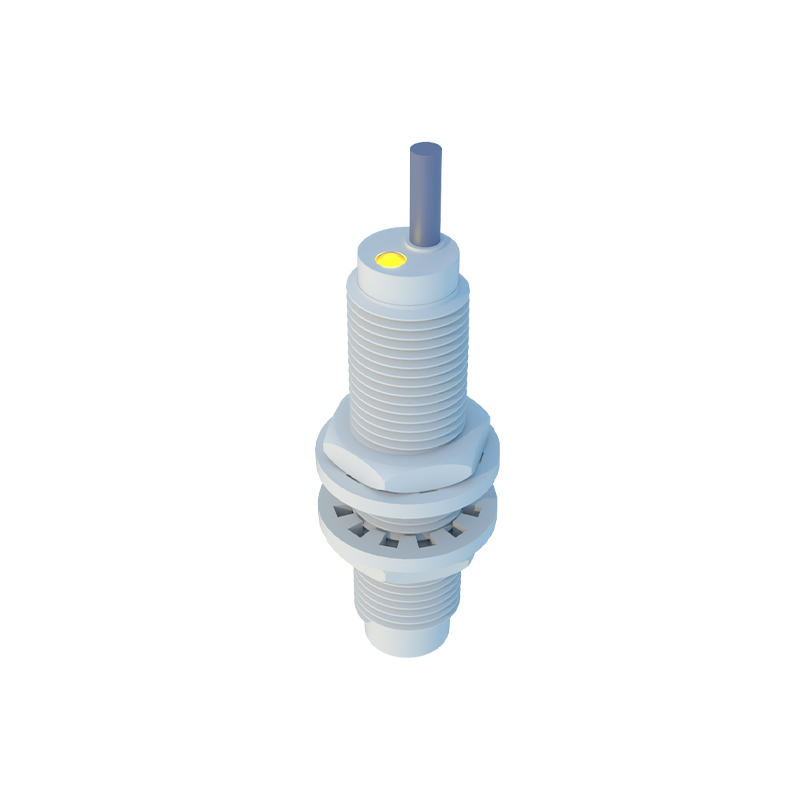
From a cost perspective, the long-term savings associated with proximity sensors are substantial. While initial investment may be higher than mechanical switches, the reduced maintenance, lower replacement frequency, and enhanced process efficiency lead to a favorable return on investment. Industries such as packaging, robotics, and automotive manufacturing have leveraged these advantages to streamline operations and boost competitiveness. In summary, proximity sensors deliver a combination of durability, precision, versatility, and safety, making them a cornerstone of industrial automation. As technology advances, their capabilities continue to expand, driving innovation in smart factories and IoT (Internet of Things) applications.