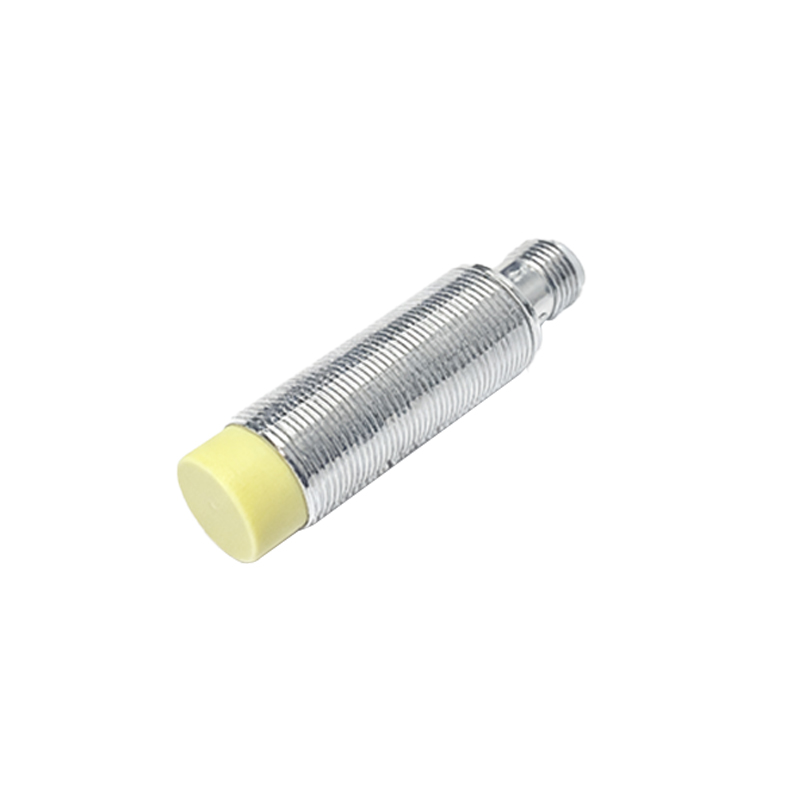
In the rapidly evolving landscape of industrial automation, intelligent proximity sensors have become indispensable components for ensuring precision, safety, and efficiency. These advanced sensors, capable of detecting the presence or absence of objects without physical contact, are integral to applications ranging from assembly lines and robotic systems to automotive manufacturing and logistics. However, the reliability of these sensors hinges on rigorous performance testing, which validates their functionality under diverse operational conditions. This article delves into the key methodologies and metrics essential for evaluating intelligent proximity sensors, highlighting industry best practices.
Performance testing of intelligent proximity sensors encompasses several critical parameters. First and foremost is detection range accuracy, which determines the sensor's ability to consistently identify objects within specified distances. Engineers employ calibrated test setups with moving targets to simulate real-world scenarios, measuring deviations from the nominal sensing range. Environmental factors such as temperature fluctuations, humidity, and electromagnetic interference (EMI) can significantly impact this accuracy. Therefore, comprehensive testing includes thermal cycling chambers and EMI chambers to assess sensor resilience. For instance, a sensor designed for automotive use must maintain detection precision across temperatures from -40°C to 85°C, as per industry standards like ISO 16750.
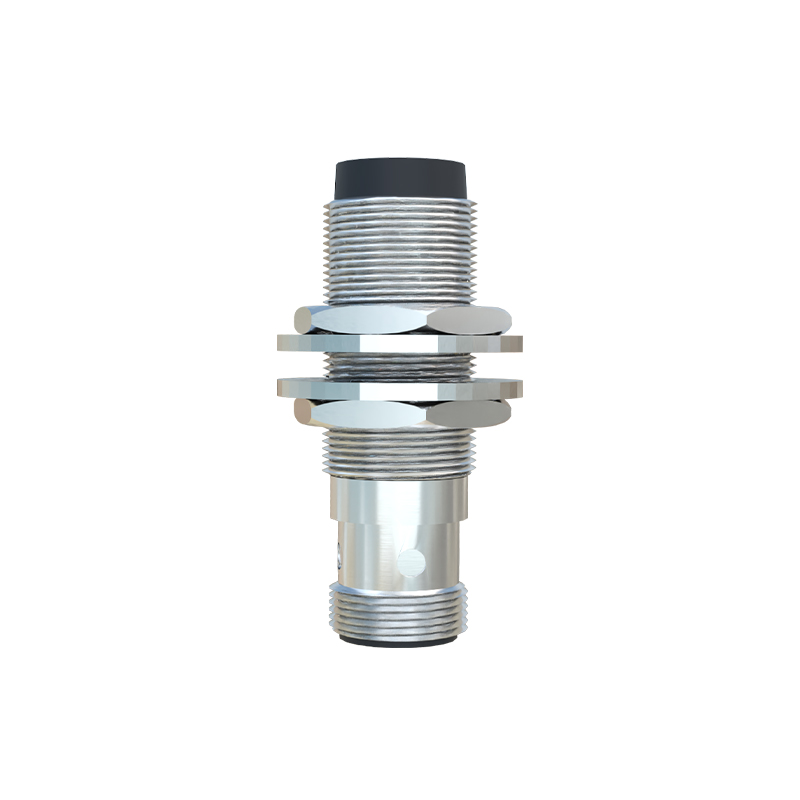
Another vital aspect is response time and repeatability. Intelligent proximity sensors often integrate microprocessors for signal processing, enabling features like adaptive threshold adjustment and diagnostics. Testing involves high-speed data acquisition systems to measure the time delay between target appearance and sensor output. Repeatability tests, conducted over thousands of cycles, ensure the sensor delivers consistent performance without drift. In automated packaging lines, where sensors detect items on conveyor belts, a response time of less than 2 milliseconds may be required to prevent bottlenecks. Advanced sensors with IO-Link or Ethernet/IP connectivity allow for real-time monitoring of these parameters, facilitating predictive maintenance.
Environmental durability is equally crucial, especially in harsh industrial settings. Testing protocols include ingress protection (IP) ratings for dust and water resistance, as well as vibration and shock resistance per IEC 60068-2 standards. For example, sensors in mining equipment undergo rigorous vibration tests to withstand constant mechanical stress. Additionally, chemical resistance testing ensures sensors can endure exposure to oils, solvents, or cleaning agents without degradation. Intelligent sensors with self-diagnostic capabilities can alert operators to potential failures, such as lens contamination or wiring issues, thereby reducing downtime.
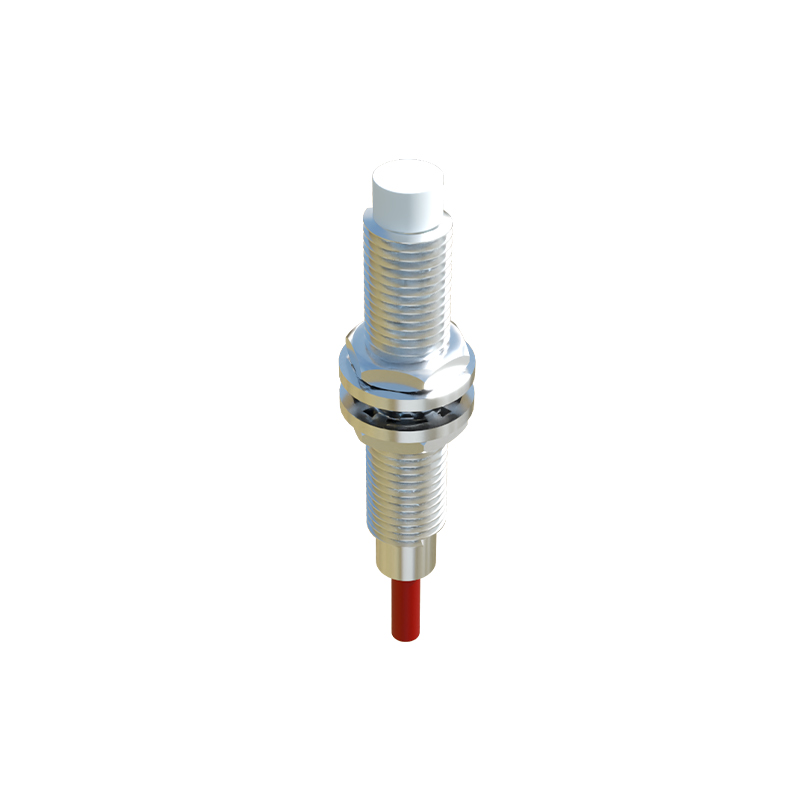
The integration of smart features introduces new testing dimensions. Many modern proximity sensors incorporate algorithms for object discrimination, background suppression, or multi-object tracking. Performance evaluation involves complex test scenarios with varying target materials (e.g., metal, plastic, glass), colors, and surface finishes. Engineers use standardized test cards or custom fixtures to verify sensor algorithms under different lighting conditions. Furthermore, cybersecurity testing has gained prominence with networked sensors; protocols like IEC 62443 guide assessments against unauthorized access or data manipulation.
Data integrity and communication reliability are paramount in Industry 4.0 ecosystems. Intelligent sensors often transmit data via industrial networks like PROFINET or Modbus TCP. Testing includes latency measurements, packet loss analysis, and interoperability checks with PLCs and SCADA systems. Long-term stability tests, spanning weeks or months, validate sensor performance over extended periods, identifying any gradual degradation. Case studies from automotive plants show that sensors failing these tests can lead to production halts, costing thousands per minute in lost revenue.
In conclusion, performance testing of intelligent proximity sensors is a multifaceted process that blends traditional engineering rigor with emerging digital demands. By adhering to international standards and leveraging automated test benches, manufacturers can ensure their sensors meet the high expectations of modern industries. As automation advances, testing methodologies will continue to evolve, incorporating AI-driven analytics for more predictive and efficient validation. Ultimately, robust testing not only enhances sensor reliability but also drives innovation in smart manufacturing, paving the way for safer and more productive industrial environments.