In the evolving landscape of industrial automation, sustainability is no longer a secondary consideration but a core operational imperative. Green proximity sensors, designed with energy efficiency, reduced environmental impact, and long-term reliability in mind, are at the forefront of this transformation. These sensors minimize power consumption, often utilize eco-friendly materials, and contribute to leaner, more responsible manufacturing processes. For engineers and procurement specialists seeking to enhance their systems' environmental profile without compromising performance, selecting the right sensor is crucial. This article ranks the top five green proximity sensors based on their energy efficiency, material sustainability, durability, and overall value in industrial applications.
Leading the ranking is the IFM EcoProx Series. This sensor family sets a high benchmark with its exceptionally low current draw, often operating below 1 mA in standard sensing modes. Its housing is constructed from high-grade recycled plastics, and the internal electronics are designed for a prolonged lifecycle, significantly reducing electronic waste. The EcoProx features advanced sleep/wake technology, where the sensor enters an ultra-low-power state during idle periods and reactivates instantaneously when an object is detected. This makes it ideal for applications in packaging and material handling where continuous operation isn't required. Its robust design also ensures reliable performance in challenging environments, making it a top choice for sustainable automation.
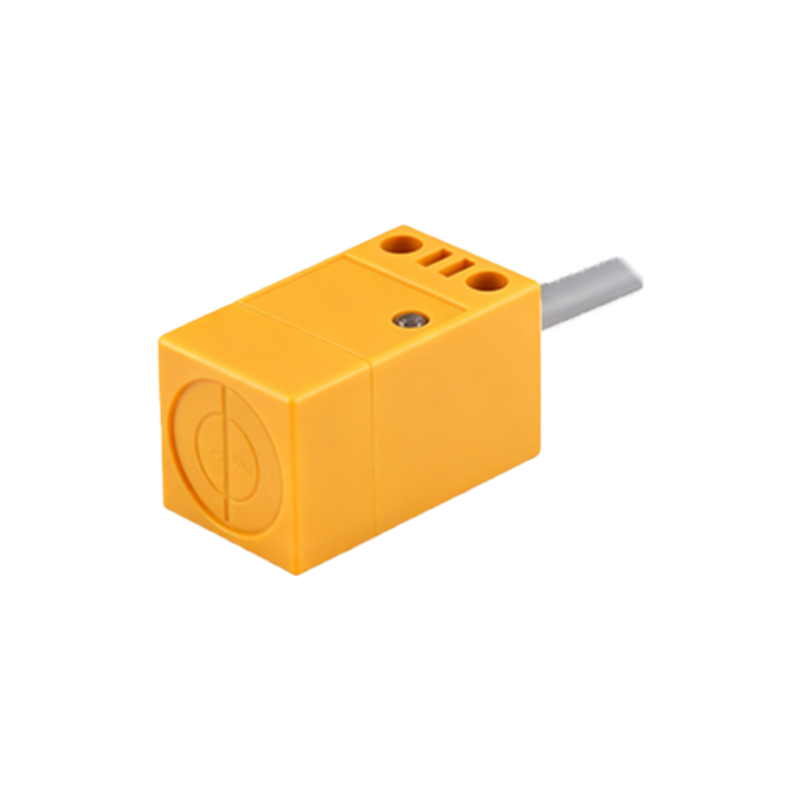
Securing the second position is the Balluff BES Eco inductive sensor. Balluff has integrated a unique "Green Mode" into this series, which intelligently adjusts the switching frequency and output power based on the target distance and required response time. This dynamic power management can reduce energy consumption by up to 70% compared to conventional models. Furthermore, the BES Eco is halogen-free and complies with stringent RoHS and REACH standards, ensuring minimal use of hazardous substances. Its compact, stainless-steel housing is fully recyclable, and the sensor's high immunity to electromagnetic interference guarantees stable operation in energy-conscious factory settings.
The Pepperl+Fuchs EcoLine sensors earn the third spot for their holistic approach to sustainability. Beyond excellent energy-saving characteristics, Pepperl+Fuchs emphasizes a sustainable product lifecycle. The EcoLine sensors are part of a certified take-back and recycling program, where end-of-life units are properly disassembled, and materials are recovered. Technologically, they boast a very wide operating voltage range, allowing them to function efficiently even on unstable or renewable power sources commonly found in modern plants. Their high repeat accuracy and resistance to temperature fluctuations make them a dependable and green solution for precision assembly and robotic applications.
In fourth place is the Sick W4S-3 Eco photoelectric sensor. This sensor excels in applications requiring non-contact detection over longer ranges. Its key green feature is an innovative optical design that requires less powerful LED emitters to achieve the same sensing performance, thereby cutting power usage. The housing is made from a bio-based polymer derived partially from renewable raw materials. The W4S-3 Eco also includes diagnostic functions that monitor its own energy consumption and lens contamination, prompting maintenance only when needed, which supports predictive maintenance strategies and prevents unnecessary energy waste.
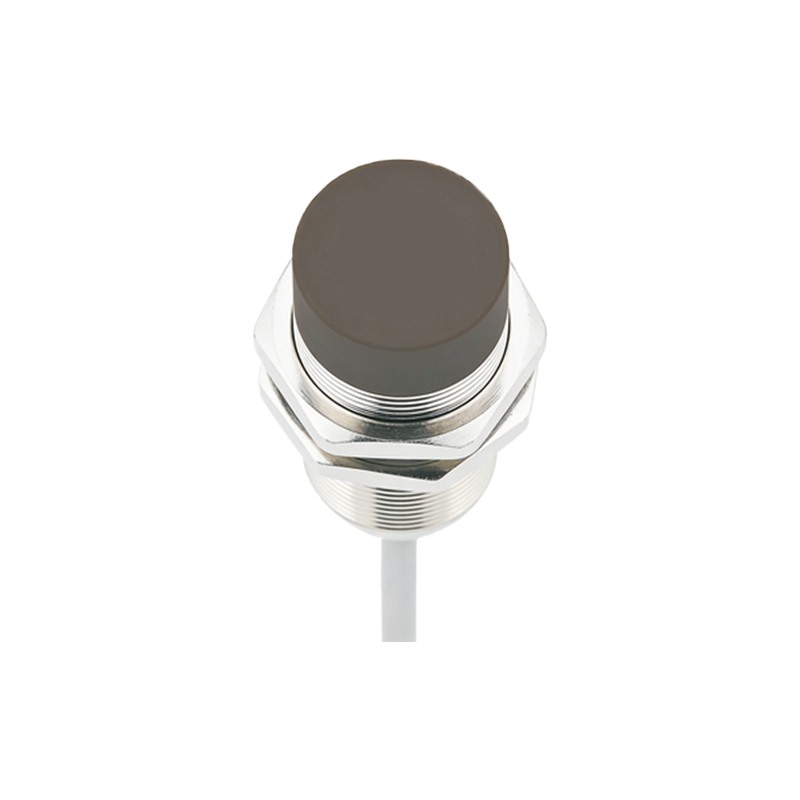
Rounding out the top five is the Omron E2E-X Eco-Friendly proximity sensor. Omron focuses on longevity and miniaturization. By using advanced ASIC technology, this sensor integrates more functions into a smaller chip, reducing material usage and power requirements. It features an energy-saving circuit that cuts standby power virtually to zero. Its extended sensing distance and robust construction against oils and coolants mean fewer replacements and less downtime, contributing indirectly to energy savings by maintaining efficient production flow. It is a compelling option for high-density mounting on machinery where space and energy are at a premium.
When integrating green proximity sensors, engineers should consider the total cost of ownership, which includes not just the purchase price but also energy costs over the sensor's lifespan and end-of-life disposal. A sensor with a slightly higher upfront cost but significantly lower power consumption often proves more economical and sustainable in the long run. Furthermore, compatibility with existing PLC systems and communication protocols like IO-Link, which can provide detailed energy usage data, is a valuable feature for system-wide energy management.
The adoption of green proximity sensors represents a tangible step toward carbon-neutral manufacturing. By prioritizing models from manufacturers like IFM, Balluff, Pepperl+Fuchs, Sick, and Omron, industries can achieve substantial reductions in their energy footprint. These sensors demonstrate that peak performance and environmental stewardship are not mutually exclusive but are synergistic goals driving the next generation of industrial automation.