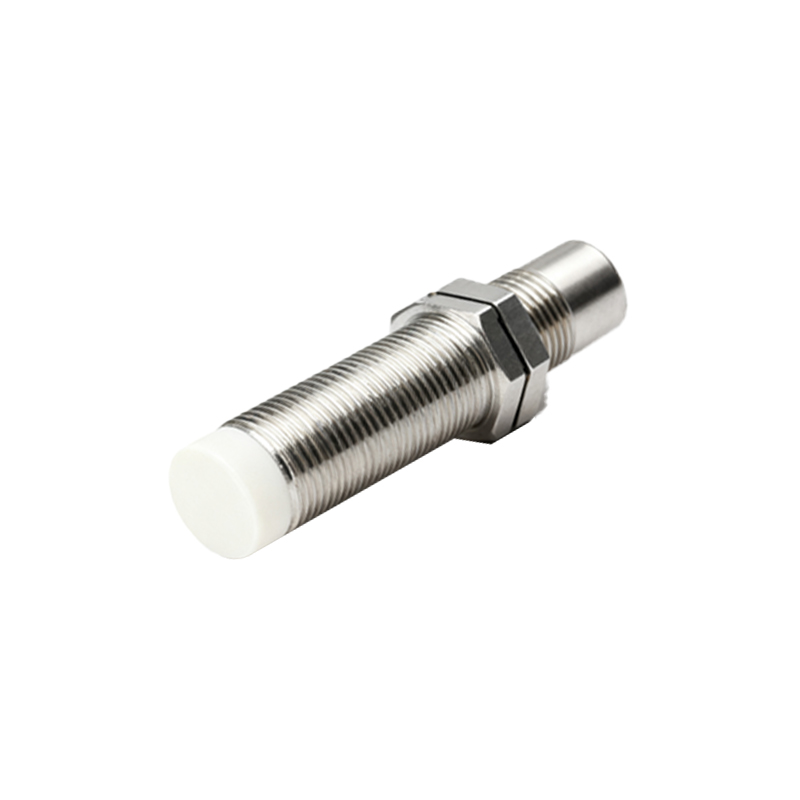
In the rapidly evolving landscape of industrial automation, proximity sensors stand as critical components for enabling non-contact detection, enhancing safety, and optimizing operational efficiency. These devices, which detect the presence or absence of objects without physical contact, are integral to countless applications—from assembly lines and robotic systems to automotive manufacturing and packaging machinery. This article provides a professional ranking and analysis of leading proximity sensor devices based on key performance metrics such as detection range, accuracy, durability, environmental resistance, and integration capabilities with modern Industrial Internet of Things (IIoT) platforms.
Topping the list is the Sick UM30-213115, a ultrasonic proximity sensor renowned for its exceptional reliability in harsh environments. With a detection range of up to 8 meters and robust resistance to dust, moisture, and temperature fluctuations, the UM30 series is a preferred choice for heavy-duty applications in material handling and outdoor logistics. Its advanced echo processing technology ensures high accuracy, minimizing false triggers even in acoustically challenging settings.
Following closely is the Omron E2E-X18MY1, an inductive proximity sensor that sets the standard for precision in metal detection. Featuring a compact, cylindrical design and a sensing distance of 18mm, this device excels in high-speed counting and positioning tasks within confined spaces. Its all-metal housing provides superior electromagnetic interference (EMI) resistance, making it ideal for use in automotive welding and machining centers where electrical noise is prevalent.
The Balluff BOS 18M-PA-2H-S4 capacitive proximity sensor ranks highly for its versatility in detecting both metallic and non-metallic materials, including liquids and plastics. With a sensing range adjustable up to 15mm, it is particularly valuable in food and beverage processing, where hygiene and material variety are paramount. The sensor's PBT housing and IP67 rating ensure durability against frequent washdowns and chemical exposure.
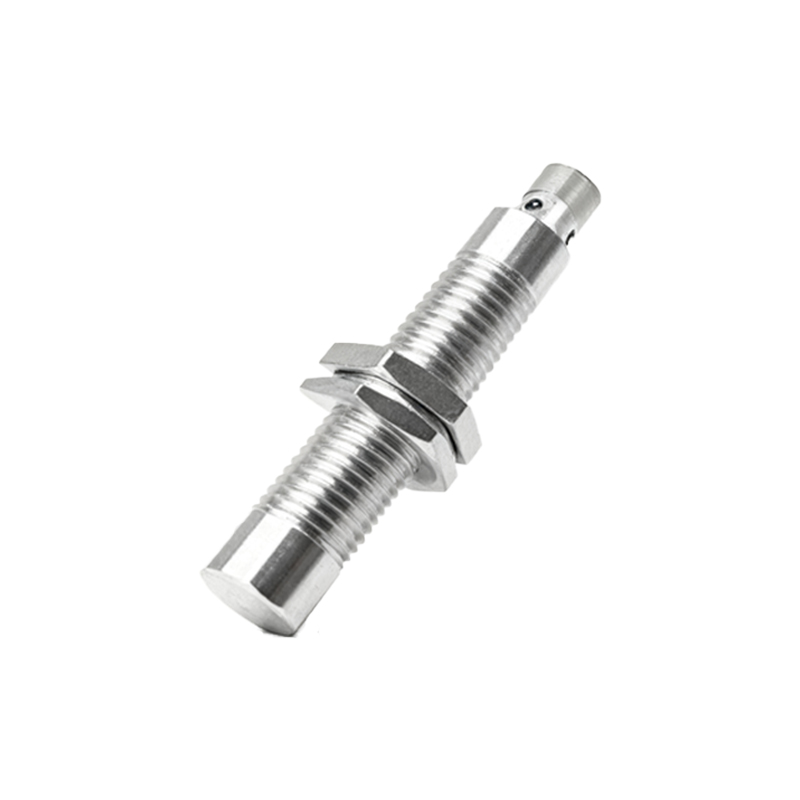
Another notable contender is the Pepperl+Fuchs UC4000-30GM-IUR2-V15, a ultrasonic sensor praised for its intelligent configurability and IO-Link communication interface. This device supports real-time parameter adjustments and diagnostics, seamlessly integrating into smart factory networks. Its ability to measure distance and level with millimeter precision makes it a staple in bulk material monitoring and automated storage systems.
The ifm electronic OY1000 photoelectric proximity sensor earns its place for outstanding optical performance in detecting small or reflective objects. Utilizing a focused red light beam with a range of up to 2 meters, the OY1000 maintains stable operation under varying light conditions, thanks to its advanced background suppression technology. It is widely deployed in electronics assembly and pharmaceutical packaging where delicate part handling is required.
Emerging trends are shaping the future of proximity sensing, including the integration of AI for predictive maintenance and the development of miniaturized sensors for collaborative robots (cobots). When selecting a proximity sensor, engineers must consider factors such as the target material, environmental stressors, required response time, and connectivity needs. The devices listed here represent the pinnacle of current technology, but continuous innovation promises even greater precision and adaptability in the years ahead. Ultimately, the optimal sensor choice hinges on a thorough analysis of application-specific demands, ensuring seamless alignment with broader automation goals.