Proximity photoelectric sensors are indispensable components in modern industrial automation, offering non-contact detection of objects with high precision and reliability. This training guide provides a comprehensive overview of their working principles, key application areas, and critical factors for proper selection and installation.
Fundamental Operating Principles
At their core, proximity photoelectric sensors function by emitting a beam of light—typically infrared, visible red, or laser—and detecting changes in the received light signal. The three primary sensing modes are through-beam, retro-reflective, and diffuse reflective. Through-beam sensors consist of separate emitter and receiver units, offering the longest sensing ranges and highest reliability by detecting the interruption of the light beam. Retro-reflective models use a single housing containing both emitter and receiver, relying on a reflector to bounce the light beam back; they are efficient for medium-range applications. Diffuse reflective sensors detect light reflected directly from the target object itself, making them ideal for short-range detection where installing a reflector is impractical.
Key Components and Specifications
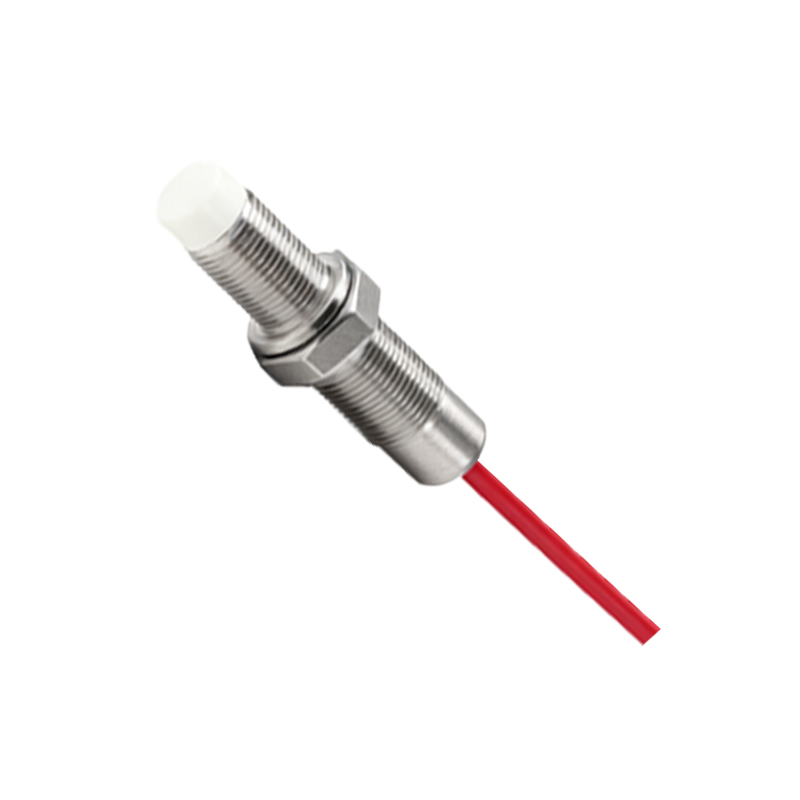
Understanding sensor specifications is crucial for effective implementation. Key parameters include sensing distance, which varies significantly among the three modes; response time, critical for high-speed applications; light source type (LED or laser); and output configuration (NPN/PNP transistor, analog, or relay). Enclosure ratings, such as IP67 for dust and water resistance, are vital for harsh industrial environments. Additionally, features like background suppression in diffuse sensors allow them to ignore objects beyond a set distance, while polarized filters in retro-reflective models help reject false signals from shiny surfaces.
Industrial Applications and Best Practices
These sensors excel in diverse scenarios: detecting presence/absence on conveyor lines, counting products, positioning machinery parts, and monitoring fill levels. In packaging, they ensure correct box placement. In automotive assembly, they verify component installation. For optimal performance, install sensors securely to minimize vibration effects. Ensure the target object's size, color, and surface texture are compatible with the sensor's specifications—dark or absorbent surfaces may reduce diffuse sensor range. Avoid optical interference from ambient light by using modulated light sources and proper shielding. Regular maintenance, including lens cleaning and alignment checks, prevents operational downtime.
Selection Criteria and Integration Tips
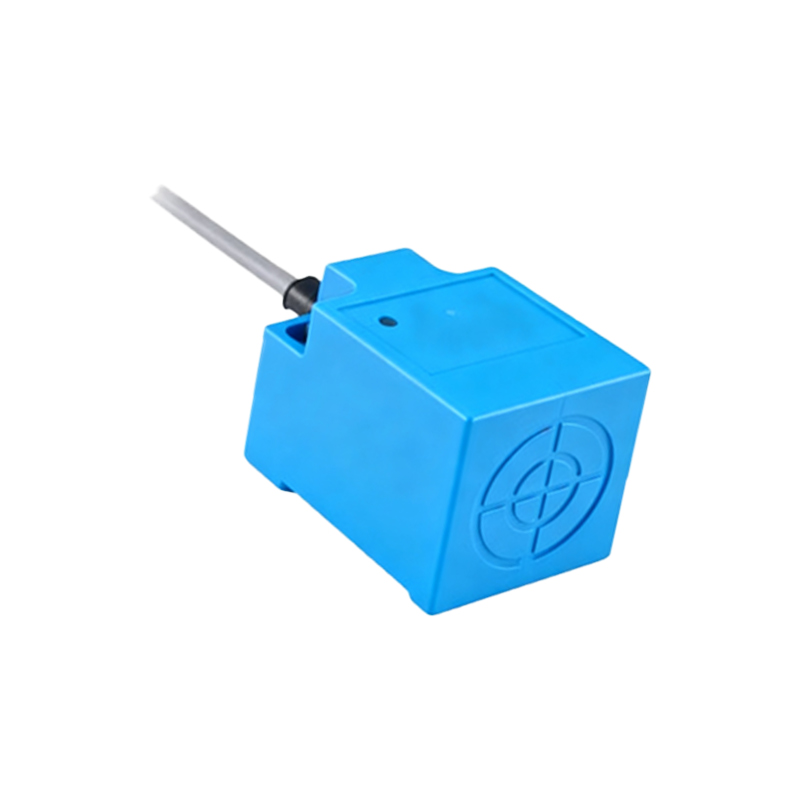
Selecting the right sensor requires analyzing the application's physical constraints, environmental conditions, and performance needs. Consider the required sensing distance first, then choose the appropriate mode. For long-range, through-beam is best. For moderate distances with easy reflector mounting, use retro-reflective. For direct detection on varied surfaces at close range, diffuse reflective is suitable. Evaluate environmental factors like temperature extremes, humidity, dust, and chemical exposure to specify the correct housing material and ingress protection rating. Electrical compatibility with the control system (e.g., PLC input type) is essential. Finally, consider specialized needs: fiber optic versions for tight spaces, or analog-output sensors for distance measurement.
Troubleshooting Common Issues
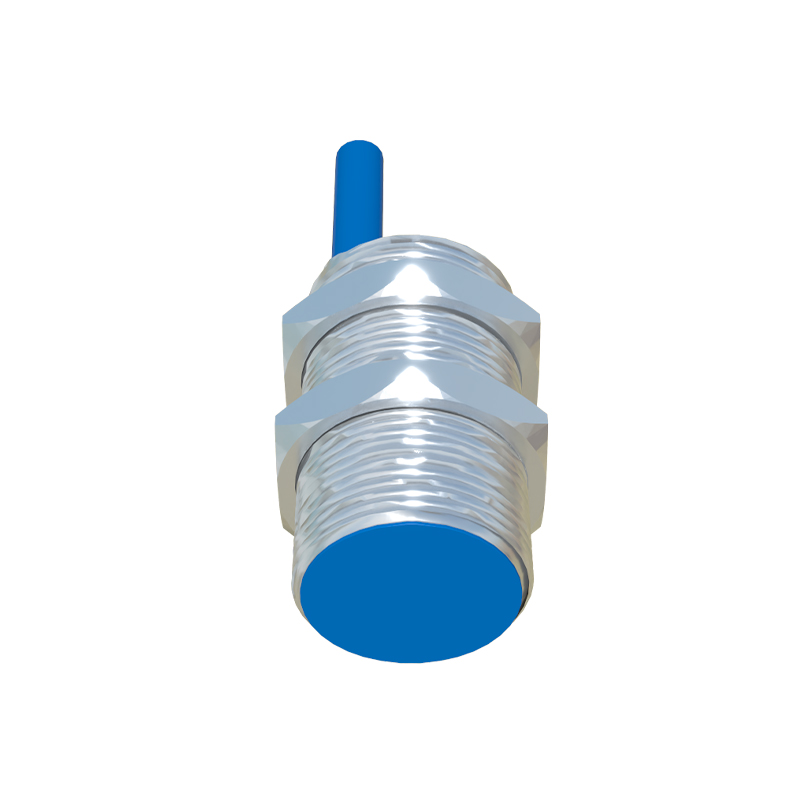
Even with proper selection, issues may arise. If a sensor fails to detect, check power supply, alignment, and lens cleanliness. Ensure the target is within the specified sensing range and large enough to interrupt or reflect sufficient light. False triggering often stems from reflective backgrounds or ambient light interference; adjusting sensitivity or using sensors with background suppression can help. For erratic operation, verify wiring connections and check for voltage fluctuations or electrical noise in the environment. Consulting the manufacturer's datasheet for specific diagnostic indicators (like stability LEDs) streamlines the troubleshooting process.
In summary, mastering proximity photoelectric sensor technology involves a solid grasp of operational modes, a methodical approach to selection based on application demands, and adherence to installation best practices. As automation evolves, these sensors continue to advance with features like IO-Link connectivity for smart factory integration, enhancing their role in efficient and reliable industrial systems.