In the world of industrial automation and smart devices, proximity switch sensors are the silent, unseen workhorses. They detect the presence or absence of an object without any physical contact, enabling countless processes to be automated, safer, and more efficient. Unlike mechanical limit switches that require touch, these electronic sensors operate on various physical principles, offering reliability and longevity in demanding environments.
The core function of a proximity sensor is to emit a field or beam and detect changes in that field caused by a target object entering its sensing range. This trigger then sends an electrical signal to a control system like a PLC (Programmable Logic Controller). The key advantage is the complete lack of mechanical wear and tear from contact, leading to minimal maintenance and a long operational life. They are also highly resistant to environmental factors like dust, oil, and moisture when properly housed.
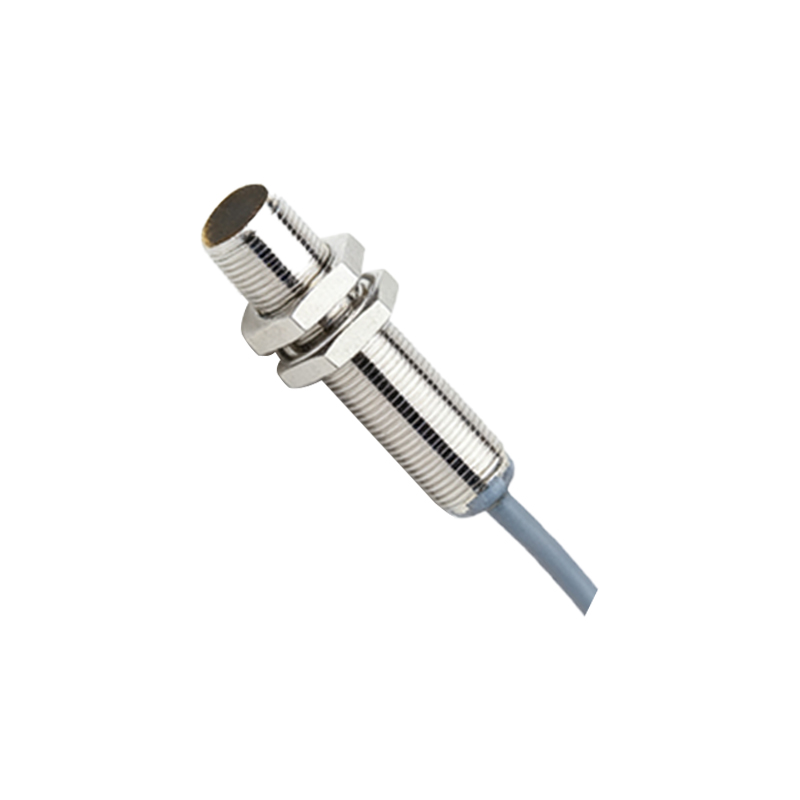
Several main types dominate the market, each with distinct operating principles and ideal use cases. Inductive proximity sensors are perhaps the most common in industrial settings. They generate an electromagnetic field and detect eddy current losses induced in metallic targets. They are excellent for detecting metals like steel, aluminum, or copper, but are ineffective for non-metallic materials. Typical applications include part counting on conveyor belts, position verification of machine parts, and end-of-travel detection.
Capacitive proximity sensors, on the other hand, can detect both metallic and non-metallic materials, including liquids, plastics, wood, and granules. They work by measuring changes in capacitance between the sensor's face and the target object. This makes them versatile for tasks like liquid level detection in tanks, monitoring presence of plastic bottles, or sensing powder levels in hoppers. Their sensitivity can often be adjusted, which is useful but can also make them prone to false triggers from environmental changes.
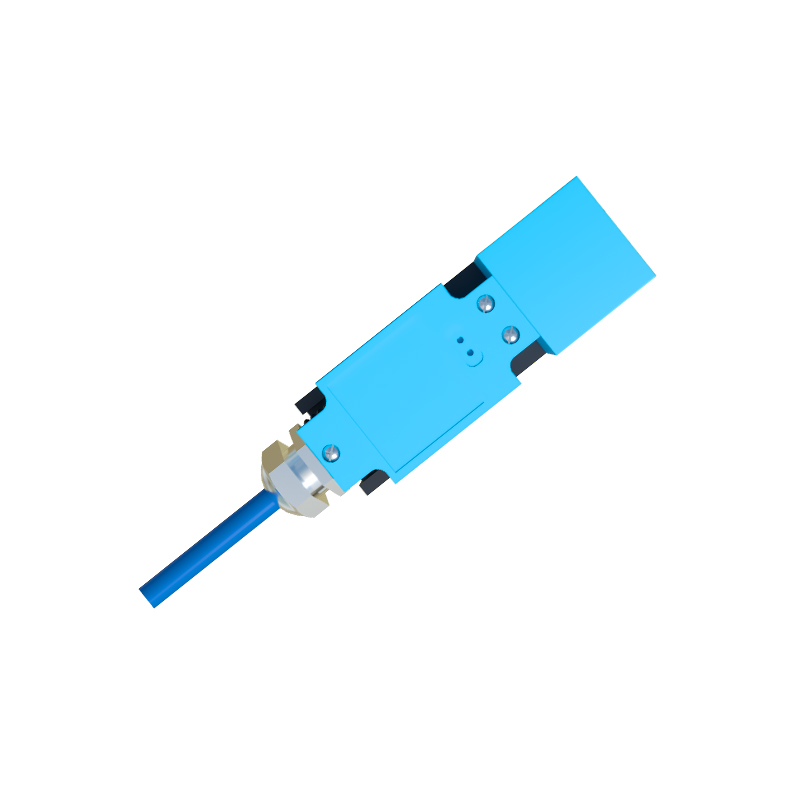
For longer sensing distances and detection of any object regardless of material, optical proximity sensors are the go-to choice. These use a light emitter (usually LED) and a receiver. In the through-beam type, the emitter and receiver are separate units; breaking the light beam indicates an object's presence. In the retro-reflective type, a single unit emits light and receives its reflection from a dedicated reflector; an object interrupting this reflection is detected. The diffuse reflective type relies on light reflecting directly off the target object itself. Optical sensors are critical in packaging, material handling, and safety curtain applications.
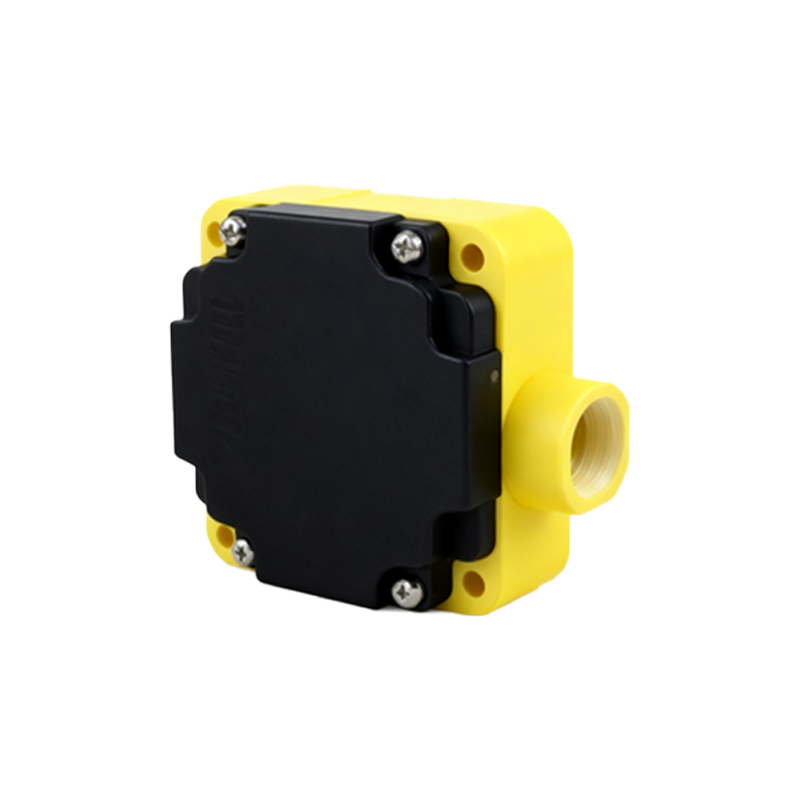
Magnetic proximity sensors are a specialized type designed specifically to detect permanent magnets. They often use reed switches or Hall-effect chips. They are incredibly reliable in harsh conditions involving extreme dirt, dust, or washdowns, as the sensing element can be completely sealed. Common uses are in hydraulic cylinders for position feedback or as door/window sensors.
Selecting the right proximity switch sensor requires careful consideration of several factors. First, identify the target material: metal, non-metal, liquid, or a magnet. This immediately narrows down the type. Next, determine the required sensing distance. The rated operating distance specified by manufacturers is for a standard target; real-world distance can vary with material type and size. The sensor's housing is also critical; cylindrical metal or plastic barrels are common, but rectangular shapes exist for specific mounting needs. The environmental rating, denoted by IP (Ingress Protection) codes, indicates resistance to solids and liquids. An IP67 rating, for example, means the sensor is dust-tight and can withstand temporary immersion.
Electrical characteristics cannot be overlooked. Most industrial sensors operate on DC (10-30V DC) or AC voltages. The output configuration is either normally open (NO) or normally closed (NC), describing the state of the output circuit when no target is present. The output type itself is typically a solid-state NPN or PNP transistor for DC sensors, or a relay for AC sensors. Ensuring compatibility with the input module of your controller is essential.
Installation and surroundings present practical challenges. Sensors should be mounted securely to avoid vibration-induced errors. For inductive sensors, maintaining adequate clearance from metal mounting surfaces and other sensors is necessary to prevent mutual interference—a detail known as the "flush-mountable" or "non-flush" specification. For optical sensors, keeping lenses clean and avoiding ambient light interference is paramount.
From robotic arms on assembly lines to the touchless faucet in a public restroom, proximity switch sensors are fundamental components. Their ability to provide reliable, contactless detection drives efficiency, enables complex automation sequences, and enhances safety systems. Understanding their types, principles, and selection criteria is the first step to leveraging their full potential in any technical application, ensuring a system that is both robust and precisely tailored to its task.