Proximity sensors have become indispensable components in modern industrial automation, consumer electronics, and automotive systems worldwide. These non-contact detection devices identify the presence or absence of objects within a defined range without physical interaction, offering reliability, durability, and precision. The global market for proximity sensors is driven by advancements in technology and increasing demand across various sectors.
Internationally, several core technologies dominate the proximity sensor landscape. Inductive proximity sensors are widely utilized in industrial settings for detecting metallic objects. They generate an electromagnetic field and are valued for their robustness in harsh environments, resisting dust, moisture, and vibrations. Common applications include position sensing in manufacturing assembly lines, machine tools, and robotic systems. Capacitive proximity sensors, on the other hand, can detect both metallic and non-metallic materials such as liquids, plastics, and wood. This versatility makes them suitable for level detection in tanks, material handling, and packaging industries.
Photoelectric sensors represent another major category, using light beams to detect objects. Through-beam, retro-reflective, and diffuse reflection models cater to different range and environmental needs. They are prevalent in logistics automation, food and beverage processing, and pharmaceutical packaging where hygiene and non-contact operation are critical. Ultrasonic proximity sensors employ sound waves to measure distance to objects, functioning effectively in challenging conditions like fog, dust, or varying surface colors. They are extensively used in vehicle parking assistance, collision avoidance systems, and bulk material level monitoring.
Magnetic proximity sensors, often based on Hall effect or reed switch technology, are key in automotive and security applications for detecting the position of doors, gears, or moving parts. The miniaturization of these sensors has enabled their integration into consumer devices like smartphones and tablets for screen management during calls.
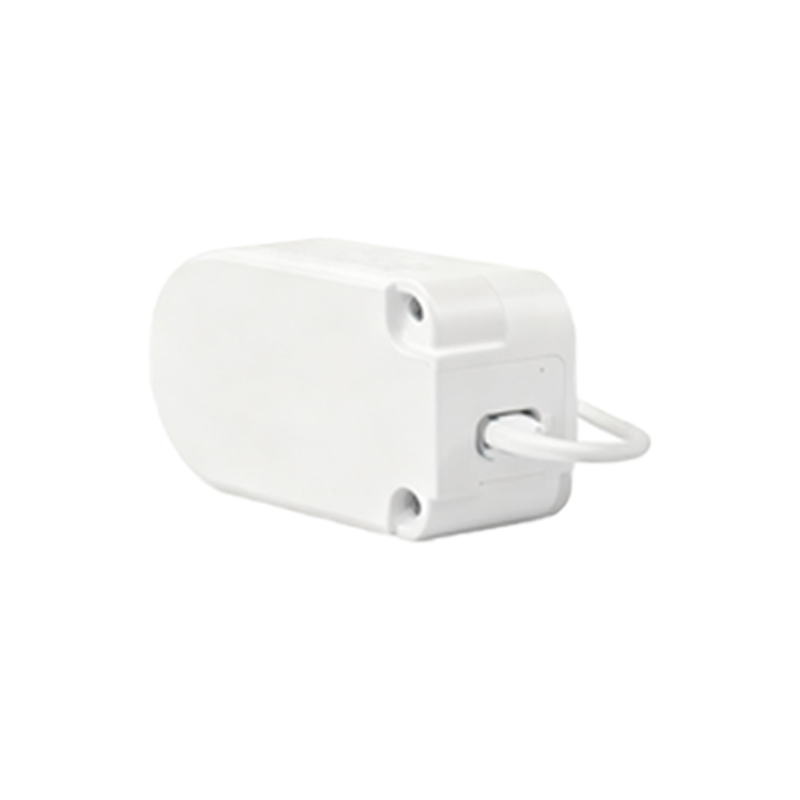
The adoption of proximity sensors varies regionally, influenced by industrial focus and technological infrastructure. In Europe and North America, stringent safety regulations and advanced manufacturing push the use of high-precision sensors in automotive and aerospace industries. Germany, for instance, is a hub for inductive sensor innovation due to its strong automotive sector. Japan leads in compact, high-reliability sensors for electronics and robotics. Meanwhile, growing industrialization in Asia-Pacific regions, particularly China and South Korea, fuels demand for cost-effective sensors in consumer electronics production and basic automation.
Emerging trends include the development of IO-Link enabled smart sensors that facilitate digital communication and parameter configuration, enhancing Industry 4.0 integration. Furthermore, the rise of the Internet of Things (IoT) propels the need for energy-efficient, wireless proximity sensors for smart infrastructure and asset tracking. Environmental considerations are also pushing manufacturers to develop sensors with lower power consumption and longer lifespans.
Selecting the appropriate proximity sensor requires careful analysis of factors such as target material, sensing distance, environmental conditions (temperature, contaminants), output type (digital or analog), and required response speed. International standards from organizations like IEC and ISO ensure quality and interoperability, which is crucial for global supply chains.
In conclusion, proximity sensors are foundational to automation and smart systems globally. Continuous innovation in sensing technology, coupled with expanding applications in electric vehicles, renewable energy, and smart cities, indicates a sustained growth trajectory for this critical component in the worldwide industrial and technological ecosystem.