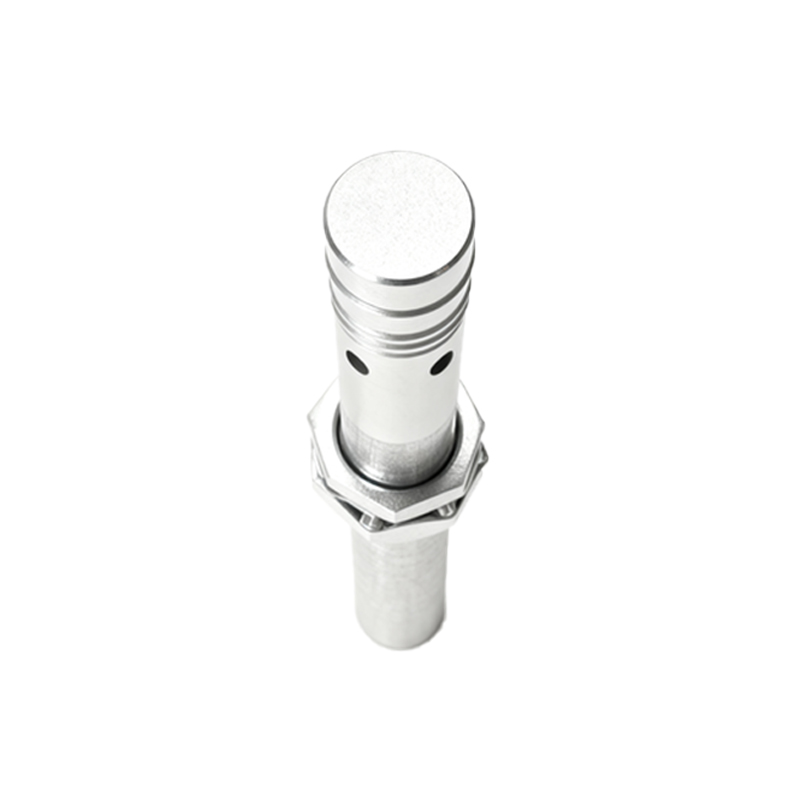
Capacitive proximity sensors are a cornerstone of modern non-contact detection systems. Unlike their inductive counterparts, which detect only metals, capacitive sensors can detect a wide range of materials, including liquids, plastics, wood, and even human skin. At the heart of this versatile technology lies a critical component: the sensor electrode. The design, material, and configuration of this electrode fundamentally determine the sensor's performance, sensitivity, and application suitability.
The core operating principle is based on changes in capacitance. A capacitive sensor creates an electrostatic field emanating from its active electrode. When a target object enters this field, it alters the dielectric properties of the space between the electrode and ground, causing a measurable change in capacitance. The sensor's electronics detect this change and trigger an output signal. The electrode is the primary interface that generates and shapes this electrostatic field. Its geometry directly influences the field's shape, strength, and reach, defining the sensor's effective sensing range and detection pattern.
Electrode design is a careful balance of multiple factors. The surface area is paramount; a larger electrode typically generates a stronger field and a longer nominal sensing range. However, size is often constrained by the physical housing of the sensor. Therefore, the shape becomes a key tool for tuning performance. Common shapes include flat circular discs, rectangular pads, and even custom-formed designs to fit specific contours. A flat, circular electrode produces a relatively symmetrical field ideal for frontal detection, while a long, narrow electrode might be used for level sensing in a tank.
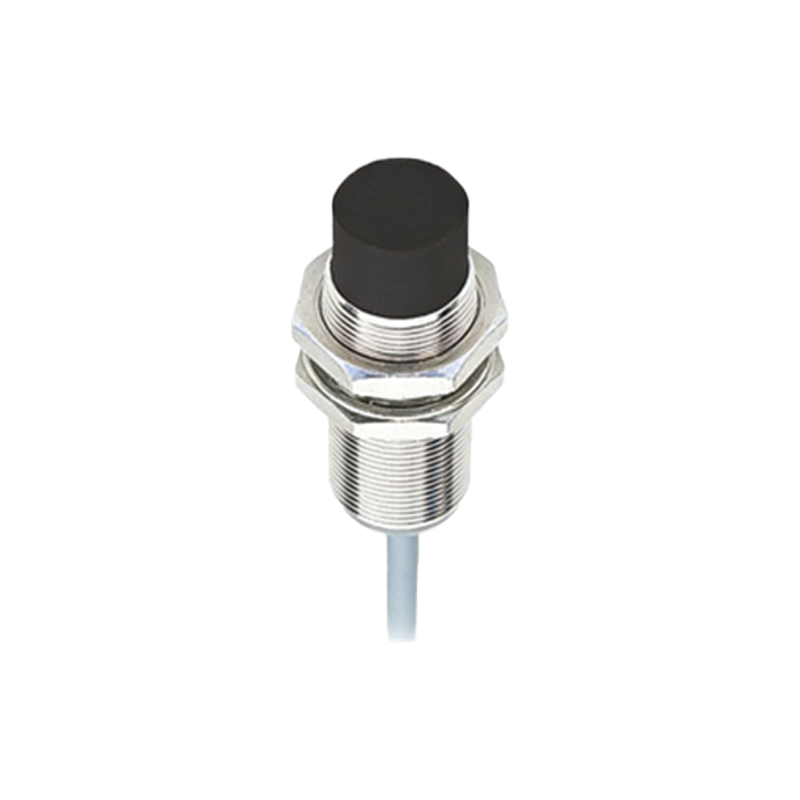
The material and construction of the electrode are equally crucial. The electrode must be an effective electrical conductor. Most industrial sensors use metals like brass, stainless steel, or copper, often plated with nickel or other coatings for corrosion resistance. The electrode is typically insulated with a dielectric material such as PTFE (Teflon), ceramic, or epoxy. This insulation protects the electrode from physical damage and environmental factors like moisture, while also preventing direct electrical contact with the target. The thickness and dielectric constant of this insulating layer significantly affect sensitivity; a thinner layer generally increases sensitivity but may reduce durability.
Beyond the single active electrode, many capacitive sensors incorporate a guard or shield electrode. This is a concentric ring or surrounding element held at the same electrical potential as the active electrode. Its purpose is to shape the electrostatic field, focusing it forward and minimizing side and rear sensitivity. This "field focusing" is essential for preventing false triggers from the sensor's mounting bracket, adjacent machinery, or background materials. It allows for flush mounting in metal, a common requirement in industrial settings, without the sensor constantly detecting its own enclosure.
The application dictates the optimal electrode configuration. For simple object detection, a standard shielded electrode is often sufficient. For level detection of liquids or granular solids, long rod or cable-style electrodes are used to provide a continuous sensing profile along a vessel's height. In touch-sensitive interfaces, the electrode might be a transparent layer of indium tin oxide (ITO) deposited on glass. For detecting very small objects or achieving high precision, multi-electrode or array configurations can be employed to create a more defined and localized sensing field.
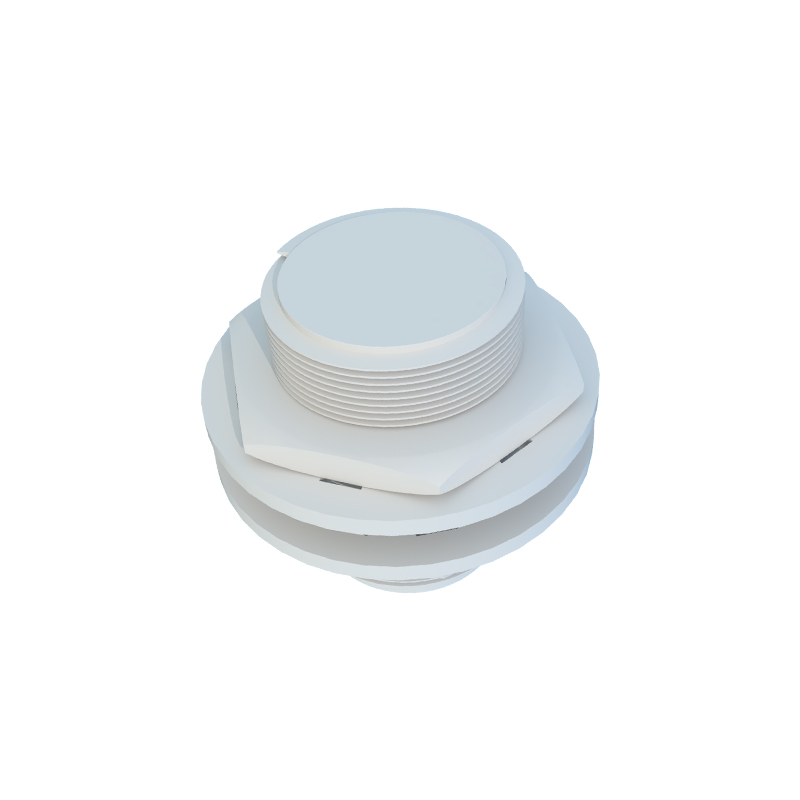
Engineers must also consider environmental influences. Humidity, temperature fluctuations, and the presence of dust or condensation can affect the dielectric constant of the air and the insulating surface, leading to drift in the sensor's baseline capacitance. Good electrode design, combined with proper sensor circuitry that can compensate for these slow changes, is vital for stable operation. Contamination buildup on the electrode surface (like grease or product residue) acts as an additional dielectric layer, potentially reducing sensitivity or causing a permanent detection state. Selecting a smooth, non-porous insulating material facilitates cleaning.
In summary, the electrode of a capacitive proximity sensor is far more than a simple metal plate. It is a precisely engineered component whose geometry, material, and shielding define the sensor's capability. From robust industrial switches detecting plastic bottles on a conveyor to sensitive touch controls on a consumer device, the performance begins with the electrode. Understanding its role and design considerations is key to selecting, implementing, and troubleshooting capacitive sensing solutions effectively across countless industries, including packaging, automotive, food and beverage, and consumer electronics.