In the intricate world of industrial automation and smart device design, space is a premium commodity. As machinery becomes more sophisticated and consumer electronics shrink, the demand for components that deliver high performance without occupying valuable real estate has skyrocketed. Enter the ultra-short body proximity sensor—a technological marvel engineered to provide reliable non-contact detection in the tightest of spaces. This compact powerhouse is redefining design possibilities across numerous sectors.
Unlike their standard counterparts, ultra-short body sensors are characterized by an exceptionally reduced housing length. This minimalist design is not merely an aesthetic choice; it is a critical engineering solution for applications where mounting depth is severely limited. Imagine the internal mechanisms of a robotic gripper, the assembly head of a pick-and-place machine, or the interior of a compact semiconductor wafer handler. In these environments, every millimeter counts. The installation of a traditional sensor might be impossible or would force a compromise in the mechanical design. The ultra-short variant solves this by fitting seamlessly into the ecosystem without demanding design overhauls.
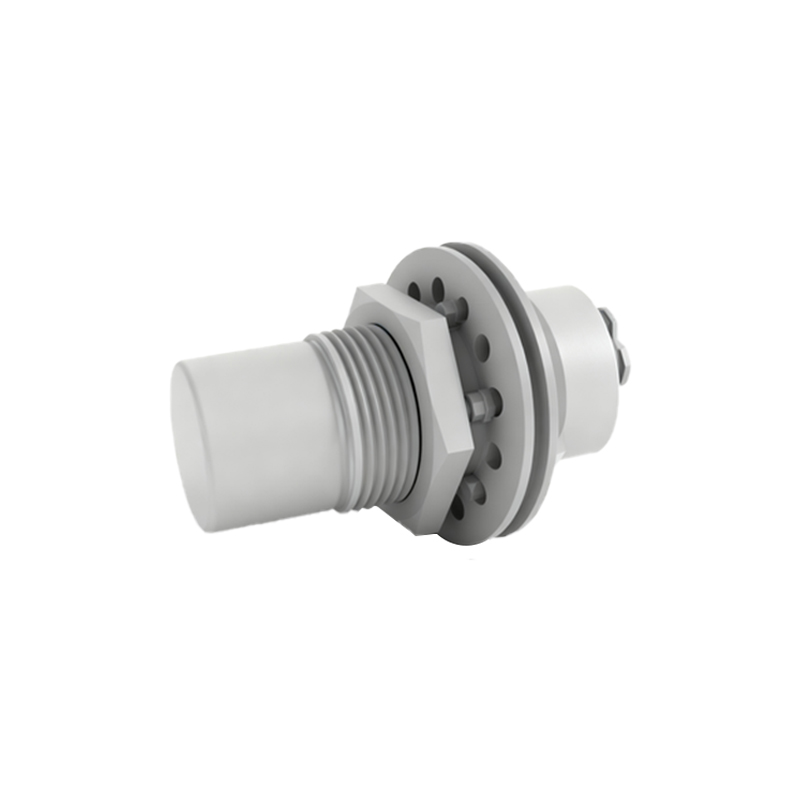
The operational principle remains rooted in robust sensing technologies, primarily inductive and capacitive methods. Inductive ultra-short sensors generate an electromagnetic field to detect the presence of metallic objects, making them indispensable in metalworking, automotive assembly, and packaging machinery. Their capacitive siblings, capable of sensing both metallic and non-metallic materials like liquids, plastics, or glass, find critical roles in fill-level detection, material handling, and consumer electronics. Despite their reduced size, these sensors do not sacrifice core performance metrics. Advanced electronic miniaturization allows them to maintain impressive sensing ranges relative to their body size, stable switching frequencies, and resilience against environmental interference like electrical noise or minor contaminants.
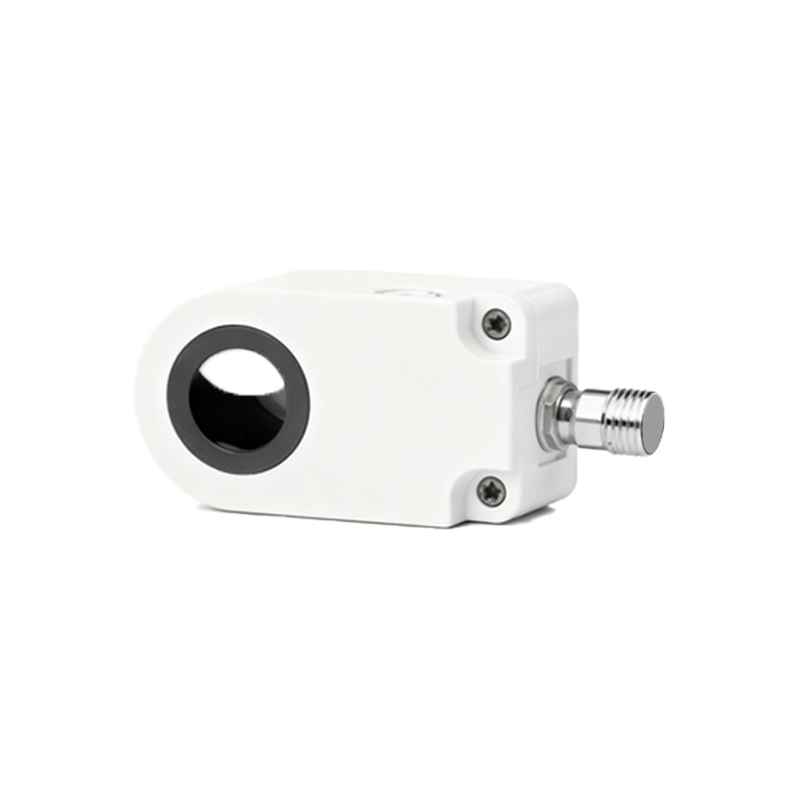
The benefits of adopting these sensors are multifaceted. The most obvious is spatial efficiency. Engineers gain unprecedented flexibility in machine layout, enabling more compact, dense, and ultimately more capable equipment. This directly contributes to the miniaturization trend in manufacturing and product design. Furthermore, their streamlined form factor often simplifies installation. With less sensor protruding into a machine cavity, the risk of accidental impact or damage during operation or maintenance is significantly reduced, enhancing overall system durability. In high-speed automation lines, the fast response time of these sensors ensures precise timing for detection and triggering, which is vital for maintaining cycle times and product quality.
Real-world applications are vast and growing. In the electronics industry, they are deployed on printed circuit board (PCB) assembly lines to verify the presence of tiny components before soldering. Automotive manufacturers integrate them into fuel injection systems and transmission assemblies where space is at an absolute premium. The burgeoning field of collaborative robots (cobots) relies heavily on these sensors for safe, close-quarter interaction with humans and delicate parts handling. Beyond heavy industry, they are inside modern printers for paper jam detection, in medical devices for precise fluid control, and even in smart home appliances, enabling new interactive features without bulking up the device profile.
Selecting the right ultra-short body sensor requires careful consideration. Key parameters include the required sensing distance (sn), the target material, the electrical output type (e.g., NPN or PNP), and the supply voltage. Environmental conditions are crucial; one must check the sensor's Ingress Protection (IP) rating for dust and water resistance, especially in harsh workshops. The housing material, typically nickel-plated brass or stainless steel, must be chosen for its durability and suitability for the operating environment. Consulting with technical specialists is often advisable to match the sensor's specifications precisely with the application's demands.
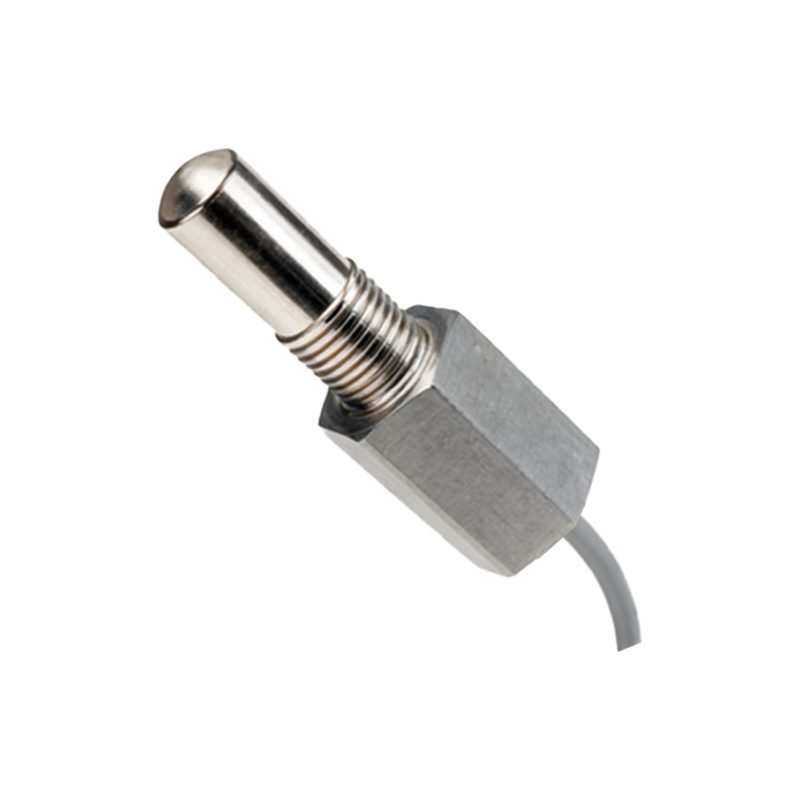
Looking ahead, the evolution of ultra-short body proximity sensors is intertwined with the Internet of Things (IoT) and Industry 4.0. Future iterations will likely feature integrated IO-Link communication, enabling not just binary detection but also the transmission of parametric data like sensor health, temperature, and signal strength for predictive maintenance. This intelligence transforms a simple switch into a smart node in a connected factory network. As materials science and chip design advance, we can anticipate even smaller sensors with enhanced capabilities, pushing the boundaries of what can be automated and how compactly it can be done.
In conclusion, the ultra-short body proximity sensor is far more than a miniaturized component. It is a critical enabler of innovation, allowing designers and engineers to overcome spatial constraints without compromising on detection reliability. By delivering full-featured sensing performance in a fraction of the space, it continues to be a key driver in the advancement of smarter, more efficient, and more compact automated systems and electronic products worldwide.