In the rapidly evolving landscape of industrial automation and smart electronics, proximity sensors have become indispensable components. Among the global leaders in this field, Korean brands have carved out a significant and respected niche, renowned for their blend of technological innovation, precision engineering, and robust reliability. These sensors, which detect the presence or absence of objects without physical contact, are critical in applications ranging from automotive manufacturing and robotics to consumer devices and home appliances.
The rise of Korean proximity sensor manufacturers is deeply intertwined with the country's broader industrial success in semiconductors, consumer electronics, and automotive sectors. Companies have leveraged this ecosystem to develop sensors that meet the exacting demands of modern production lines and high-tech products. A key strength lies in their commitment to research and development. Korean firms invest heavily in advancing sensing technologies, including inductive, capacitive, ultrasonic, and photoelectric types. This results in products that offer high sensitivity, exceptional accuracy, and the ability to function in challenging environments with dust, moisture, or electromagnetic interference.
Durability and longevity are hallmarks of these components. Designed for the rigorous 24/7 operation of industrial settings, Korean proximity sensors are built to withstand vibration, temperature extremes, and repeated use. This reliability translates directly into reduced downtime and maintenance costs for end-users, a critical factor for manufacturing efficiency. Furthermore, the miniaturization trend is strongly evident. Korean engineers excel at creating compact, low-power sensors without compromising performance, enabling their integration into increasingly sleek and portable consumer electronics like smartphones, tablets, and wearable devices, where they manage functions like screen blanking during calls or detecting flip covers.
Another distinguishing feature is the seamless integration of smart capabilities. Many Korean-branded proximity sensors now come with integrated digital interfaces and IoT-ready connectivity. This allows for real-time data monitoring, predictive maintenance alerts, and easy incorporation into larger automated systems and Industry 4.0 frameworks. The focus is not just on detecting an object's presence but on providing valuable data that enhances overall system intelligence and operational decision-making.

The application spectrum is vast. In the automotive industry, these sensors are pivotal in assembly robotics, safety systems, and vehicle occupancy detection. In consumer electronics, they enhance user experience and power efficiency. In home appliances, they enable touchless controls and smart functionalities. Korean manufacturers often work closely with client industries to develop customized solutions, ensuring their sensors perfectly match specific application challenges, whether it's detecting transparent materials on a packaging line or ensuring precise positioning in semiconductor fabrication.
Quality control is paramount. Adhering to strict international standards, Korean production facilities implement rigorous testing protocols throughout the manufacturing process. This ensures consistent performance and high product yield, building trust with global OEMs and system integrators who require components that perform flawlessly in their own high-quality products.
Looking ahead, Korean brands are actively pioneering next-generation sensing solutions. Research is ongoing in areas like multi-functional sensors that combine proximity sensing with environmental monitoring, and the development of even more energy-efficient models for battery-dependent IoT devices. The drive is towards creating sensors that are not only more accurate and robust but also more context-aware and intelligent.
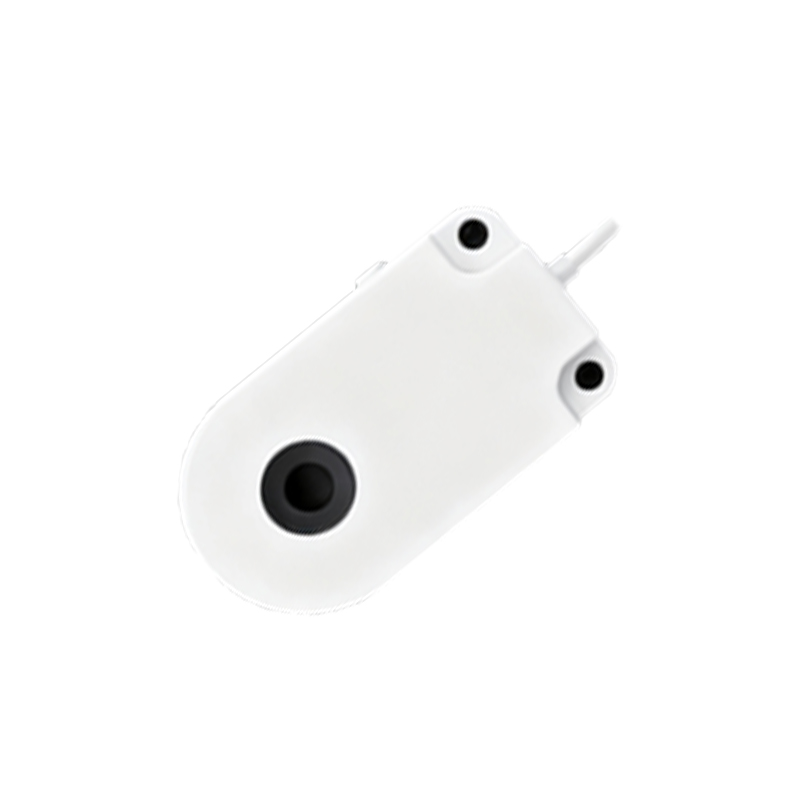
In conclusion, Korean brand proximity sensors represent a synergy of advanced technology, meticulous manufacturing, and practical application focus. They are more than just simple switches; they are sophisticated components that enable automation, enhance safety, and improve user interaction across countless industries. For engineers and procurement specialists worldwide, specifying a Korean proximity sensor often means choosing a component defined by its innovation, unwavering reliability, and the capability to meet the sophisticated demands of today's and tomorrow's technological applications.