Magnetic proximity sensors are essential components in modern industrial automation, automotive systems, and consumer electronics. Their primary function is to detect the presence or absence of a magnetic object without physical contact, offering reliability and longevity. When considering the integration of these sensors into a project or production line, understanding the cost structure is crucial for effective budgeting and procurement. The price of a magnetic proximity sensor is not a single fixed number but a variable influenced by a complex interplay of technical specifications, application requirements, and market dynamics.
The core technology and sensing range are primary cost drivers. Basic, short-range sensors using simple reed switch technology are generally the most economical, suitable for non-critical applications like door/window alarms in security systems. In contrast, sensors employing Hall-effect or magnetoresistive technologies, which offer higher precision, faster response times, and the ability to detect weaker magnetic fields, command a higher price. The required sensing distance also impacts cost; a sensor specified to detect a magnet from 15mm away will typically be more complex and expensive than one with a 5mm range. For harsh environments, sensors with extended ranges or specialized shielding add to the unit cost.
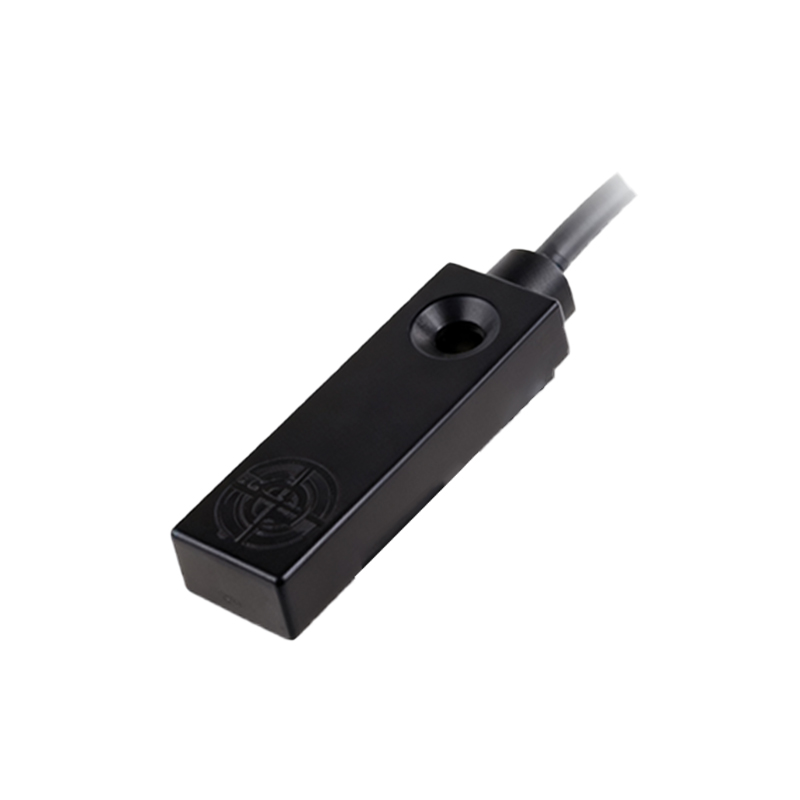
Build quality and environmental ratings significantly influence pricing. A sensor housed in a standard plastic or mild steel body for clean, indoor use is a budget-friendly option. However, industrial settings demand robust construction. Sensors with stainless steel housings, rated IP67 (dust-tight and protected against temporary immersion) or IP69K (protected against high-pressure, high-temperature water jets), are necessary for washdown areas in food processing or outdoor machinery. These enhanced durability features increase manufacturing costs. Similarly, sensors designed to operate reliably in extreme temperature ranges (-40°C to +85°C or beyond) or high-vibration environments incorporate more resilient materials and engineering, reflecting in a higher price point.
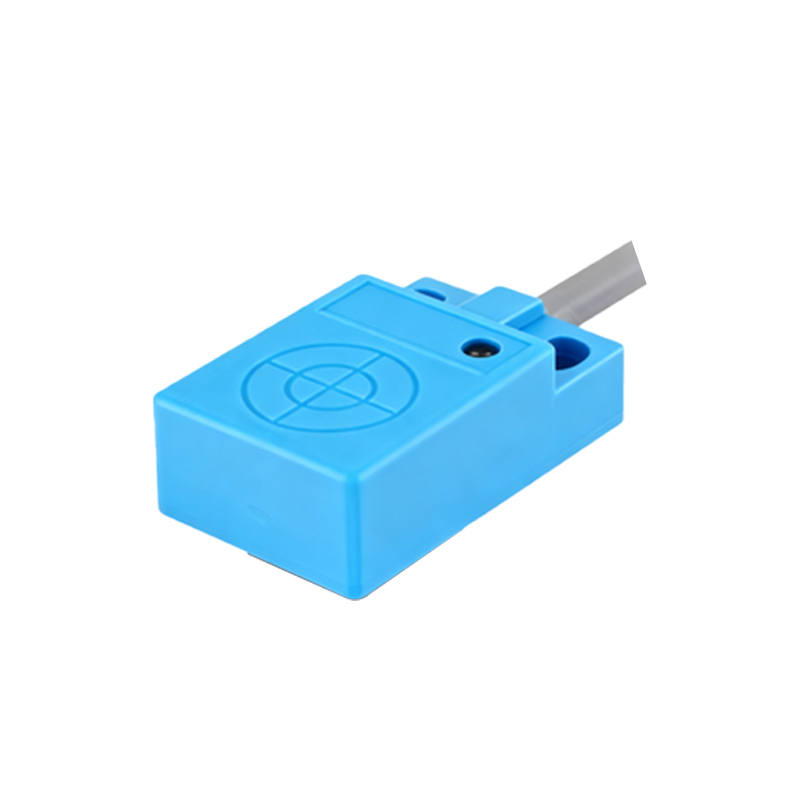
Electrical output and connection type are further cost considerations. Sensors with basic two-wire AC/DC or three-wire DC (NPN or PNO) outputs are common and relatively low-cost. More sophisticated options, such as analog output (4-20mA or 0-10V) or digital communication interfaces (IO-Link), provide additional data like signal strength or diagnostic information. These "smart sensors" offer greater integration capabilities with PLCs and control systems but come at a premium. The physical connection—simple flying leads, pre-wired M8 or M12 quick-disconnect connectors—also adds to the total cost, with ruggedized, sealed connectors increasing the price.
Brand reputation, certification, and supply chain factors play a substantial role in the final price. Established brands with a long history in industrial automation often charge more, justified by proven reliability, extensive technical support, global availability, and comprehensive warranties. These sensors often carry critical certifications (e.g., UL, CE, ATEX for hazardous areas) which involve costly testing and compliance processes. Conversely, generic or off-brand sensors may offer lower upfront costs but can pose risks regarding consistency, longevity, and supplier stability. Lead times and minimum order quantities (MOQs) also affect pricing; standard models from stock are cheaper, while custom-engineered sensors with specific dimensions, outputs, or cabling require development and have higher MOQs, elevating the per-unit cost.
When budgeting, it is vital to look beyond the initial purchase price. Total Cost of Ownership (TCO) includes installation labor, maintenance, potential downtime from sensor failure, and replacement costs. A slightly more expensive, high-quality sensor from a reliable supplier can offer far better long-term value by ensuring uninterrupted operation and safety. For volume procurement in manufacturing, engaging directly with manufacturers or authorized distributors for quotations based on annual usage forecasts can secure significant discounts compared to one-off retail prices.
In summary, the cost of a magnetic proximity sensor can range from a few dollars for a simple reed switch module to over a hundred dollars for a high-performance, ruggedized, smart sensor with specialized certifications. A careful analysis of the application's technical needs, environmental conditions, and long-term operational goals is the most effective way to determine the appropriate sensor and its associated cost, ensuring a balance between performance, durability, and budget.