In the fast-paced world of material handling and logistics, precision, speed, and safety are non-negotiable. At the heart of many automated and semi-automated systems lies a critical, yet often overlooked component: the pallet proximity sensor. These devices are fundamental to the seamless operation of warehouses, distribution centers, and manufacturing plants, acting as the eyes of automated guided vehicles (AGVs), forklifts, conveyor systems, and robotic palletizers.
A pallet proximity sensor is a non-contact electronic device designed to detect the presence or absence of a pallet within a specific range. Unlike mechanical limit switches that require physical contact, these sensors use various technologies to sense an object, thereby eliminating wear and tear and enabling faster, more reliable detection. The primary function is straightforward—to confirm a pallet is correctly positioned for the next operation, whether that's lifting, stacking, wrapping, or routing.
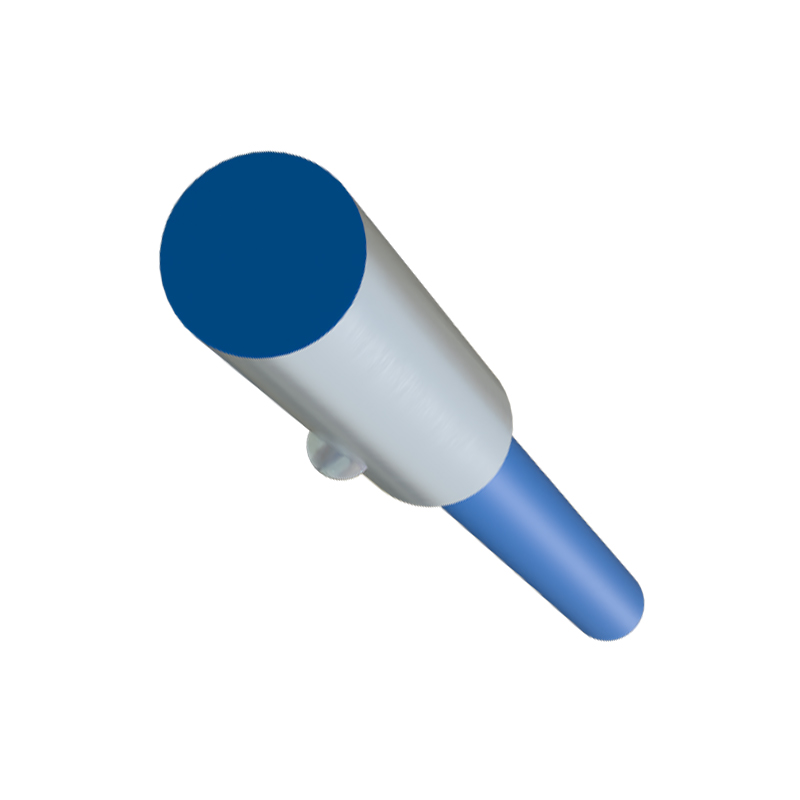
Several sensing technologies are employed, each with distinct advantages. Inductive sensors are commonly used for detecting metal pallets or pallets with metal components. They generate an electromagnetic field and react when a metallic object enters that field. For non-metallic pallets, typically wooden or plastic, capacitive sensors are the go-to choice. These sensors can detect any material by measuring changes in capacitance. Ultrasonic sensors use sound waves to measure the distance to an object, making them effective for detecting pallets regardless of material and in environments with dust or light interference. Photoelectric sensors, which use a light beam, are excellent for long-range detection and can identify pallets based on light reflection or beam interruption.
The integration of these sensors into material handling systems yields profound benefits. The most significant is operational efficiency. By providing real-time, accurate feedback on pallet location, these sensors enable uninterrupted flow. AGVs can dock precisely for loading and unloading. Conveyor systems can automatically sort and divert pallets without manual intervention. Robotic arms can locate and grip pallets with pinpoint accuracy, optimizing cycle times and throughput.
Safety is dramatically enhanced. Proximity sensors prevent collisions between machinery and pallets or infrastructure. They ensure that a lifting operation only commences when a pallet is perfectly aligned, preventing load spills—a major safety hazard. In automated storage and retrieval systems (AS/RS), sensors guarantee that a pallet is fully present on a rack before the system moves, protecting both the inventory and the equipment.
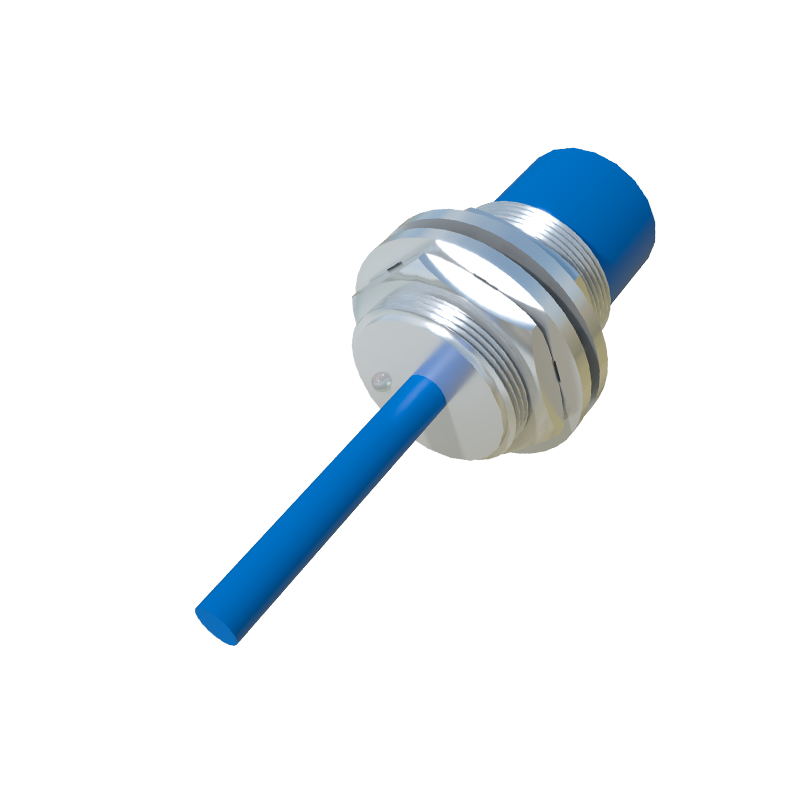
Furthermore, these sensors contribute to predictive maintenance and system intelligence. By monitoring sensor data, operators can identify patterns, such as frequent misalignments at a specific station, indicating a potential mechanical issue. This data-driven approach minimizes unplanned downtime and extends the lifespan of handling equipment.
Selecting the right pallet proximity sensor requires careful consideration. The material of the pallet (wood, plastic, metal) dictates the sensor technology. The required sensing range and the environmental conditions—such as exposure to moisture, extreme temperatures, vibration, or airborne contaminants—are critical factors. For instance, an ultrasonic sensor is more suitable for a dusty warehouse than a photoelectric one. The output type (e.g., digital NPN/PNP) must be compatible with the system's programmable logic controller (PLC).
Installation and calibration are paramount for optimal performance. Sensors must be mounted securely to avoid misalignment from vibration. The sensing distance needs precise calibration to avoid false positives (detecting a non-target object) or false negatives (missing a pallet). Regular cleaning of the sensor face, especially for optical and ultrasonic types, is a simple but essential maintenance task.
Looking ahead, the evolution of pallet proximity sensors is intertwined with Industry 4.0. Modern sensors are becoming smarter, equipped with IO-Link communication capabilities. This allows for not just binary detection but also the transmission of detailed parameter data and condition monitoring feedback to higher-level control systems. This facilitates remote configuration, advanced diagnostics, and seamless integration into the Industrial Internet of Things (IIoT) ecosystem, paving the way for fully autonomous, self-optimizing warehouses.
In conclusion, pallet proximity sensors are indispensable enablers of modern logistics. They provide the critical data points that transform brute mechanical force into intelligent, efficient, and safe material handling. From ensuring a forklift picks up a load correctly to guiding a pallet through a complex automated network, these robust and reliable devices work silently in the background, driving productivity and protecting both people and assets. Their continued advancement will be a cornerstone in building the resilient and agile supply chains of the future.