In today's rapidly evolving technological landscape, the ability to detect the presence, absence, or position of an object without physical contact is fundamental. Proximity sensors serve as the silent workhorses enabling this functionality across countless industries. Selecting the right type is not a one-size-fits-all decision; it requires a careful evaluation of the operating environment, target material, required sensing range, and performance specifications. This guide outlines the primary proximity sensor options, their working principles, and typical applications to inform a strategic selection process.
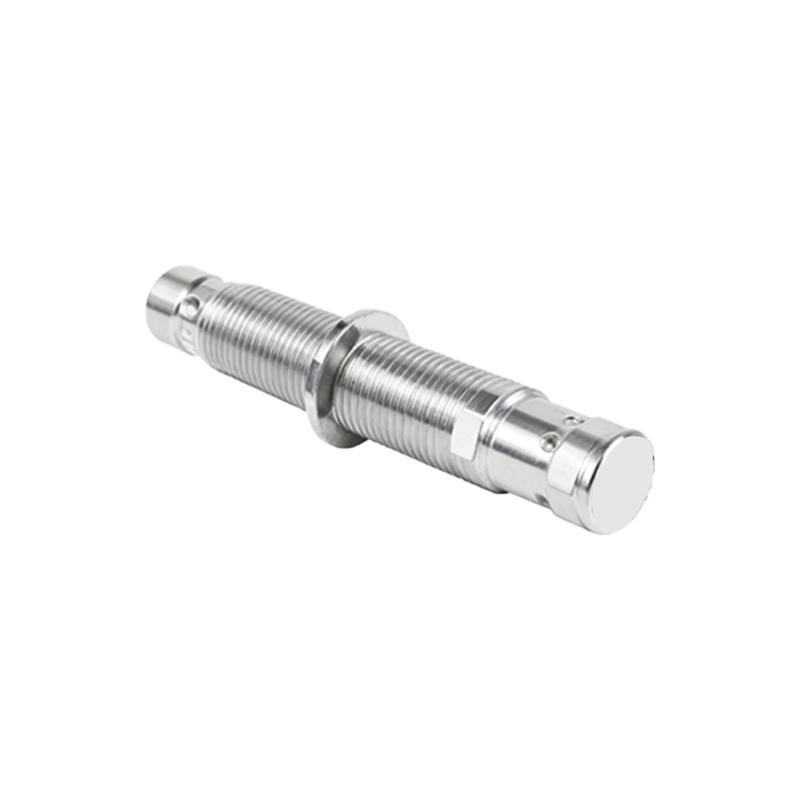
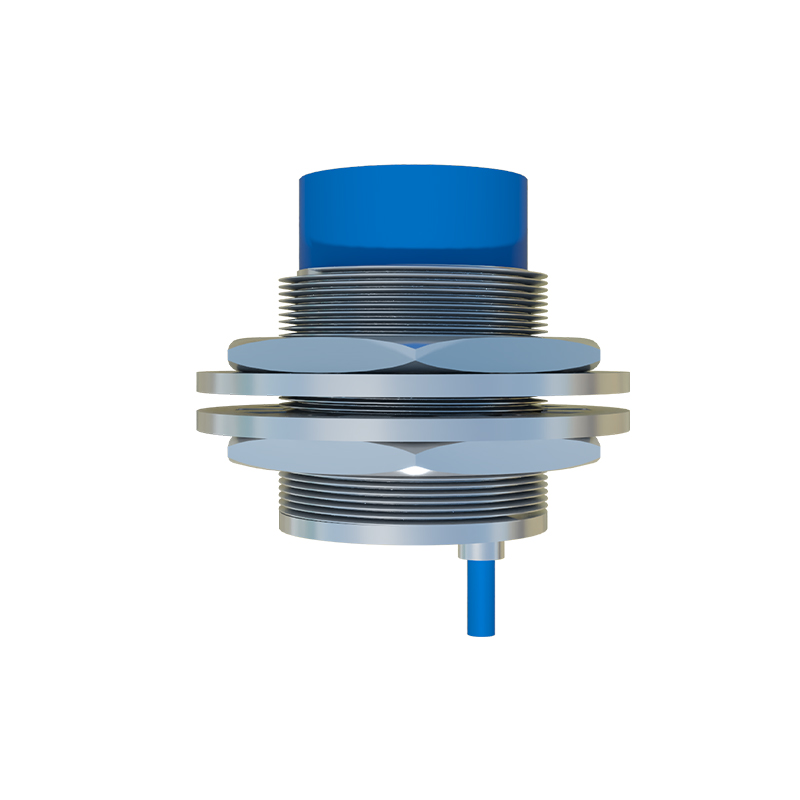
Inductive proximity sensors are among the most common types. They generate an electromagnetic field and detect the eddy current losses caused when a metallic target enters this field. These sensors are exceptionally robust, resistant to dust, dirt, and moisture, and are ideal for harsh industrial environments. They excel in detecting ferrous metals like steel and iron, with some models capable of sensing non-ferrous metals like aluminum, copper, or brass, albeit at a reduced range. Typical applications include position sensing of machine parts, limit switching, and metal detection in automated assembly lines. Their key limitations are that they only detect metals and have a relatively short sensing distance, usually up to 60 mm.
For detecting non-metallic objects, capacitive proximity sensors are the go-to solution. They function by generating an electrostatic field and sensing the change in capacitance when any material with a dielectric constant different from air enters the field. This makes them versatile for detecting liquids, plastics, glass, wood, and granular materials. They are often used in level detection for tanks (liquids or powders), material handling for non-metallic parts, and touch-sensitive interfaces. However, they can be susceptible to false triggers from environmental factors like humidity or condensation and require careful tuning to ignore non-target materials.
Ultrasonic sensors operate on a sonar principle. They emit high-frequency sound waves and measure the time it takes for the echo to return from a target object. This technology allows for the detection of virtually any material, regardless of color, transparency, or surface texture, at much longer ranges than inductive or capacitive sensors—often several meters. They are excellent for distance measurement, level sensing in challenging conditions (e.g., foamy liquids), and object detection where other sensors struggle. Drawbacks include potential interference from acoustic noise, temperature variations affecting sound speed, and a relatively slower response time compared to other types.
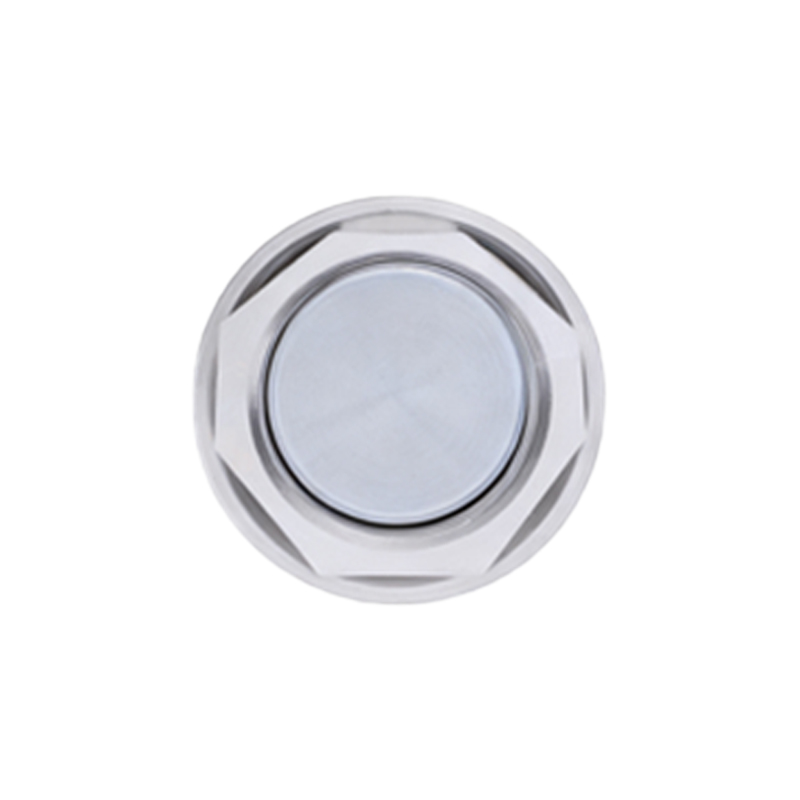
Photoelectric sensors, or photoeyes, use a beam of light (visible, infrared, or laser) to detect objects. They come in several configurations: through-beam (separate emitter and receiver), retro-reflective (bounces light off a reflector), and diffuse (reflects light off the target itself). These sensors offer very long sensing ranges, especially through-beam models, and can detect extremely small objects. They are perfect for packaging lines, conveyor belt systems, and automated door controls. Their performance can be compromised by environmental contaminants like dust or fog, and highly reflective or transparent targets may pose detection challenges, requiring specific sensor models.
When choosing a proximity sensor, engineers must consider several critical parameters beyond just the type. The sensing distance, often listed as the "nominal" range, must account for real-world factors and include a safety margin. The switching frequency defines how quickly the sensor can detect objects in rapid succession. Environmental factors are paramount: Will the sensor face extreme temperatures, washdown conditions, or corrosive chemicals? The housing material (e.g., stainless steel, PBT plastic) and ingress protection (IP) rating provide this durability. Finally, the electrical output (PNP vs. NPN, NO vs. NC) must be compatible with the control system, such as a PLC.
In conclusion, the optimal proximity sensor is defined by its application. Inductive sensors reign supreme for robust metal detection. Capacitive sensors unlock detection of diverse non-metals. Ultrasonic sensors provide versatile, long-range capability for complex materials. Photoelectric sensors deliver precision and speed for clear-path detection. A thorough analysis of the target material, environmental conditions, required performance, and installation constraints will lead to the most reliable and cost-effective solution, ensuring seamless integration and long-term operational efficiency.