In today's rapidly evolving technological landscape, the integration of smart sensing systems has become paramount for creating safer and more efficient environments. Among these innovations, human proximity dual sensors stand out as a critical component, merging two distinct sensing technologies to achieve superior accuracy and reliability. This article delves into the workings, applications, and benefits of these advanced systems, shedding light on their transformative impact across various sectors.
At its core, a human proximity dual sensor combines two complementary detection methods, typically passive infrared (PIR) and microwave or ultrasonic sensing. The PIR sensor detects heat signatures emitted by the human body, making it highly effective for identifying presence based on temperature differentials. However, PIR sensors can sometimes be limited by environmental factors such as ambient heat or obstructions. This is where the second sensor technology comes into play. Microwave sensors, for instance, emit continuous waves that reflect off objects, including humans, and analyze the Doppler shift to detect motion. Ultrasonic sensors operate on a similar principle using sound waves. By fusing data from both sensors, the system can cross-verify signals, drastically reducing false alarms triggered by pets, moving curtains, or HVAC drafts that might fool a single-sensor setup.
The synergy between these dual technologies enables precise human detection even in challenging conditions. For example, in a dimly lit warehouse, a PIR sensor might struggle if a person remains still, as it relies on motion-induced heat changes. A microwave sensor, however, can detect subtle movements like breathing or slight shifts in position. Conversely, in an area with high electromagnetic interference, the PIR component provides a stable fallback. This dual-validation process ensures that the system only activates when a genuine human presence is confirmed, enhancing both security and energy efficiency. In practical terms, this means lights, HVAC systems, or security alarms are triggered appropriately, avoiding wasteful or disruptive false activations.
Applications of human proximity dual sensors are vast and growing. In commercial and residential buildings, they are integral to smart lighting and climate control systems, automatically adjusting based on occupancy to cut energy costs by up to 30-50%. In healthcare settings, such sensors monitor patient movement in rooms or corridors, alerting staff to falls or unusual activity without compromising privacy, as they don't rely on cameras. Industrial facilities use them for safety interlocks on machinery, ensuring equipment shuts down when workers approach hazardous zones, thereby preventing accidents. Retail spaces leverage these sensors for customer analytics, tracking foot traffic patterns to optimize store layouts and enhance shopping experiences. Even in public infrastructure, like elevators or restrooms, they contribute to hygiene and convenience by enabling touchless operation.
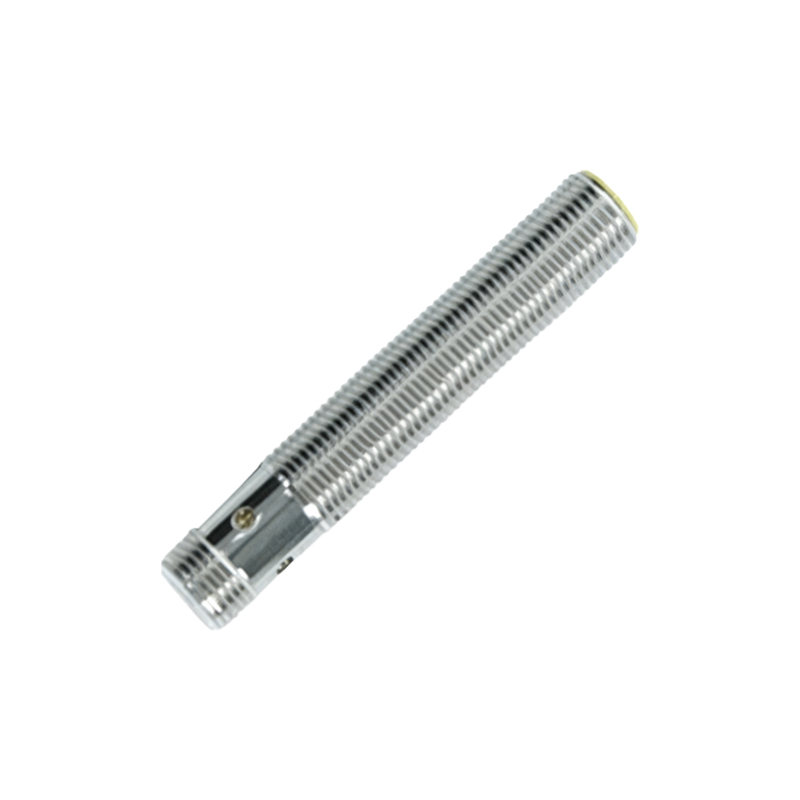
The benefits extend beyond mere functionality. By minimizing false positives, dual sensors reduce maintenance needs and increase user trust in automated systems. Their adaptability allows for customization; sensitivity thresholds can be fine-tuned for specific environments, such as pet-friendly homes or high-security offices. Moreover, with the rise of the Internet of Things (IoT), these sensors seamlessly integrate into broader networks, feeding data to central management platforms for real-time monitoring and analytics. This connectivity supports predictive maintenance and data-driven decision-making, fostering smarter, responsive environments.
Despite their advantages, implementing human proximity dual sensors requires careful consideration. Factors like installation height, sensor range, and environmental interferences (e.g., metal surfaces or high noise areas) must be accounted for to maximize performance. Regular calibration and updates are also essential to maintain accuracy over time. However, as sensor technology advances, costs are decreasing, making these systems more accessible for small businesses and homeowners alike.
In conclusion, human proximity dual sensors represent a significant leap forward in detection technology. By harnessing the strengths of multiple sensing modalities, they deliver unparalleled reliability in identifying human presence, driving advancements in safety, efficiency, and automation. As society continues to embrace smart solutions, these sensors will undoubtedly play a pivotal role in shaping the interactive spaces of the future, from homes and offices to cities and beyond.