In the realm of automation and smart technology, proximity sensors are the silent, unseen guardians. These devices detect the presence or absence of an object within a specific range without any physical contact. Their ability to provide reliable, non-contact sensing makes them indispensable in countless industrial, commercial, and consumer applications, from assembly lines and robotics to smartphones and automotive systems.
At its core, a proximity sensor works by emitting a field or beam of electromagnetic radiation, such as infrared light, an ultrasonic wave, or an electromagnetic field. It then looks for changes or signals in the return field. The specific method of detection defines the primary types of proximity sensors, each suited to different materials, environments, and precision requirements.
Inductive Proximity Sensors are among the most common in industrial settings. They generate an oscillating electromagnetic field. When a metallic object enters this field, it induces eddy currents within the object, which causes a change in the oscillation amplitude. The sensor's circuit detects this change and triggers a switch. These sensors are robust, reliable for detecting metals, and unaffected by dust, oil, or other non-metallic substances. They are ideal for counting metal parts, determining position in machinery, or as safety switches.
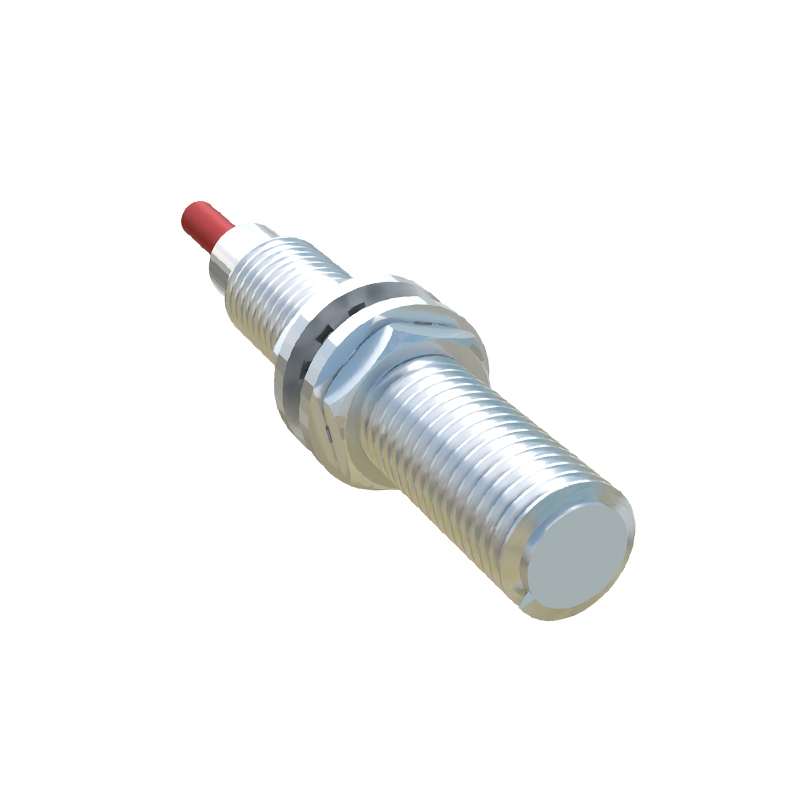
Capacitive Proximity Sensors can detect both metallic and non-metallic objects, including liquids, powders, plastics, and wood. They function by generating an electrostatic field. Any object that enters this field alters the capacitance of the sensor's circuit. This change is measured, and an output signal is generated. This makes them perfect for applications like liquid level detection in tanks, material handling for non-metals, or touch-sensitive interfaces.
Photoelectric Sensors use light, typically infrared or laser, to detect objects. They consist of an emitter (light source) and a receiver. There are three main configurations: through-beam (where the object breaks a beam between separate emitter and receiver units), retro-reflective (the object breaks a beam reflected back to the receiver from a reflector), and diffuse (the sensor detects light reflected directly off the object itself). Photoelectric sensors offer long detection ranges and high speed, excelling in packaging, object counting, and conveyor belt systems.
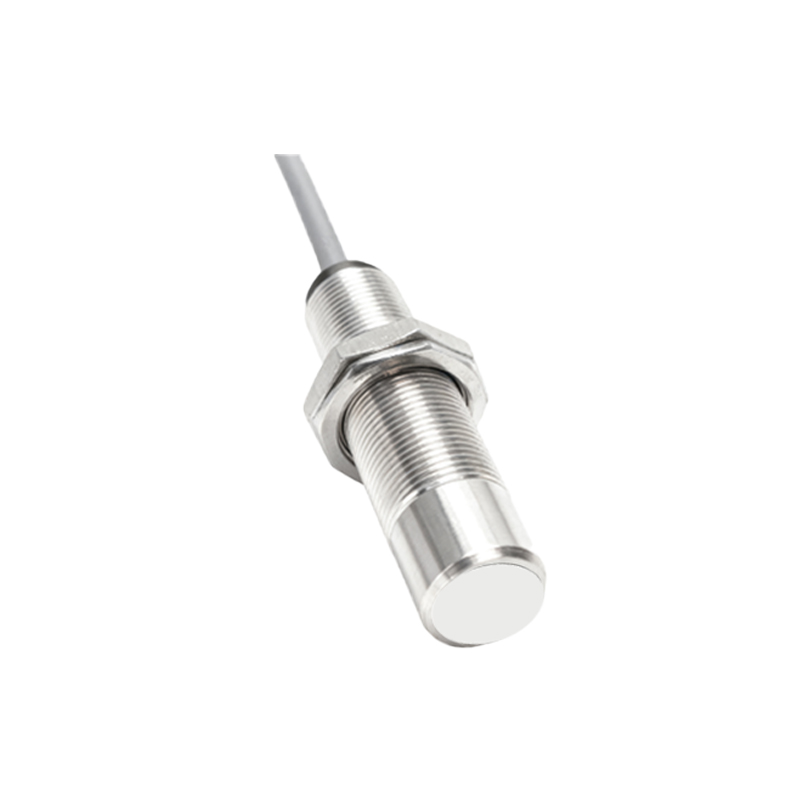
Ultrasonic Proximity Sensors measure distance by emitting high-frequency sound waves and calculating the time it takes for the echo to return. They are excellent for detecting objects of virtually any material, shape, or color, and are unaffected by dust, smoke, or light conditions. Common uses include distance measurement, level sensing for bulk materials, and obstacle detection in automated guided vehicles (AGVs).
The selection of the right proximity sensor hinges on several critical factors. The target material is paramount; inductive for metals, capacitive for a broader range. The required sensing distance varies greatly, from a few millimeters for inductive sensors to several meters for some photoelectric or ultrasonic types. The operating environment—exposure to chemicals, temperature extremes, or washdowns—dictates the needed housing and protection (IP rating). Finally, the output type, such as a simple digital on/off signal or an analog signal proportional to distance, must match the control system's requirements.
The applications are vast and growing. In manufacturing, they enable precise positioning, robotic guidance, and automated quality control. In consumer electronics, they deactivate smartphone touchscreens during calls to save power and prevent accidental touches. Modern vehicles use them for parking assistance, blind-spot monitoring, and automatic door systems. In the burgeoning field of the Internet of Things (IoT), proximity sensors provide critical data for smart infrastructure, inventory management, and security systems.
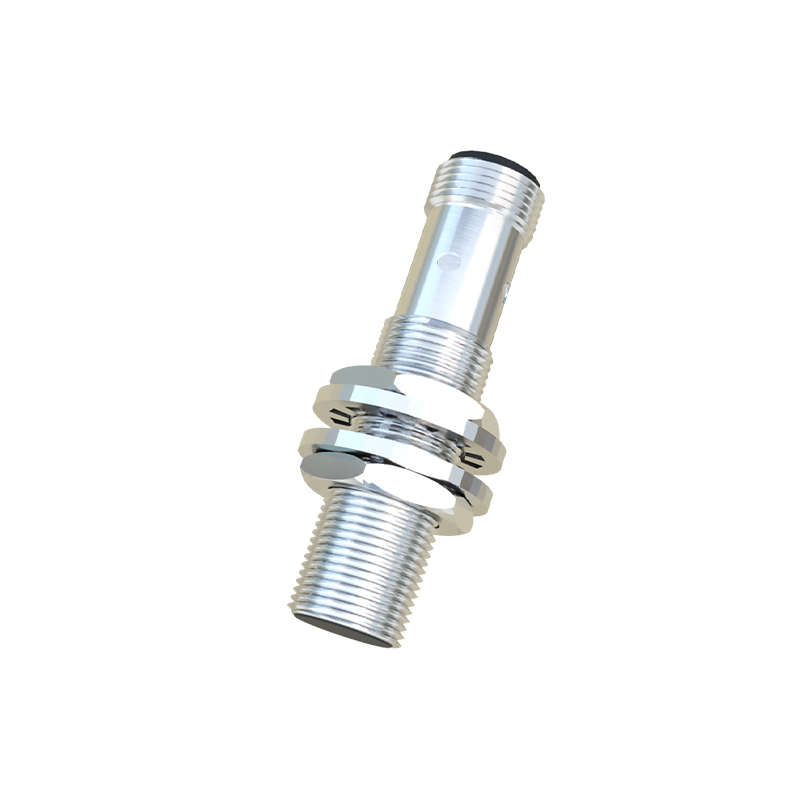
Looking ahead, the evolution of proximity sensors points toward greater miniaturization, enhanced intelligence with integrated diagnostics, and improved resistance to environmental interference. The integration of sensor fusion, where data from proximity sensors is combined with inputs from cameras or inertial measurement units (IMUs), will enable even more sophisticated context-aware systems for robotics and autonomous machines.
In conclusion, proximity sensors are a foundational technology of modern automation. Their diverse operating principles allow engineers to solve a wide array of detection challenges reliably and efficiently. By understanding the strengths and limitations of inductive, capacitive, photoelectric, and ultrasonic types, designers can integrate these powerful components to create safer, smarter, and more efficient systems across every sector of industry and daily life.