In the realm of industrial automation, precision is paramount. Every component in a production line must perform its function with unwavering accuracy to ensure efficiency, quality, and safety. Among the unsung heroes enabling this high-precision environment are specialized devices known as fixture proximity sensors. These are not your standard off-the-shelf sensors; they are engineered specifically for integration into jigs, fixtures, and dedicated workholding systems to provide critical non-contact detection and positioning feedback.
A fixture proximity sensor is fundamentally designed to detect the presence, absence, or precise position of a workpiece or tool component within a custom fixture without physical contact. This non-contact operation eliminates mechanical wear, reduces maintenance, and allows for extremely high-speed detection cycles. While they share the basic operating principles of standard inductive, capacitive, or photoelectric sensors, their design philosophy is entirely different. The primary focus shifts from general-purpose detection to seamless, reliable, and space-optimized integration into a constrained mechanical assembly.
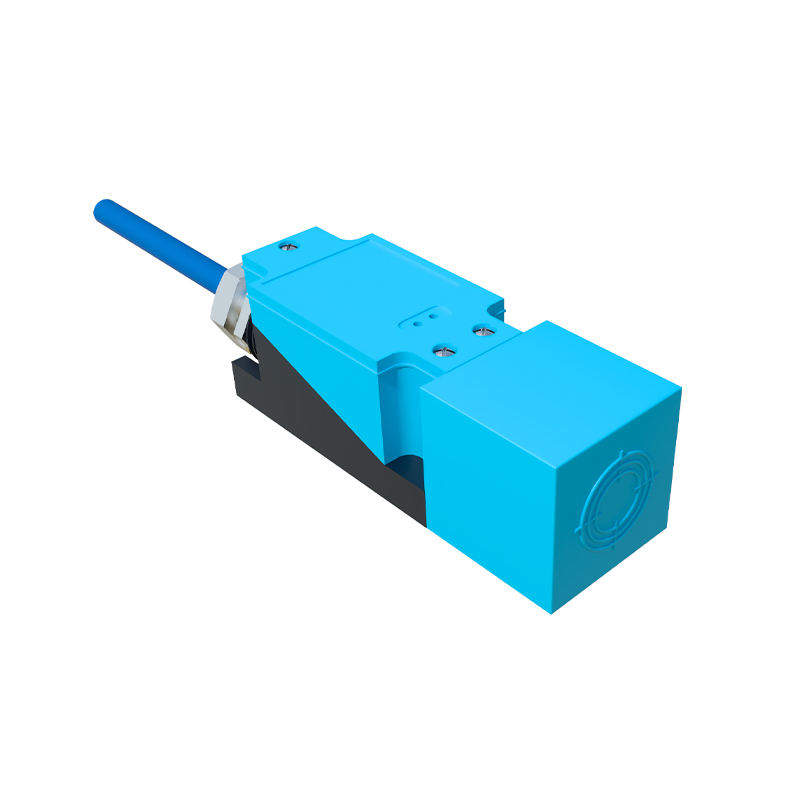
The core advantage of these dedicated sensors lies in their form factor and mounting configurations. Manufacturers often produce them in ultra-compact, low-profile, or cylindrical shapes with specialized mounting threads, flanges, or custom housings. This allows them to be embedded directly into fixture blocks, mounted within tight bores, or positioned flush with locating pins and clamps. The goal is to make the sensor an intrinsic, unobtrusive part of the fixture itself, preserving the fixture's structural integrity and functional geometry while adding a layer of intelligent sensing.
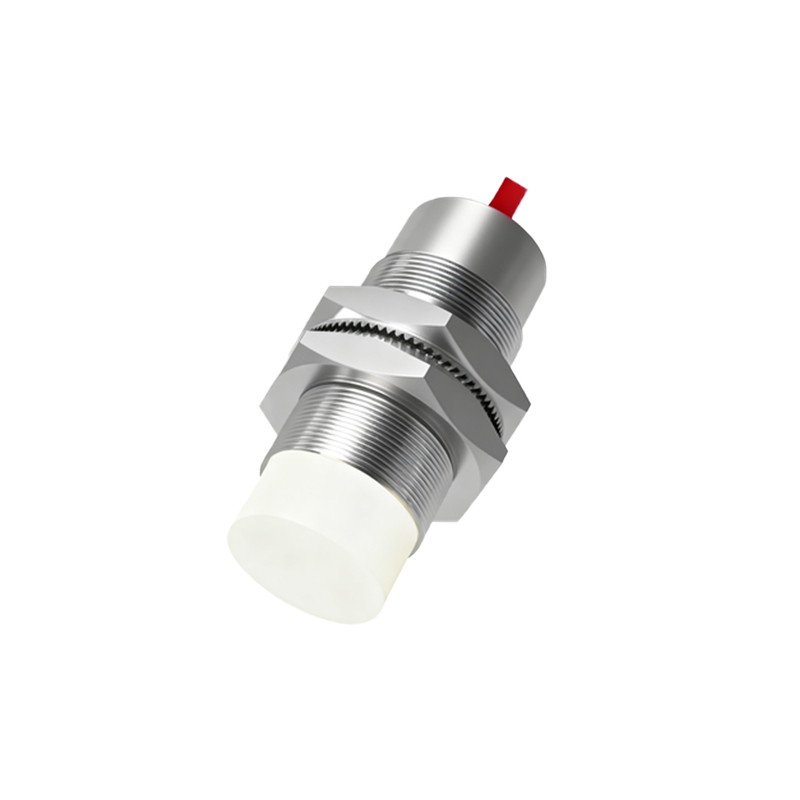
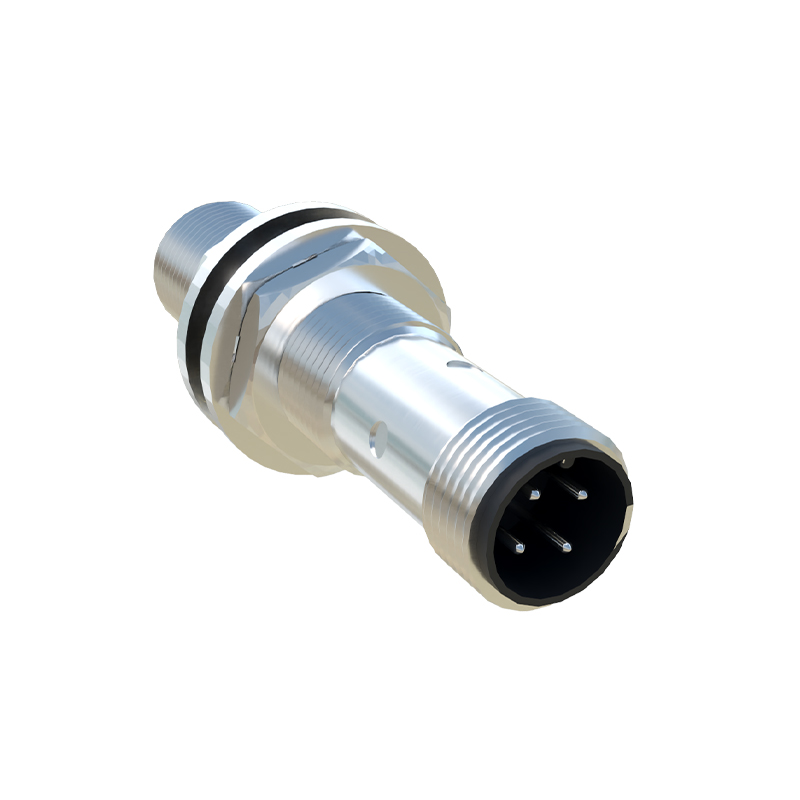
Electrical and connection design is another critical differentiator. Fixture-specific sensors frequently feature M8 or M12 micro-connectors, pigtail cables with high-flex insulation, or even integrated cabling designed to route neatly through fixture channels. This attention to connectivity prevents cable snagging, simplifies maintenance, and enhances reliability in environments with constant vibration, coolant splash, or metal chip contamination. Many models are built to superior ingress protection (IP) ratings, such as IP67 or IP69K, to withstand harsh in-situ washing and demanding shop-floor conditions.
The application spectrum for these sensors is vast and central to modern manufacturing. A quintessential use case is in machining centers and turning cells. Here, a sensor embedded in a vise or pallet fixture verifies that a raw casting or billet is correctly loaded and seated before the machining cycle begins. This "part-in-place" verification is crucial for preventing catastrophic tool crashes. Similarly, in automated assembly fixtures, sensors confirm the presence of specific components like seals, bearings, or clips before the assembly process proceeds, ensuring product completeness and quality.
In coordinate measuring machine (CMM) fixtures and vision inspection stations, precision is even more critical. Proximity sensors here might verify that a part is correctly located on kinematic mounts or datum points before initiating a high-precision scan, guaranteeing measurement accuracy. Furthermore, in welding and fabrication jigs, sensors monitor the position of parts to be welded, often interfacing directly with the robot controller to confirm alignment and trigger the weld sequence.
Selecting the right fixture proximity sensor requires careful consideration. Engineers must evaluate the sensing distance needed within the fixture's spatial constraints, the material of the target (ferrous metal, aluminum, plastic), and the required output type (PNP/NPN, analog, or IO-Link for smart diagnostics). Environmental factors like temperature extremes, exposure to cutting fluids, or welding spatter are paramount. The choice between inductive (for metals) and capacitive (for non-metals or liquid detection) technologies is fundamental.
The integration of smart sensor technology, particularly IO-Link, is transforming fixture design. An IO-Link enabled fixture proximity sensor does more than just provide a simple on/off signal. It can communicate detailed status information—such as operating temperature, signal strength, and remaining operational life—directly to the central control system. This enables predictive maintenance, where a fixture can signal the need for sensor service before a failure causes downtime, moving from reactive troubleshooting to proactive process management.
Ultimately, fixture dedicated proximity sensors represent a critical convergence of mechanical design and sensing intelligence. They transform passive workholding devices into active, communicative components of the automated system. By guaranteeing the correct physical state of a workpiece at the very point of operation, they form the first and most fundamental layer of process validation. Their specialized design ensures reliability where standard sensors would fail, directly contributing to reduced cycle times, elimination of defects, and the creation of more resilient, data-driven manufacturing systems. Their value is measured not just in their individual function, but in the seamless, uninterrupted production flow they enable.