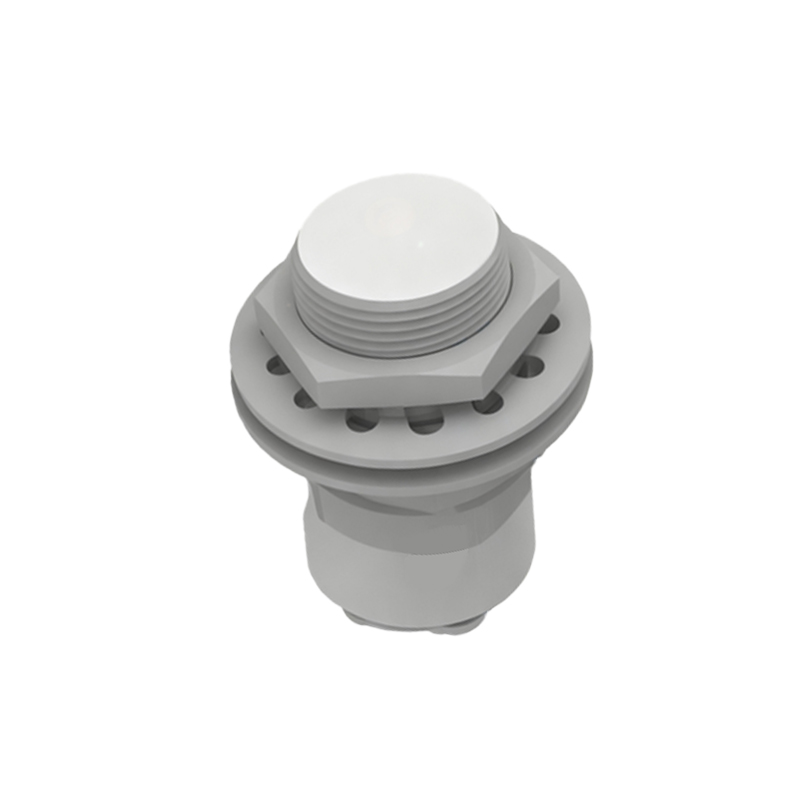
In the realm of industrial automation and precision engineering, the reliability of a sensing system often hinges on components that are rarely in the spotlight. Among these unsung heroes are proximity sensor steel shims. These thin, precisely manufactured metal discs or plates play a critical role in ensuring the accuracy, repeatability, and longevity of inductive proximity sensors, which are ubiquitous in manufacturing, packaging, robotics, and automotive assembly lines.
At its core, an inductive proximity sensor detects the presence of metallic objects without physical contact. It generates an electromagnetic field, and when a metal target enters this field, it causes a change in the oscillation amplitude, which the sensor detects. The sensing distance, or "switching point," is a key specification determined for a standard target, typically a square of mild steel (Fe 360) defined by ISO standards. However, real-world applications are rarely ideal. The target material might be aluminum, copper, brass, or stainless steel, all of which have different electromagnetic properties affecting the sensor's effective range. Furthermore, the target size or shape might not meet the standard, or it may need to be sensed at a non-standard distance. This is where steel shims become indispensable.
The primary function of a proximity sensor steel shim is to act as a consistent and reliable sensing target. By attaching a shim of specific thickness and material grade to a non-metallic object or an unsuitable metal, engineers can effectively "trick" the sensor into detecting it as if it were the standard target. This ensures a stable and predictable switching point. For instance, a plastic bottle on a conveyor belt cannot be detected by an inductive sensor. However, a small steel shim attached to the bottle carrier allows for precise position verification. Similarly, when sensing non-ferrous metals like aluminum, which typically reduces the sensing distance by up to 60%, a steel shim provides a much stronger and consistent signal, restoring the sensor's nominal range and reliability.
Beyond material compensation, steel shims are crucial for fine-tuning sensing distances. Sometimes, a machine design requires a sensor to trigger at a distance slightly less than its nominal range. Instead of replacing the sensor with a different model, a technician can simply adjust the gap using calibrated shims of known thickness. This allows for micro-adjustments to optimize machine timing and synchronization without the cost and downtime of hardware changes. The shims serve as precise spacers or gap-setting tools, enabling perfect alignment between the sensor face and the target.
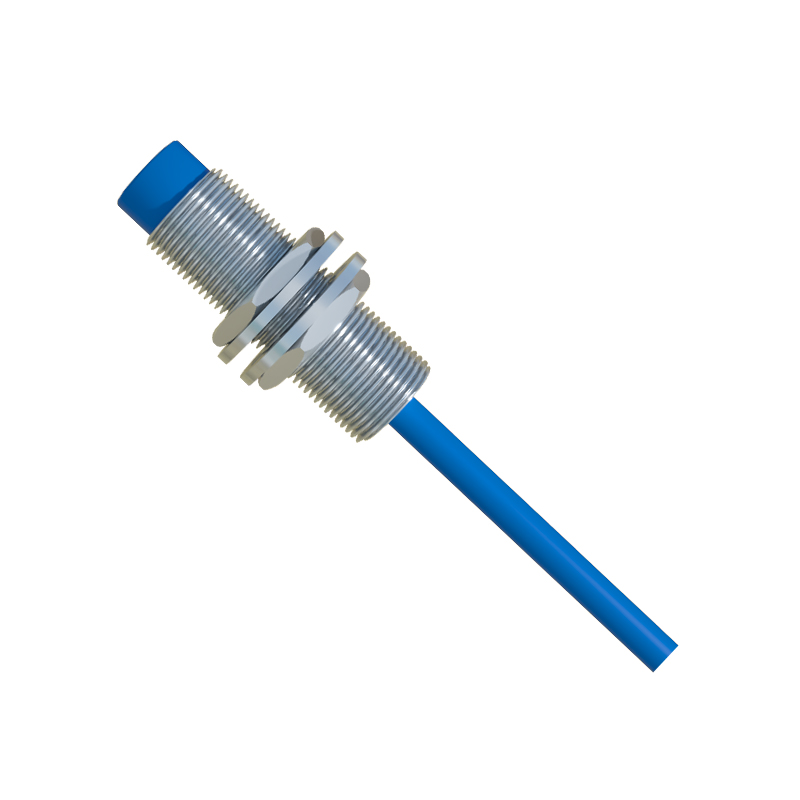
The quality of the shim is paramount. They are typically made from cold-rolled low-carbon steel, often with a zinc or nickel plating to resist corrosion in harsh environments like washdown areas in food processing. The thickness must be held to tight tolerances, as even a variation of a few hundredths of a millimeter can affect the sensing distance in high-precision applications. The surface finish is also important; a smooth, flat surface ensures consistent performance and prevents false triggers caused by surface irregularities.
Selecting the right shim involves considering several factors. Thickness is the most obvious, but diameter or surface area is equally critical. The shim must be at least as large as the sensor's active face to ensure full detection. For barrel-style sensors, round shims are common, while rectangular or square shims are used for block-style sensors. The mounting method—whether adhesive backing, welding, or mechanical fastening—must be chosen based on the application's environmental stresses, such as vibration, temperature, and exposure to chemicals.
In practice, the use of steel shims extends sensor life and reduces maintenance. By providing an ideal target, they minimize the sensor's need to operate at its extreme sensitivity limits, reducing internal stress and heat generation. They also protect the sensor face from direct abrasion or impact from the actual target object. For OEMs and system integrators, keeping a kit of assorted steel shims is as standard as having a set of tools, allowing for quick field adjustments and troubleshooting.
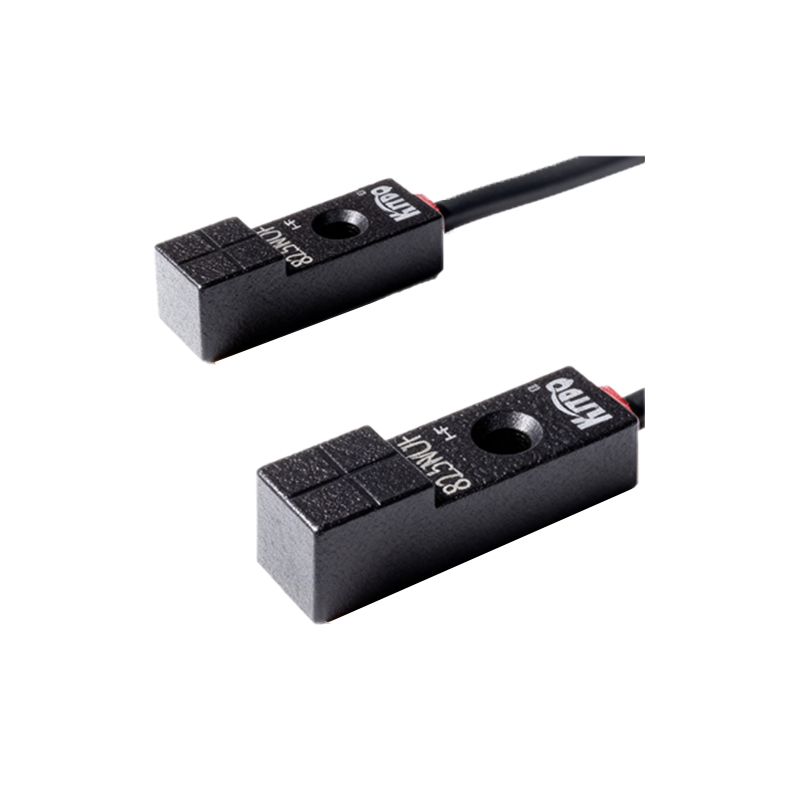
In conclusion, while proximity sensor steel shims may appear to be simple pieces of metal, their role in achieving precise, reliable, and adaptable automation is profound. They bridge the gap between theoretical sensor specifications and the messy realities of industrial application. By enabling consistent detection of non-standard materials, allowing for precise distance calibration, and protecting sensitive electronics, these small components deliver a significant return on investment through enhanced system uptime, reduced warranty claims, and greater process control. Their continued use underscores a fundamental principle in engineering: sometimes, the simplest solution is the most elegant and effective.