Proximity sensors, specifically the square type, have become indispensable components in modern industrial automation and machinery. Their non-contact detection capability offers reliability, longevity, and precision that mechanical switches cannot match. This guide delves into the specifics of square proximity sensors, exploring their operation, key features, applications, and selection criteria.
Understanding Square Proximity Sensors
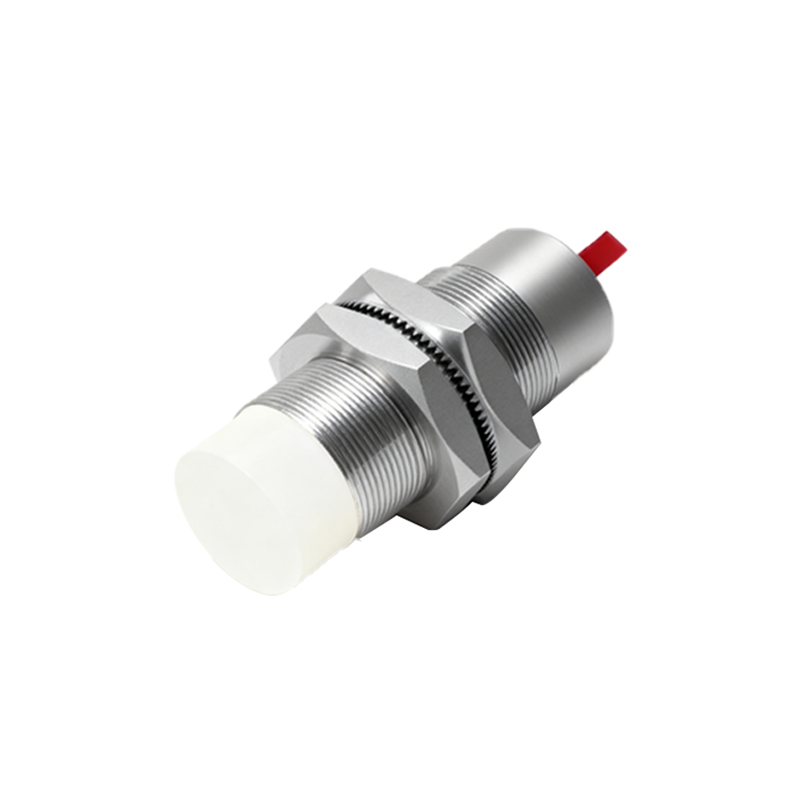
A square proximity sensor is an electronic device designed to detect the presence or absence of an object within its sensing range without physical contact. As the name implies, these sensors feature a square or rectangular housing, which differentiates them from cylindrical or barrel-style sensors. This form factor is often chosen for its ease of mounting, especially in applications where space is constrained in a specific orientation, or where a flat surface provides better stability.
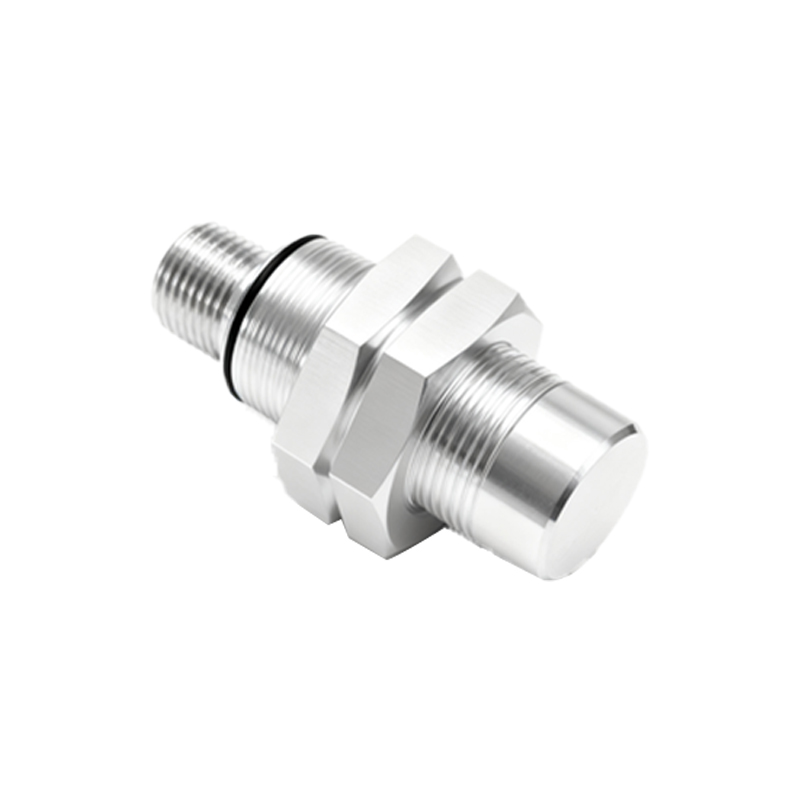
The core technology inside can vary, with inductive and capacitive being the most common for square housings. Inductive sensors are the workhorses of metal detection. They generate an electromagnetic field. When a metallic target enters this field, it causes a change in the field's oscillation, which the sensor's circuitry detects, triggering a solid-state output signal. Capacitive sensors, on the other hand, can detect both metallic and non-metallic materials (like plastic, wood, or liquids) by sensing changes in capacitance caused by the target object.
Key Advantages and Features
The square design offers several practical benefits. The flat surfaces allow for easy and secure mounting using standard brackets or direct screw fixation, often with embedded mounting holes. This shape can also provide a larger surface area for labeling, status LEDs, and adjustment potentiometers, making installation and troubleshooting more straightforward.
These sensors are renowned for their robustness. Housings are typically made from materials like nickel-plated brass, stainless steel, or high-grade plastics (PBT, PVC), offering excellent resistance to oils, coolants, and industrial chemicals. Many models boast high IP (Ingress Protection) ratings, such as IP67 or IP69K, making them suitable for harsh environments where dust, moisture, or high-pressure washdowns are common.
Performance characteristics are critical. Sensing range, while typically shorter than some cylindrical models (often from 1mm to 40mm for inductive types), is precisely defined. Repeat accuracy is exceptionally high, meaning the sensor consistently detects an object at the exact same point. They offer fast switching frequencies, capable of detecting thousands of objects per minute, which is vital for high-speed production lines. Outputs are usually solid-state (PNP or NPN) and can interface directly with programmable logic controllers (PLCs), counters, or other control systems.
Primary Application Areas
Square proximity sensors find utility across a vast spectrum of industries. In automotive manufacturing, they are used for part presence verification on assembly lines, robotic arm end-position detection, and tool positioning in machining centers. The packaging industry relies on them for counting bottles, detecting fill levels, and controlling gate operations on conveyor systems.
Material handling and logistics employ these sensors for pallet detection, stack height control, and position sensing on automated guided vehicles (AGVs). Their ruggedness makes them ideal for heavy machinery in sectors like woodworking, metal stamping, and plastics injection molding, where they monitor cylinder positions, detect broken tools, or ensure safety guards are in place.
Selecting the Right Sensor
Choosing the correct square proximity sensor requires careful consideration of several factors:
1. Target Material: Determine if you need to detect metal (inductive) or other materials (capacitive).
2. Sensing Distance: Select a sensor with a rated operating distance slightly greater than your required mounting gap to account for installation tolerances and wear.
3. Housing Material and Size: Match the housing material (e.g., stainless steel for corrosive areas) and physical dimensions to your mounting space and environmental conditions.
4. Output Type and Wiring: Ensure the electrical output (e.g., PNP normally open) and connection type (pre-wired cable or quick-disconnect) are compatible with your control system.
5. Environmental Specifications: Verify the IP rating, temperature range, and resistance to specific chemicals if needed.
Installation and Maintenance Tips
Proper installation is key to optimal performance. Always ensure the sensor is mounted securely to prevent vibration from affecting its operation. For inductive sensors, be mindful of the sensing face; it should be free from obstructions and maintain the recommended gap from surrounding metal (the "flush-mountable" feature of many square sensors helps here). Regular maintenance is minimal but should include periodic cleaning of the sensing face to remove dirt, grease, or metal shavings that could attenuate the sensing field, and checking electrical connections for integrity.
In conclusion, the square proximity sensor is a versatile, durable, and highly effective solution for object detection challenges. Its distinct form factor, combined with advanced sensing technology, provides engineers and technicians with