Proximity sensors are indispensable components in modern industrial automation, robotics, and countless smart devices. Their core function is to detect the presence or absence of an object within a specified range without any physical contact. This non-contact operation is the foundation of their reliability and longevity. Unlike mechanical limit switches, proximity sensors have no moving parts to wear out, leading to significantly reduced maintenance needs and a longer operational lifespan. This makes them ideal for harsh environments with dust, moisture, or constant vibration where physical contact would cause rapid failure.
One of the primary characteristics of these sensors is their sensing technology. The most common types are inductive, capacitive, and photoelectric. Inductive proximity sensors are workhorses in metal detection. They generate an electromagnetic field and react when a metallic object enters this field. Their sensing range is relatively short but highly precise for metallic targets. Capacitive sensors, on the other hand, can detect both metallic and non-metallic materials like plastic, wood, or liquids. They work by measuring changes in capacitance caused by the presence of any material that alters the electrostatic field around the sensor's face. Photoelectric sensors use a beam of light (visible, infrared, or laser) to detect objects. They offer the longest sensing ranges and can detect virtually any material that interrupts or reflects the light beam, providing great flexibility.
The output signal is another critical feature. Most industrial proximity sensors provide a digital on/off signal, often referred to as a discrete or switching output. This simple "object detected" or "object not detected" signal is perfect for counting, positioning, or limit applications. Common output types include NPN (sinking) and PNP (sourcing) transistor configurations, which define how the sensor interfaces with the controller's input circuit. Selecting the correct type is crucial for system compatibility. Some advanced models also offer analog outputs (e.g., 4-20 mA or 0-10V), where the output signal is proportional to the distance between the sensor and the target. This allows for precise distance measurement and is used in applications like monitoring roll diameters or controlling tension.
Environmental robustness is a defining trait. High-quality proximity sensors are built to withstand industrial challenges. They typically feature rugged housings made of materials like nickel-plated brass, stainless steel, or PBT plastic. Many carry high Ingress Protection (IP) ratings, such as IP67 or IP68, indicating resistance to dust and temporary or prolonged immersion in water. This durability ensures stable operation in washdown areas, outdoor settings, or machining centers with coolant spray. Furthermore, they are largely immune to environmental factors like ambient light (for inductive/capacitive types) or surface color (for diffuse reflective photoelectric types with background suppression), ensuring consistent performance.
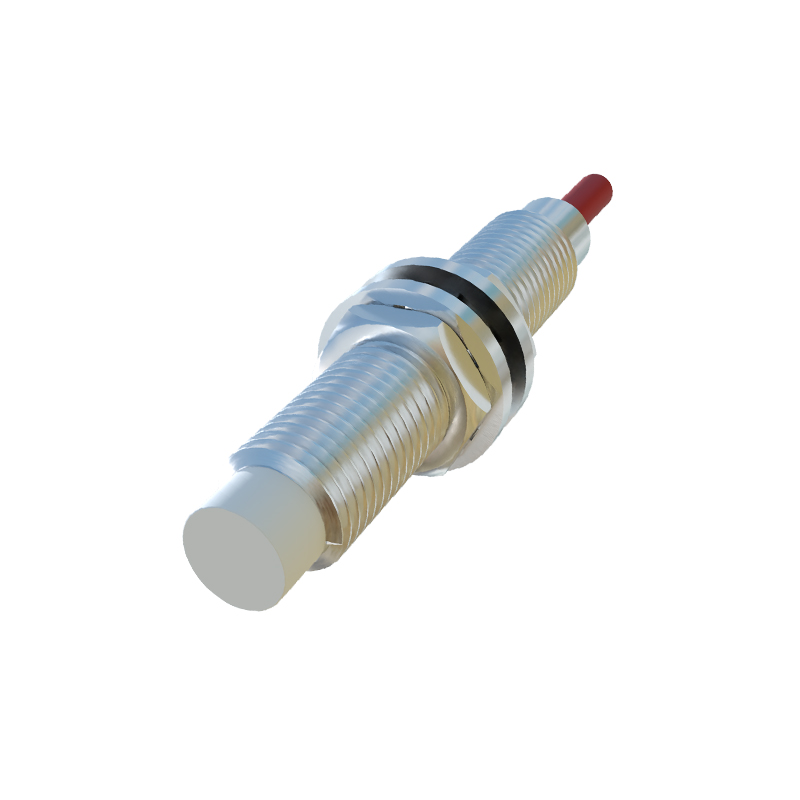
Finally, installation and configuration simplicity contribute to their widespread adoption. Many models are self-contained, two-wire or three-wire devices that are easy to wire into control systems. They often feature LED indicators that show power status and output activation, aiding in setup and troubleshooting. Their compact and standardized form factors, like cylindrical barrels in M8, M12, or M18 threaded sizes, allow for easy integration into machinery. This plug-and-play nature minimizes downtime during installation or replacement.
In summary, the key characteristics of proximity sensors—non-contact detection, technology-specific sensing (inductive, capacitive, photoelectric), reliable digital or analog output signals, exceptional environmental durability, and ease of use—make them fundamental to achieving efficiency, safety, and precision in automated systems. Their ability to provide reliable feedback in tough conditions is why they are a cornerstone of industrial control.