Proximity sensors are a fundamental component in modern automation and electronics, enabling devices to detect the presence or absence of an object within a specific range without physical contact. This non-contact detection capability is crucial for applications requiring precision, reliability, and durability. The operational principle varies significantly across different types, each suited to specific environmental conditions, target materials, and performance requirements. Understanding the distinct categories is essential for selecting the right sensor for any given task.
One of the most common and versatile types is the Inductive Proximity Sensor. These sensors generate an electromagnetic field and detect changes caused by metallic objects entering this field. They are predominantly used for detecting ferrous metals like iron and steel, though some models can detect non-ferrous metals like aluminum, copper, and brass at reduced sensing ranges. Their key advantages include high switching rates, robustness in harsh industrial environments (resistant to dust, dirt, and moisture), and long operational life due to the absence of moving parts. Typical applications include position sensing in machine tools, part counting on conveyor belts, and limit switching in automated systems.
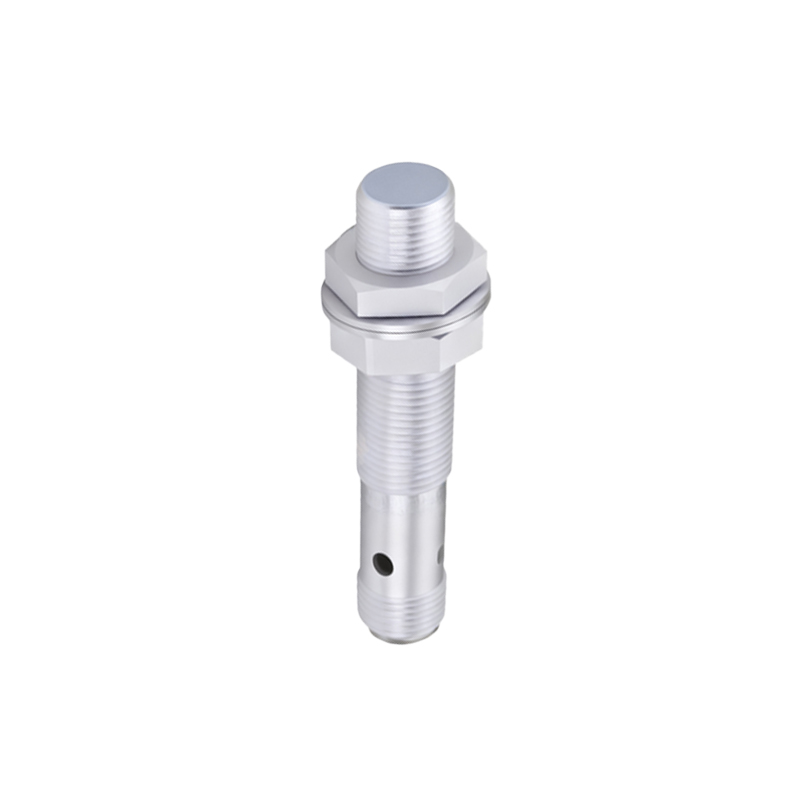
For detecting non-metallic objects, Capacitive Proximity Sensors are the preferred choice. They function by generating an electrostatic field and sensing the capacitance change when any object, metallic or non-metallic (liquids, plastics, wood, granules), enters the field. This makes them incredibly versatile. They can even detect materials through certain non-metallic barriers. Sensitivity is often adjustable, allowing them to ignore certain background materials. These sensors are widely used in level detection for liquids and bulk materials, touch-sensitive interfaces, and detection of filled containers or presence of packaging materials.
Another major category is the Photoelectric Sensor, which uses light to detect objects. While not exclusively proximity sensors, many are configured for proximity (diffuse) mode. They consist of a light emitter (usually LED) and a receiver. In the diffuse reflective type, the sensor emits a light beam, and the receiver detects the light reflected from the target object. Their main strength is the long sensing range compared to inductive and capacitive types, and their ability to detect virtually any material, regardless of color or finish (though these factors can affect range). They are ideal for object detection over distances, transparent object detection, and in clean environments.
Ultrasonic Proximity Sensors operate on a principle similar to sonar. They emit high-frequency sound waves and evaluate the echo reflected from a target object. By calculating the time interval between sending the signal and receiving the echo, the sensor can determine the distance to the object. This technology excels in detecting objects of virtually any material, shape, or color, and is particularly effective in challenging environments with dust, smoke, or fog where optical sensors might fail. Common uses include distance measurement, level sensing in tanks, and presence detection for bulky or irregularly shaped items.
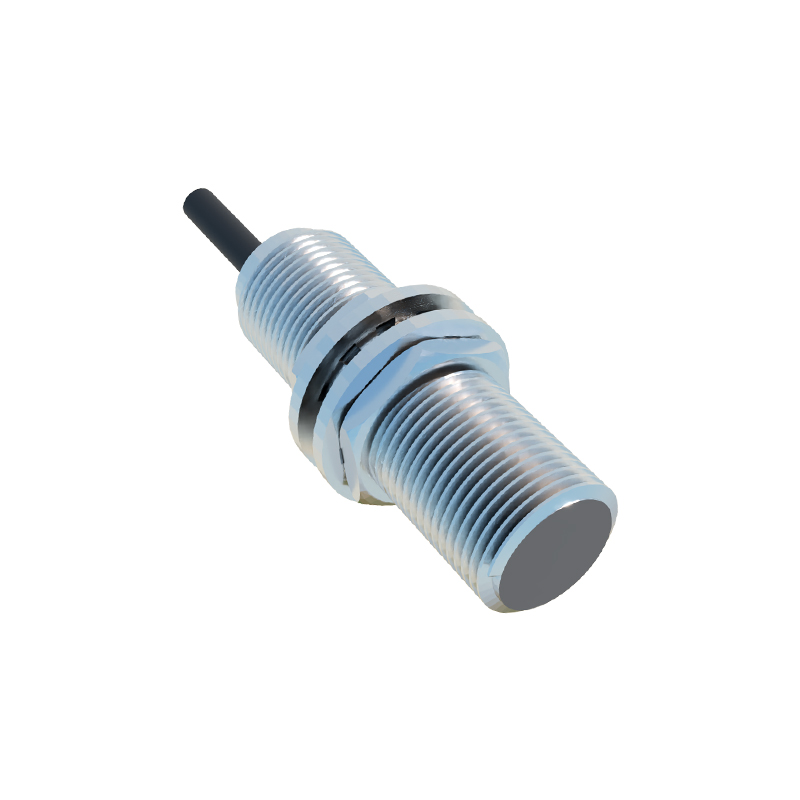
Magnetic Proximity Sensors, specifically Reed Switch and Hall Effect sensors, detect the presence of a magnetic field, typically from a permanent magnet attached to the moving target. Reed switches use hermetically sealed ferromagnetic reeds that contact each other under the influence of a magnetic field. Hall Effect sensors produce a voltage difference (the Hall voltage) when a magnetic field is applied perpendicular to current flow. Both are known for their extreme reliability, low power consumption, and ability to operate in dirty or submerged conditions. They are ubiquitous in security systems (door/window sensors), automotive systems (speed and position sensing), and as limit switches.
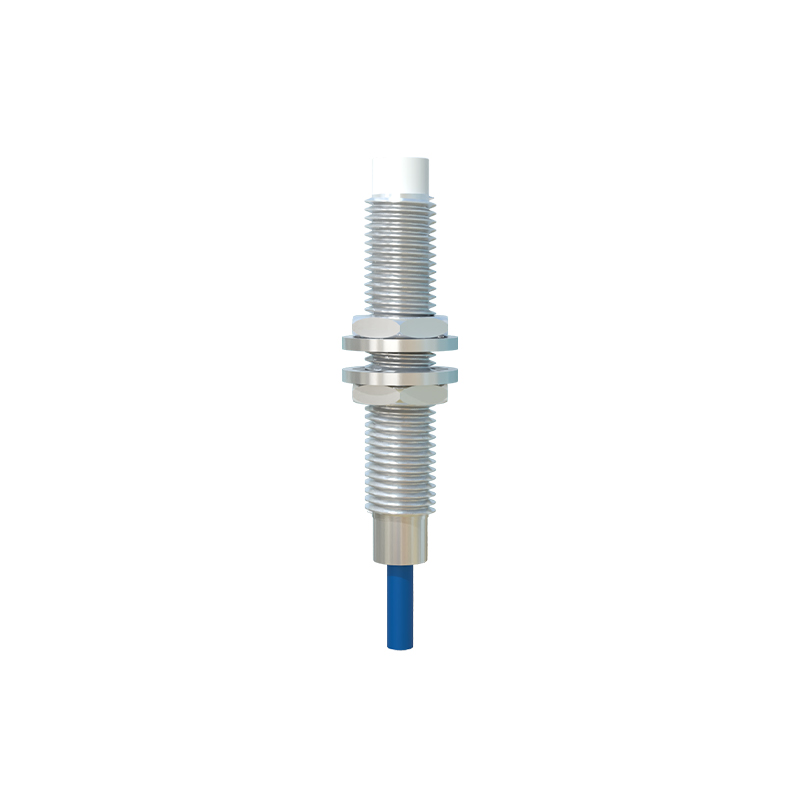
Finally, Eddy-Current Sensors represent a high-precision subtype of inductive sensing. They generate a high-frequency electromagnetic field that induces small eddy currents in a conductive target. The sensor measures the interaction between its field and the eddy currents to determine the distance to the target with micron-level resolution. They are almost exclusively used for precise displacement and vibration measurement in critical machinery, such as monitoring shaft runout, bearing clearance, and metal thickness.
The selection process hinges on several factors: the target material (metal, plastic, liquid), the required sensing range, environmental conditions (temperature, contaminants), response speed, and installation constraints. For instance, an inductive sensor is perfect for detecting a metal gear tooth in an oily factory, while a capacitive sensor is necessary to detect the fluid level inside a plastic bottle, and an ultrasonic sensor is best for measuring the distance to a pallet in a dusty warehouse. By matching the core strengths of each proximity sensor type to the application's specific demands, engineers and designers can build systems that are efficient, reliable, and cost-effective, forming the invisible backbone of automated and intelligent systems across all industries.