In the bustling world of modern technology, where flashy screens and powerful processors often steal the spotlight, a quiet yet indispensable hero works tirelessly behind the scenes: the proximity sensor. This unassuming component, often no larger than a grain of rice, is fundamental to the intuitive operation of countless devices we interact with daily. Its primary function is elegantly simple—to detect the presence or absence of nearby objects without any physical contact. Yet, the sophistication with which it achieves this task enables a world of seamless user experiences and automated efficiencies.
At its core, a proximity sensor works by emitting a field or a beam of electromagnetic radiation, often infrared light, and then looking for changes in the field or the return signal. When an object enters this predefined detection zone, it interrupts or reflects the signal back to the sensor. The sensor's internal circuitry detects this change and sends an electrical signal to the device's main processor, triggering a pre-programmed action. This non-contact detection principle is what makes these sensors so reliable and durable, as there is no mechanical wear and tear involved.
The applications of proximity sensing are vast and deeply integrated into our lives. The most common encounter for most people is with their smartphones. When you lift your phone to your ear during a call, a proximity sensor detects the closeness of your face and automatically turns off the display. This prevents accidental cheek-presses from hanging up the call or activating other touchscreen functions, while also conserving battery power. Similarly, in modern laptops, a sensor can detect when a user is present and keep the system awake, putting it to sleep when the user walks away to save energy.
Beyond consumer electronics, proximity sensors are the workhorses of industrial automation. On assembly lines, they precisely detect the position of components, ensuring robotic arms place parts correctly or counting items as they pass by on a conveyor belt. They provide critical safety functions by creating invisible "curtains" or zones around dangerous machinery, instantly halting operation if a worker gets too close. In the automotive sector, they are the eyes of parking assistance systems, emitting ultrasonic waves to measure the distance to obstacles and providing audible warnings to the driver. Advanced driver-assistance systems (ADAS) rely on more complex radar and LiDAR proximity sensors to enable features like adaptive cruise control and collision avoidance.
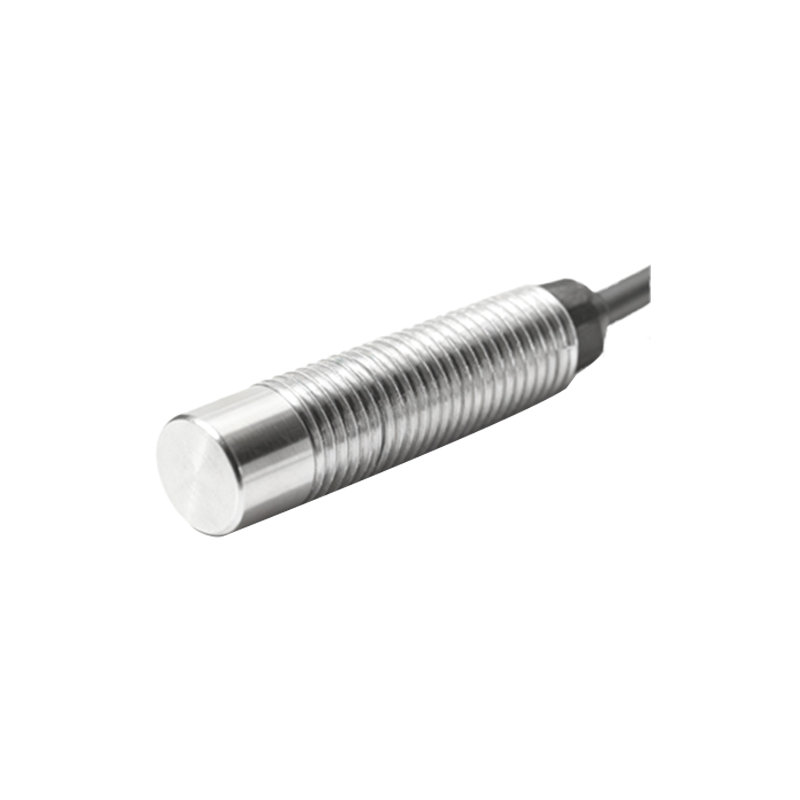
Several key technologies fall under the proximity sensor umbrella, each with its own strengths. Infrared (IR) Sensors are cost-effective and common in consumer devices, using an infrared LED and a photodetector. Ultrasonic Sensors emit high-frequency sound waves and measure the echo's return time, excellent for measuring distance and used in robotics and automotive applications. Capacitive Sensors detect changes in an electrical field caused by conductive or even non-conductive objects, ideal for touchless faucets or elevator buttons. Inductive Sensors are specialized for detecting metallic objects and are staples in factory environments. Photoelectric Sensors use visible or infrared light and are highly precise for industrial object detection.
When selecting a proximity sensor for an application, engineers must consider several factors. The sensing range—how close an object needs to be—varies from a few millimeters to several meters. The type of target material is crucial; an inductive sensor won't detect plastic, while a capacitive sensor might. Environmental conditions like dust, moisture, or ambient light can interfere with some technologies, necessitating sensors with appropriate ingress protection (IP) ratings. Finally, output type—whether the sensor provides a simple digital on/off signal or an analog distance reading—determines how it integrates with the control system.
The future of proximity sensing is linked to the growth of the Internet of Things (IoT) and smarter automation. Sensors are becoming smaller, more energy-efficient, and more intelligent, with some incorporating basic processing to filter out false triggers. Fusion of multiple sensing modalities—like combining a proximity sensor with a camera—will enable more contextual awareness in devices. Furthermore, the development of low-power, wide-area networks will allow proximity data from sensors in infrastructure, retail, and logistics to be used for analytics and optimization on a grand scale.
In conclusion, proximity sensors are a foundational technology of the digital age. Their ability to provide simple, contactless detection bridges the gap between the physical and digital worlds, making our devices more responsive, efficient, and safe. From the smartphone in your pocket to the automated factories that manufacture it, these invisible sentinels play a critical role, proving that sometimes the most powerful technologies are those we never see.