Proximity sensors have become indispensable components in modern automation, robotics, and consumer electronics. Their ability to detect the presence or absence of objects without physical contact makes them vital for efficiency and safety. When considering the integration of these sensors, price is often a primary concern for engineers, procurement specialists, and business owners. The cost of a proximity sensor is not a fixed number but a spectrum influenced by a complex interplay of factors.
The technology type is the most significant price determinant. Inductive proximity sensors, used for detecting metallic objects, are generally the most economical, with prices starting as low as $15 for basic models. Capacitive sensors, capable of detecting both metallic and non-metallic materials like liquids or plastics, typically command a higher price, often beginning around $25-$30. Ultrasonic sensors, offering longer detection ranges and robustness in challenging environments, see prices starting from $50 and can exceed $200 for high-precision industrial versions. The most advanced technology, such as laser rangefinder (LiDAR) modules used in autonomous vehicles or high-end automation, can range from several hundred to thousands of dollars per unit.
Beyond core technology, performance specifications drastically affect the price. Detection range is a key factor; a sensor with a 2mm range will cost significantly less than one with a 20m range. The required sensing precision, often measured in millimeters or even micrometers for precision assembly, adds to the cost. Environmental ratings, particularly Ingress Protection (IP) codes for dust and water resistance, are crucial. A standard IP67-rated sensor for factory floor use will have a higher price point than a non-rated component for benign indoor environments. Additional features like built-in amplifiers, analog outputs (4-20mA, 0-10V), or digital communication protocols (IO-Link, PROFINET) also contribute to a higher price tag, as they add functionality and simplify integration.
The source and brand reputation play a substantial role. Established global brands like Omron, Sick, Pepperl+Fuchs, and Balluff are associated with high reliability, extensive documentation, and global technical support, which is reflected in premium pricing. Their sensors might cost 20-50% more than a generic or lesser-known brand. However, this premium often buys longer product lifecycles, better consistency, and reduced risk of line downtime. In contrast, sensors sourced directly from manufacturers on platforms like Alibaba or from regional suppliers can offer lower upfront costs, but may involve trade-offs in certification, warranty, and long-term availability.
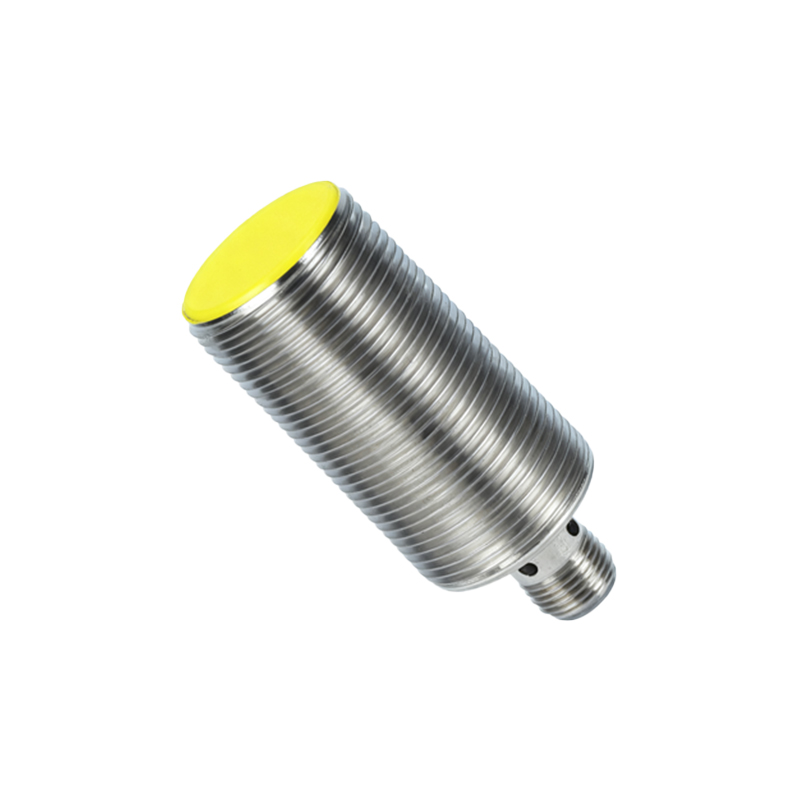
Market dynamics and order volume are the final pieces of the pricing puzzle. Like most electronic components, proximity sensors are subject to global supply chain fluctuations. Semiconductor shortages or increased raw material costs can drive prices up across the board. Conversely, technological maturation and increased competition can gradually lower prices for standard models. Most importantly, unit price drops dramatically with volume. A single prototype sensor might be purchased at a distributor's list price, while an OEM order for 10,000 units will benefit from substantial volume discounts negotiated directly with the manufacturer.
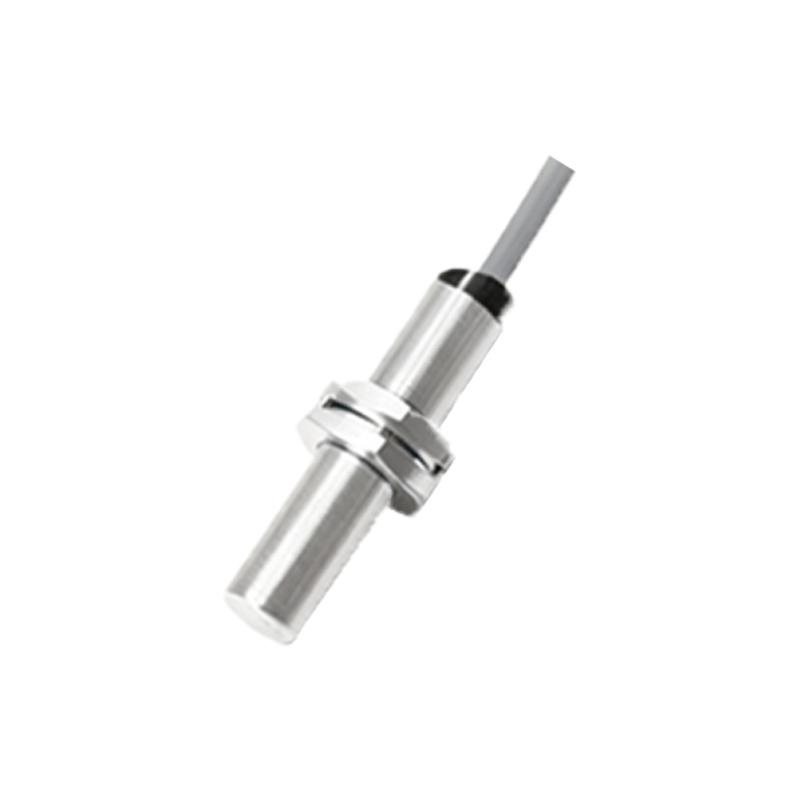
Therefore, a holistic approach is essential when evaluating proximity sensor prices. The initial purchase price is just one part of the Total Cost of Ownership (TCO). A slightly more expensive sensor from a reputable supplier that offers perfect reliability for a specific harsh application can prevent costly production stoppages, saving far more money over its operational life than the price difference of a cheaper, less suitable alternative. The key is to precisely define the application requirements—target material, required range, environmental conditions, and necessary outputs—and then source sensors that meet those specs from suppliers offering the best balance of cost, quality, and support.