Selecting the right infrared (IR) proximity sensor can be a critical decision for engineers, hobbyists, and product developers. The market offers a wide array of options, from simple modules to highly integrated chipsets, making the choice of "which one is best" highly dependent on the specific application. There is no single "best" manufacturer for all scenarios; instead, the optimal sensor is the one that perfectly balances performance, size, cost, and integration effort for your unique needs.
The core principle of an IR proximity sensor is straightforward: it emits an infrared light beam and measures the intensity of the light that reflects back from an object. The closer the object, the stronger the reflected signal. This simple operation, however, hinges on sophisticated components like IR LEDs (often with specific wavelengths like 850nm or 940nm), photodiodes or phototransistors for reception, and signal processing circuitry. Key performance parameters include detection range, response time, accuracy, and immunity to ambient light interference. A sensor designed for a smartphone's screen-dimming function has vastly different requirements—miniature size, ultra-low power—compared to one used in an industrial robot for object avoidance, which prioritizes long range and high reliability.
When evaluating different providers and models, several technical factors demand careful consideration. First, examine the sensing range. Some sensors are optimized for short-range detection (2-10 cm), ideal for touchless faucets or paper detection in printers. Others can detect objects several meters away, suitable for robotics or security systems. The output type is equally crucial. Analog output sensors provide a variable voltage corresponding to distance, offering high resolution for precise measurements. Digital output sensors, like I2C or UART, simplify microcontroller interfacing and often include built-in algorithms for distance calculation and ambient light cancellation. Package size and integration level are decisive for compact consumer electronics. Discrete solutions offer design flexibility but require more board space and calibration effort. Fully integrated modules from companies like Vishay, Sharp (now part of Qorvo), or STMicroelectronics come pre-calibrated and are often the preferred choice for rapid prototyping and medium-volume production.
Environmental robustness is another critical filter. Will the sensor operate in a stable indoor setting or a harsh outdoor environment with varying temperature, humidity, and direct sunlight? Sensors with robust ambient light rejection (using modulated IR signals) are essential for reliable operation under sunlight or bright indoor lighting. Power consumption is a paramount concern for battery-powered devices like wearables or remote sensors. Look for sensors with low quiescent current and programmable sleep modes.
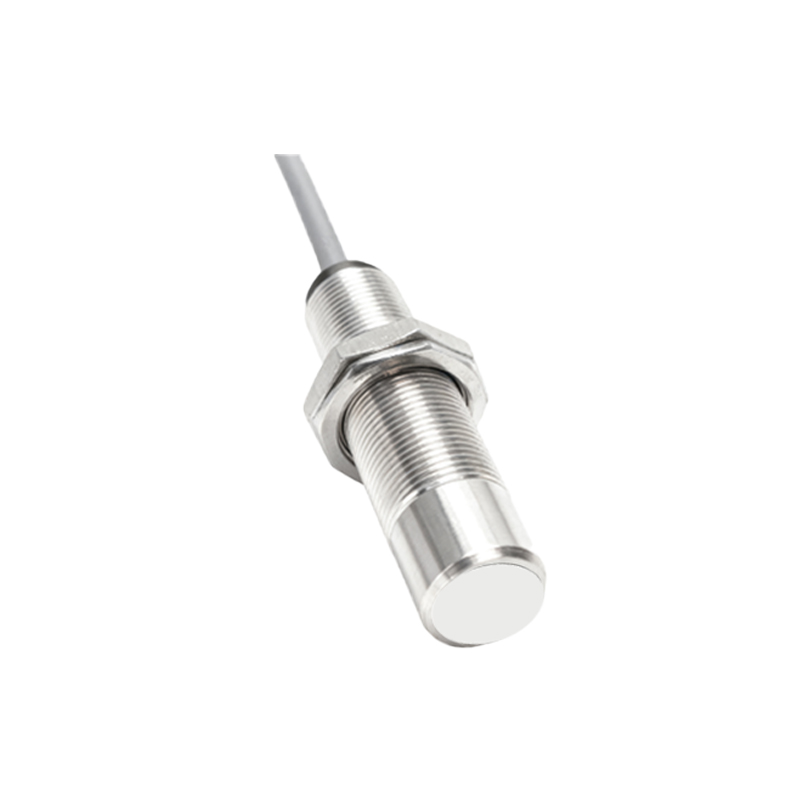
Beyond the raw specifications, the ecosystem surrounding the sensor significantly impacts development speed and success. Manufacturer support is invaluable. Leading semiconductor companies such as Texas Instruments, ams OSRAM, and Broadcom provide extensive documentation, including detailed datasheets, application notes, reference designs, and proven software drivers. An active online community or forum where engineers share experiences can be a tremendous resource for troubleshooting. Availability and supply chain stability have become major considerations in recent years. Choosing a sensor from a reputable manufacturer with a reliable distribution network can prevent costly production delays. Finally, total cost must be evaluated, which includes not just the unit price of the sensor but also the cost of supporting components, PCB real estate, and the engineering time required for integration and calibration.
For instance, in a consumer electronics application like automatic screen on/off in a laptop, a highly integrated digital sensor from a vendor like Vishay or Lite-On might be the ideal choice, offering a small footprint and easy software integration. For an advanced robotics project requiring high-precision, multi-point distance mapping, a Time-of-Flight (ToF) sensor from STMicroelectronics or ams OSRAM, which uses IR pulses to measure time-of-flight, might represent the "best" technology, albeit at a higher cost and complexity.
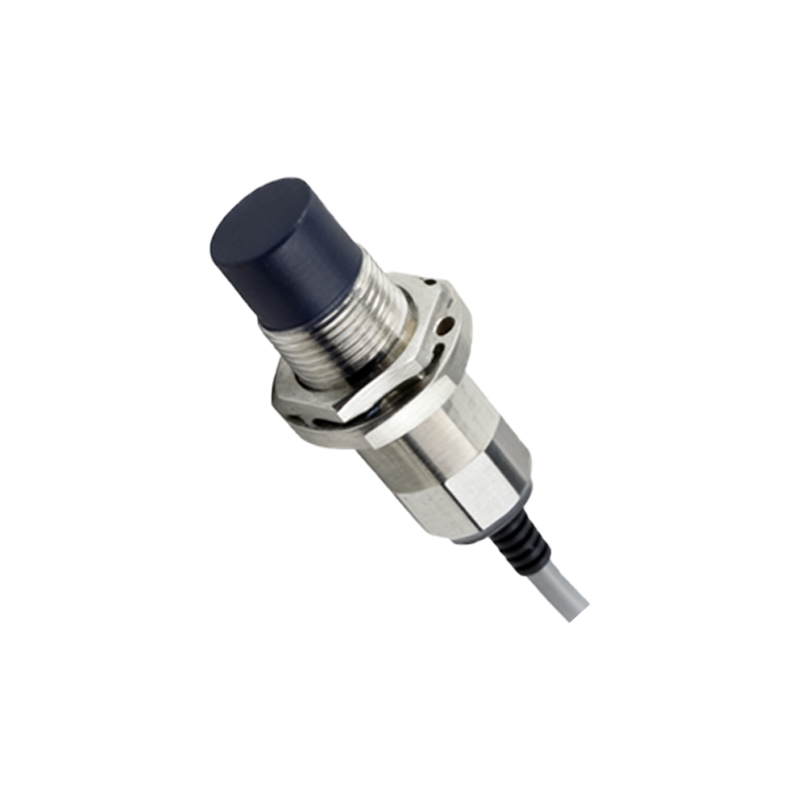
Therefore, the question "Which infrared proximity sensor is best?" should be reframed as "Which infrared proximity sensor is best for my specific application?" Start by rigorously defining your requirements: required detection distance, accuracy tolerance, power budget, physical size constraints, operating environment, and production volume. With these criteria in hand, compare the offerings from established industry leaders. Review their datasheets, evaluate development kits if available, and test samples in real-world conditions. The "best" sensor is not defined by a brand name alone, but by the one that delivers reliable, consistent performance within the constraints of your project, supported by a manufacturer that enables your success from prototype to production.