Proximity sensors are widely used in industrial automation, consumer electronics, and safety systems to detect the presence or absence of objects without physical contact. A common question among engineers, technicians, and hobbyists is whether these sensors have positive and negative poles, similar to components like batteries or DC motors. The answer depends on the type of proximity sensor and its electrical design.
Proximity sensors can be categorized into several types, including inductive, capacitive, ultrasonic, and optical sensors. Each type operates on different principles, which influence their wiring and polarity requirements. For instance, inductive proximity sensors, often used for metal detection, typically have three wires: brown (positive), blue (negative), and black (output). In such DC-powered sensors, correct polarity is crucial. Connecting the brown wire to the positive supply and the blue wire to the negative ensures proper operation. Reversing these connections can damage the sensor or cause malfunction.
Capacitive proximity sensors, which detect both metallic and non-metallic objects, also usually require correct polarity when powered by DC. They follow similar wiring conventions, with positive and negative terminals clearly marked. However, some AC-powered proximity sensors may not have strict polarity requirements, as alternating current naturally reverses direction. It is essential to consult the sensor's datasheet or manual, as manufacturers may specify unique wiring configurations.
In contrast, two-wire AC/DC proximity sensors are often polarity-insensitive, meaning they can be connected without regard to positive or negative terminals. These sensors simplify installation but may have limitations in load compatibility. Additionally, ultrasonic and optical proximity sensors, which rely on sound waves or light beams, generally include integrated circuits that require specific voltage inputs, making polarity critical for their electronic components.
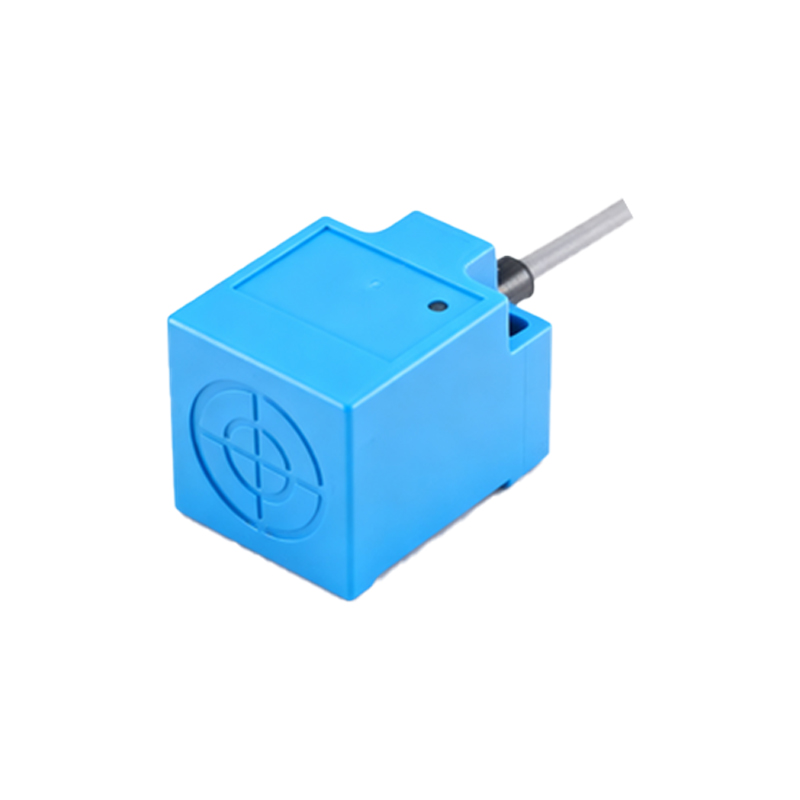
Understanding polarity is vital for safety and performance. Incorrect wiring can lead to sensor failure, erratic behavior, or even hazards in industrial environments. Always verify the sensor type, power supply specifications, and wiring diagrams before installation. For example, in automotive applications, proximity sensors in parking assist systems must be correctly polarized to avoid false detections. Similarly, in manufacturing conveyor belts, reversed polarity might disrupt automated processes.
In summary, most DC-powered proximity sensors do have positive and negative poles that must be observed. AC-powered or two-wire sensors might be more flexible, but exceptions exist. Key practices include checking manufacturer guidelines, using standardized color codes (brown/blue for DC), and testing sensors after installation. As technology advances, some modern sensors feature built-in protection against reverse polarity, enhancing durability. By paying attention to these details, users can ensure reliable detection, extend sensor lifespan, and maintain system integrity.