In the dynamic landscape of industrial automation, proximity switch sensors have become indispensable components, and Jiujiang has emerged as a significant hub for their application and innovation. These non-contact sensors detect the presence or absence of objects with high precision, making them vital in manufacturing, packaging, material handling, and automotive assembly lines prevalent in the Jiujiang region. This article delves into the technical specifications, operational principles, and key considerations for deploying proximity sensors in Jiujiang's industrial settings.
Proximity sensors primarily operate on electromagnetic or capacitive principles. Inductive proximity sensors, the most common type, generate an oscillating electromagnetic field. When a metallic object enters this field, it induces eddy currents, causing a change in oscillation amplitude. This change is detected by the sensor's circuitry, triggering an output signal. These sensors are ideal for detecting metals like steel, aluminum, and copper, and are widely used in Jiujiang's metalworking and machinery plants. Their robustness against dirt, dust, and moisture makes them suitable for harsh environments.
Capacitive proximity sensors, on the other hand, can detect both metallic and non-metallic materials, including liquids, plastics, and wood. They function by measuring changes in capacitance between the sensor and the target object. This versatility is valuable in Jiujiang's diverse industries, such as food processing, where they monitor liquid levels in containers, or in packaging lines detecting cardboard or plastic products.
Key technical parameters must be evaluated when selecting a proximity sensor for Jiujiang-based applications. Sensing distance, or the nominal range at which a standard target can be reliably detected, is crucial. Factors like target material, size, and shape can affect this distance. Response frequency indicates how quickly the sensor can detect objects passing by, a critical factor in high-speed production lines common in Jiujiang's export-oriented manufacturing sector. Environmental ratings, particularly Ingress Protection (IP) codes, are essential due to potential exposure to coolants, oils, or washdowns in local factories. Sensors with IP67 or higher ratings are often recommended.
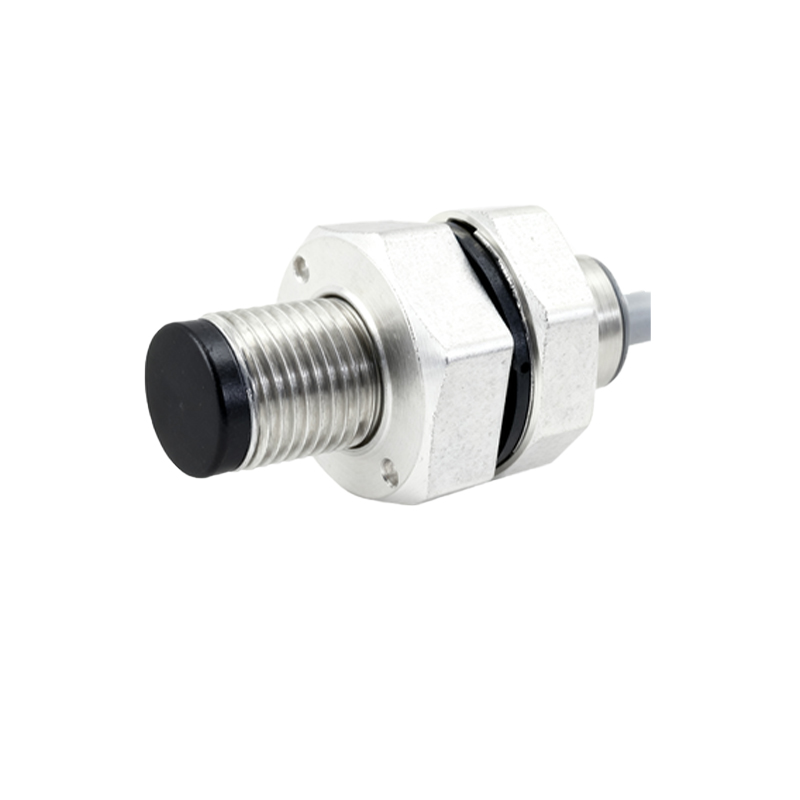
Output configurations—typically NPN (sinking) or PNP (sourcing) transistor outputs—must be compatible with the existing Programmable Logic Controllers (PLCs) and control systems in Jiujiang's facilities. Wiring and installation follow standard practices, but attention must be paid to electrical noise interference, which can be mitigated through proper shielding and grounding, especially in plants with heavy motor drives or welding equipment.
The advantages of using proximity switches in Jiujiang are manifold. Their non-contact nature eliminates mechanical wear, ensuring long service life and reducing maintenance downtime. They provide high repeatability and accuracy, critical for quality control in precision manufacturing. Furthermore, their solid-state design offers resistance to vibration and shock, common in industrial environments.
For optimal performance in Jiujiang, regular maintenance is minimal but important. Sensors should be kept clean from metallic swarf or debris accumulation. Periodic checks for proper alignment and secure mounting prevent false triggers. It is also advisable to verify operating voltage stability, as fluctuations can affect sensor reliability.
In conclusion, proximity switch sensors are foundational to the automation and efficiency of industries in Jiujiang. Understanding their types, operational mechanics, and selection criteria enables engineers and plant managers to enhance system reliability, safety, and productivity. As Jiujiang continues to grow as an industrial center, the strategic implementation of these sensors will remain a key factor in maintaining competitive and technologically advanced operations.