In the realm of industrial automation and control systems, proximity switches stand as indispensable components for non-contact detection. Among the various configurations available, the three-wire proximity switch, often referred to in some technical circles with designations like "Langfu" (a model or brand reference), represents a prevalent and highly reliable standard. This article delves into the operational principles, wiring methodologies, key advantages, and practical application considerations of three-wire DC proximity sensors, providing essential knowledge for engineers and technicians.
Fundamentally, a proximity switch is a sensor that detects the presence or absence of an object without physical contact. It operates by generating an electromagnetic field or a beam of electromagnetic radiation (like infrared light). When a target object enters this field, it causes a change in the oscillation amplitude or the return signal, which is then converted into a binary electrical signal—either ON or OFF. Three-wire sensors are predominantly DC-powered devices and are categorized based on their output type: PNP (sourcing) and NPN (sinking). This distinction is critical for proper integration into control systems.
A standard three-wire DC proximity switch features three distinct wires: brown, blue, and black. The brown wire is universally connected to the positive DC supply voltage (typically +12V or +24V DC). The blue wire is connected to the negative supply or common ground (0V). The black wire is the signal output line. In a PNP configuration, the black wire outputs a positive voltage (close to the supply voltage) when the sensor is activated (target detected). This type "sources" current to the load, which is connected between the black wire and ground. Conversely, in an NPN configuration, the black wire switches to ground (0V) when activated, effectively "sinking" current from the load, which is connected between the positive supply and the black wire. Misunderstanding this difference is a common source of installation errors.
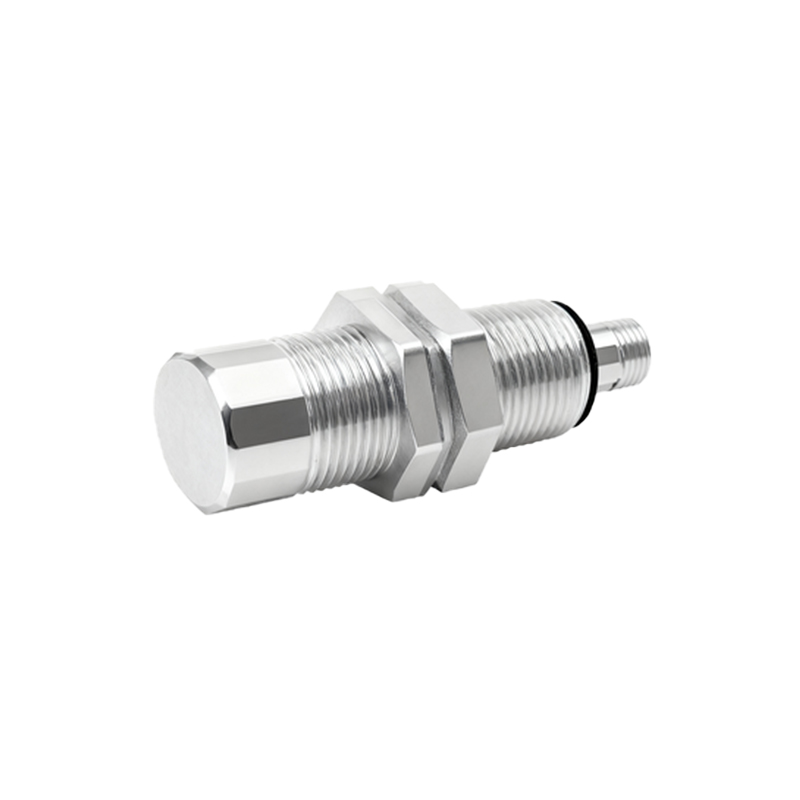
The advantages of the three-wire design are manifold. Firstly, they offer superior electrical noise immunity compared to two-wire AC/DC sensors, making them ideal for environments with substantial electromagnetic interference from motors, welders, or other inductive loads. Secondly, they provide a clear, low-impedance switching signal with minimal voltage drop, ensuring reliable communication with Programmable Logic Controllers (PLCs), relays, or other input modules. Thirdly, they allow for easier diagnostic capabilities, as the status can often be monitored via an LED indicator and the signal can be measured directly with a multimeter. Models like certain "Langfu" series are known for their robust housing (often in nickel-plated brass or stainless steel), extended sensing ranges, and high switching frequencies, catering to demanding applications in packaging, material handling, automotive assembly, and machine tooling.
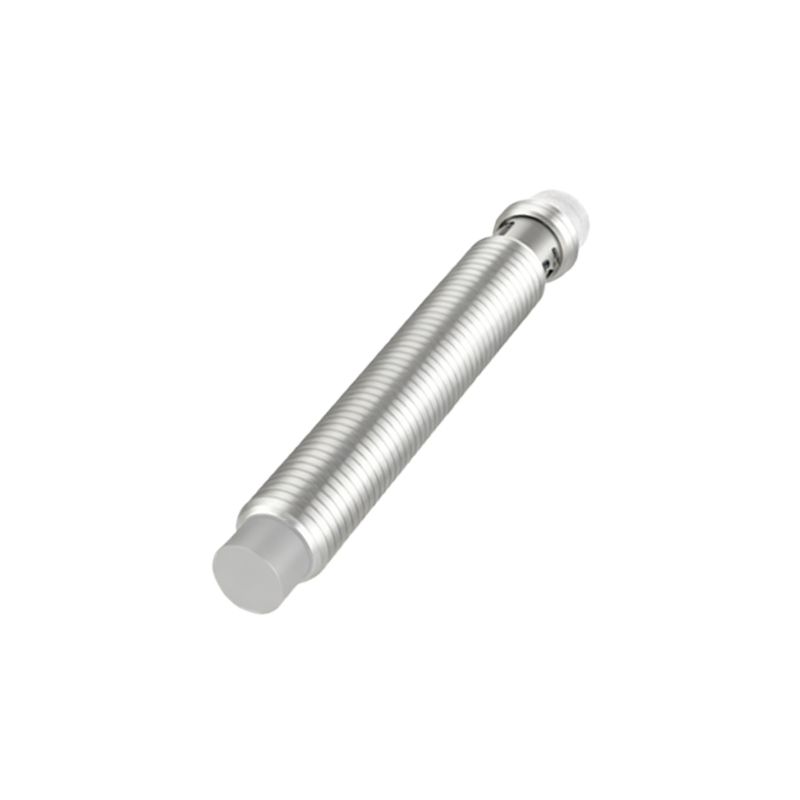
When selecting and installing a three-wire proximity sensor, several factors must be considered. The sensing distance, or nominal range, must be chosen with a safety margin to account for target material, size, and environmental conditions like temperature or the presence of dust/coolants. The target material also matters; inductive sensors detect metals, while capacitive sensors can detect non-metals. The output type (PNP vs. NPN) must match the input requirements of the controller. Wiring must be precise: always refer to the manufacturer's datasheet, as wire colors can occasionally vary. Ensure proper shielding and routing of cables away from power lines to prevent noise coupling. For models specified for harsh environments, verify the Ingress Protection (IP) rating (e.g., IP67) to guarantee resistance to water and dust.
In conclusion, the three-wire DC proximity switch is a cornerstone of modern industrial sensing. Its reliable performance, noise resistance, and straightforward interface with digital control systems make it a preferred choice for engineers. Understanding the critical difference between PNP and NPN wiring, along with proper selection based on application parameters, is paramount for ensuring system reliability and longevity. Whether integrating a standard industry model or a specific brand variant, adherence to these principles guarantees optimal performance in automated processes.