In the rapidly evolving landscape of industrial automation and precision manufacturing, laser distance sensors have emerged as a cornerstone technology, particularly within the metalworking sector. These sophisticated devices, which operate on the principle of time-of-flight, phase-shift, or triangulation, project a laser beam onto a target surface—often metal—and measure the time or phase difference of the reflected light to calculate distance with exceptional accuracy. The inherent properties of metal surfaces, including high reflectivity and varied textures, present unique challenges and opportunities for laser sensing technology. Modern sensors are specifically engineered to handle these conditions, employing advanced algorithms to filter out noise, compensate for surface angle, and deliver reliable measurements even on shiny, curved, or rough metal surfaces.
The applications within metal fabrication and machining are vast and critical. In robotic welding cells, laser distance sensors provide real-time seam tracking and standoff distance control, ensuring consistent weld quality and penetration by dynamically adjusting the robot's path. This capability is paramount for complex joints in automotive chassis or aerospace components. Similarly, in CNC machining centers, these sensors are deployed for tool setting and broken tool detection. By quickly and precisely measuring the tool length and diameter, they eliminate manual setup errors, reduce machine downtime, and prevent costly collisions or defective parts. Furthermore, in rolling mills and forging operations, non-contact laser sensors are indispensable for continuous thickness monitoring of sheets, plates, and profiles. They enable tight tolerances to be maintained throughout the production process, directly impacting material yield and final product quality.
Another transformative application is in dimensional inspection and quality control. Coordinate measuring machines (CMMs) and inline inspection systems increasingly integrate laser scanners to capture dense point clouds of machined metal parts. This allows for rapid comparison against CAD models, verification of geometric tolerances, and detection of surface defects—all at production line speeds. The high sampling rate and micron-level resolution of modern sensors make them ideal for inspecting intricate features on engine blocks, turbine blades, and precision stampings.
The selection of an appropriate laser sensor for metal applications requires careful consideration of several technical parameters. Range and standoff distance must be matched to the specific measurement task. Resolution and linearity define the smallest detectable change and measurement consistency across the range, respectively. The laser spot size is crucial when measuring small features or edges. Perhaps most importantly, the sensor must be robust enough to withstand the harsh industrial environment typical of metal shops. This includes resistance to vibrations, electromagnetic interference from heavy machinery, airborne contaminants like oil mist and metal dust, and significant temperature fluctuations. Enclosures with high IP ratings (e.g., IP67) are standard for such demanding conditions.
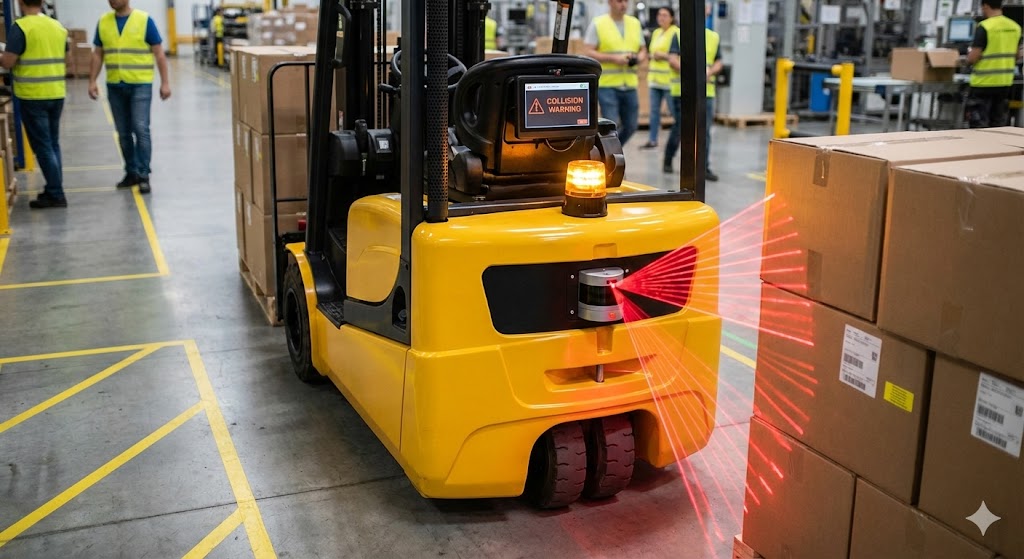
Recent technological advancements are pushing the boundaries further. The development of blue laser technology offers advantages over traditional red lasers when measuring hot metals, as the shorter wavelength is less affected by the radiant heat and incandescence of the workpiece. Innovations in integrated computing, such as onboard processors with Ethernet Advanced Physical Layer (Ethernet-APL) connectivity, facilitate faster data processing and seamless integration into Industry 4.0 frameworks and Industrial Internet of Things (IIoT) systems. This allows for predictive maintenance models, where sensor data trends can forecast the need for calibration or warn of potential process drift before it leads to scrap.
In conclusion, laser distance sensors are not merely measurement tools but enablers of higher efficiency, superior quality, and intelligent manufacturing in the metal industry. Their ability to deliver precise, reliable, and non-contact measurements on challenging metal surfaces addresses fundamental needs for process control and automation. As sensor technology continues to advance in tandem with digitalization trends, its role in shaping smarter, more agile, and more competitive metalworking operations will only become more profound. Engineers and plant managers must stay abreast of these developments to fully leverage the potential of laser metrology in driving operational excellence.