Proximity sensors are indispensable components in modern industrial automation, robotics, and smart systems. As an electrical engineer, understanding their operational principles, selection criteria, and application nuances is crucial for designing efficient and reliable systems. This one-on-one guide delves into the core aspects of proximity sensors, offering practical insights tailored for professionals in the field.
At its essence, a proximity sensor detects the presence or absence of an object within a specified range without physical contact. This non-contact operation minimizes wear and tear, enhances longevity, and allows for high-speed detection in demanding environments. The most common types include inductive, capacitive, ultrasonic, and photoelectric sensors, each with distinct mechanisms suited to specific scenarios.
Inductive proximity sensors are widely used in metal detection applications. They generate an electromagnetic field and react to changes caused by metallic objects entering this field. Typically, these sensors excel in harsh industrial settings—such as manufacturing assembly lines—where durability and resistance to contaminants like dust or oil are paramount. Key parameters to consider include sensing distance, response frequency, and shielding type (shielded vs. unshielded). For instance, shielded sensors offer flush mounting capabilities but have shorter ranges, while unshielded variants provide extended detection distances.
Capacitive proximity sensors, on the other hand, can detect both metallic and non-metallic materials, including liquids, plastics, and granules. They operate by measuring changes in capacitance when an object alters the sensor's electrostatic field. This versatility makes them ideal for level detection in tanks or material handling in packaging industries. Engineers must account for environmental factors like humidity and temperature, which can influence capacitive sensitivity and require proper calibration.
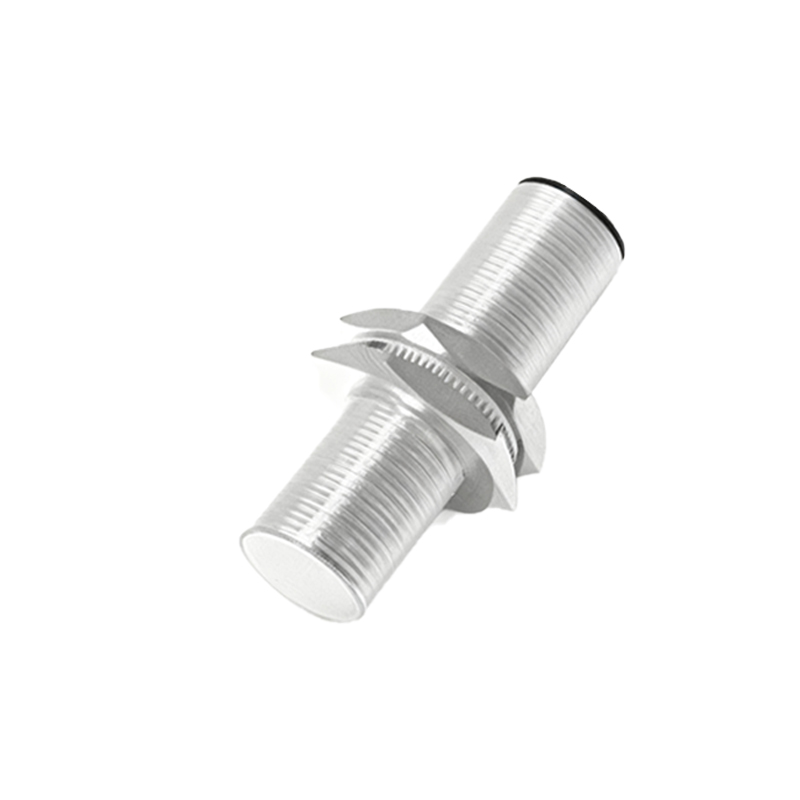
Ultrasonic sensors utilize sound waves beyond human hearing to gauge distance or presence. By emitting ultrasonic pulses and calculating the time taken for echoes to return, they offer precise measurements even for transparent or irregularly shaped objects. Common applications include object positioning in logistics and collision avoidance in automated guided vehicles (AGVs). However, their performance may be affected by air turbulence, temperature gradients, or absorbent surfaces, necessitating careful installation and testing.
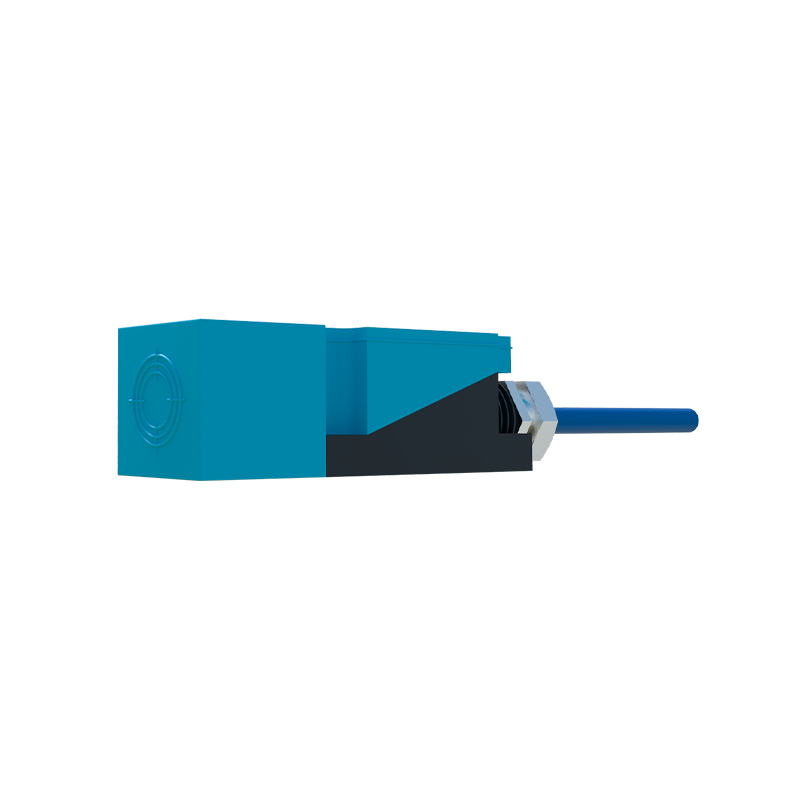
Photoelectric sensors rely on light beams—usually infrared or laser—to detect objects. They come in three main configurations: through-beam (separate emitter and receiver), retro-reflective (using a reflector), and diffuse (reflective). Through-beam sensors provide the longest ranges and highest accuracy, suitable for conveyor belt monitoring, while diffuse types are compact and easier to align for proximity tasks. Engineers should prioritize factors like light source stability, ambient light interference, and lens cleanliness to maintain optimal functionality.
When selecting a proximity sensor, engineers must evaluate technical specifications alongside real-world constraints. Sensing range, output type (e.g., NPN/PNP, analog/digital), housing material (e.g., stainless steel for corrosive environments), and connectivity protocols (e.g., IO-Link for Industry 4.0 integration) are critical considerations. Additionally, compliance with standards like IEC 60947-5-2 ensures safety and interoperability in global markets.
In practice, installation and maintenance play pivotal roles. Proper mounting alignment, avoidance of mutual interference between multiple sensors, and regular diagnostics can prevent false triggers or downtime. For example, inductive sensors may malfunction if mounted too close to heavy machinery causing electromagnetic interference, while capacitive sensors might require recalibration after material changes in production lines.
Emerging trends, such as miniaturization and IoT-enabled smart sensors, are reshaping the landscape. Modern proximity sensors now incorporate self-diagnostic features, wireless communication, and data analytics capabilities, enabling predictive maintenance and enhanced system autonomy. As industries advance toward fully automated solutions, engineers must stay abreast of these innovations to leverage their full potential.
Ultimately, mastering proximity sensor technology involves balancing theoretical knowledge with hands-on experience. By understanding each sensor's strengths and limitations, electrical engineers can design robust systems that improve efficiency, safety, and productivity across diverse applications—from automotive manufacturing to consumer electronics. This one-on-one overview serves as a foundational reference, encouraging continuous learning and adaptation in a rapidly evolving field.