Capacitive proximity sensors are versatile and reliable components widely used in industrial automation, consumer electronics, and various detection systems. Unlike their inductive counterparts that only detect metals, capacitive sensors can detect a vast range of materials, including liquids, plastics, glass, wood, and granular substances. This fundamental characteristic stems from their operating principle: they detect changes in capacitance caused by the presence of any object that alters the dielectric constant of the sensor's electrostatic field.
The core of a capacitive sensor is an oscillator circuit. The sensor's active surface, or sensing face, forms one plate of a capacitor, with the target object acting as the other plate. The air gap between them serves as the dielectric. When an object enters the detection zone, it changes the capacitance of the system. This change in capacitance affects the oscillator's amplitude. Once the amplitude reaches a predetermined threshold, the sensor's output state switches, signaling the object's presence. This mechanism allows for non-contact detection, eliminating mechanical wear and enabling high-speed operation.
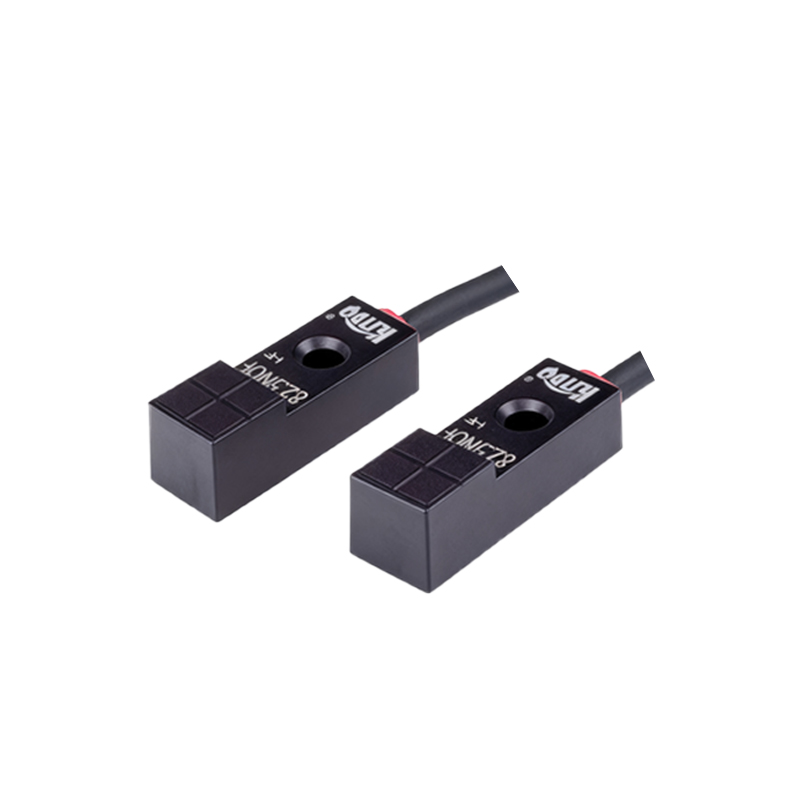
One of the most significant features of capacitive sensors is their material versatility. They are not limited to conductive materials. For instance, they can detect the level of liquids inside a non-metallic container, sense the presence of a plastic bottle on a conveyor, or identify the fill level of powdered material in a hopper. This makes them indispensable in packaging, food and beverage, pharmaceutical, and chemical industries.
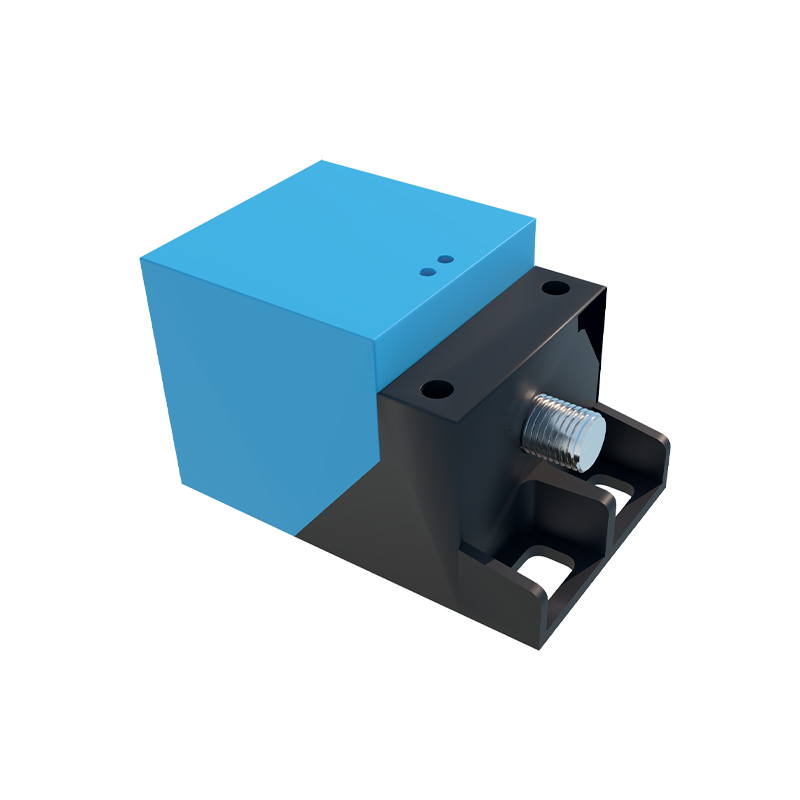
Another key feature is their ability to adjust sensitivity. Most capacitive sensors are equipped with a potentiometer or teach-in function. This allows users to fine-tune the sensing distance or calibrate the sensor to ignore certain background materials, like the container wall, and only detect the target material inside. This adjustability is crucial for dealing with different application conditions and material properties.
Capacitive sensors also offer excellent performance in challenging environments. Many models are built with robust housings (often in PBT or stainless steel) and feature high protection ratings like IP67 or IP69K, making them resistant to dust, moisture, and high-pressure washdowns. This durability is essential for harsh industrial settings, including those requiring frequent cleaning.
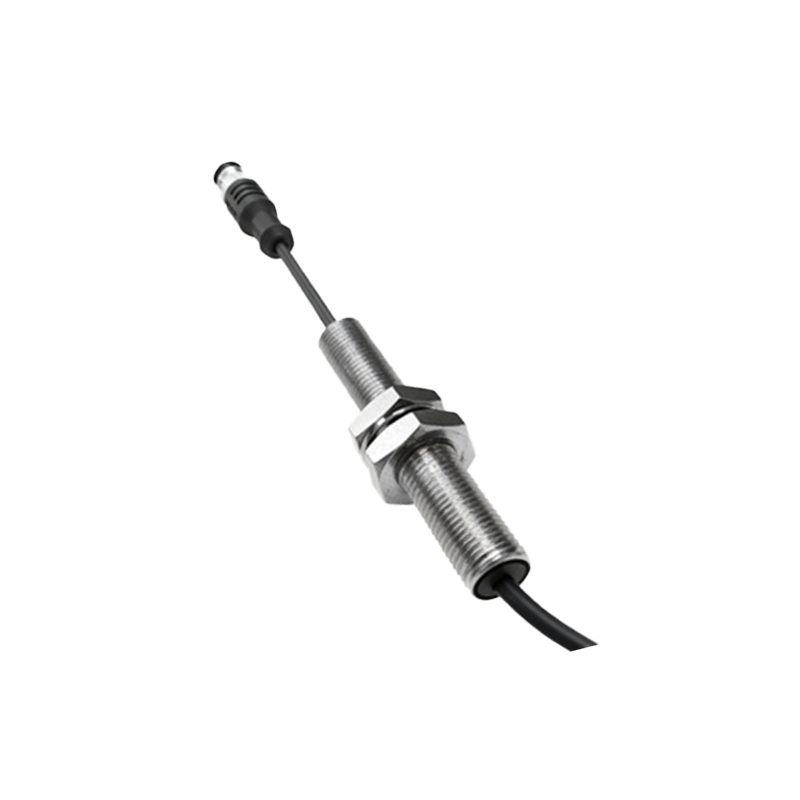
Furthermore, these sensors provide stable and long-term reliable operation. They are largely unaffected by factors like target surface color, brightness, or transparency, which can pose problems for optical sensors. They perform consistently whether detecting clear water or opaque oil. Their output is typically a stable DC signal (PNP/NPN) or analog signal (4-20mA, 0-10V), easily interfaced with programmable logic controllers (PLCs) and other control systems.
A common application is level detection. Capacitive sensors monitor the fill level of liquids, pastes, or granules in tanks, silos, and bins. They can trigger alarms for high or low levels, preventing overflows or dry running of pumps. In assembly automation, they verify the presence of non-metallic components, such as checking if a plastic gear is correctly placed. They are also used in touch-sensitive interfaces, like touchscreens and touch-controlled buttons, where a finger's proximity changes the local capacitance.
When selecting a capacitive sensor, several factors must be considered. The sensing distance, which is typically shorter than that of inductive sensors for metals, needs to be appropriate for the application. The sensor's size and form factor (barrel, rectangular, ring-shaped) must fit the installation space. The output type (NO/NC, analog) and supply voltage must match the control system's requirements. Finally, the sensor's housing material and protection rating must be suitable for the operational environment, especially if it involves exposure to chemicals, extreme temperatures, or physical impact.
In summary, capacitive proximity sensors are characterized by their ability to detect nearly all material types, adjustable sensitivity, environmental robustness, and reliable non-contact operation. Their flexibility solves countless detection challenges where other sensor types fall short, solidifying their role as a fundamental tool in modern industrial sensing and control.