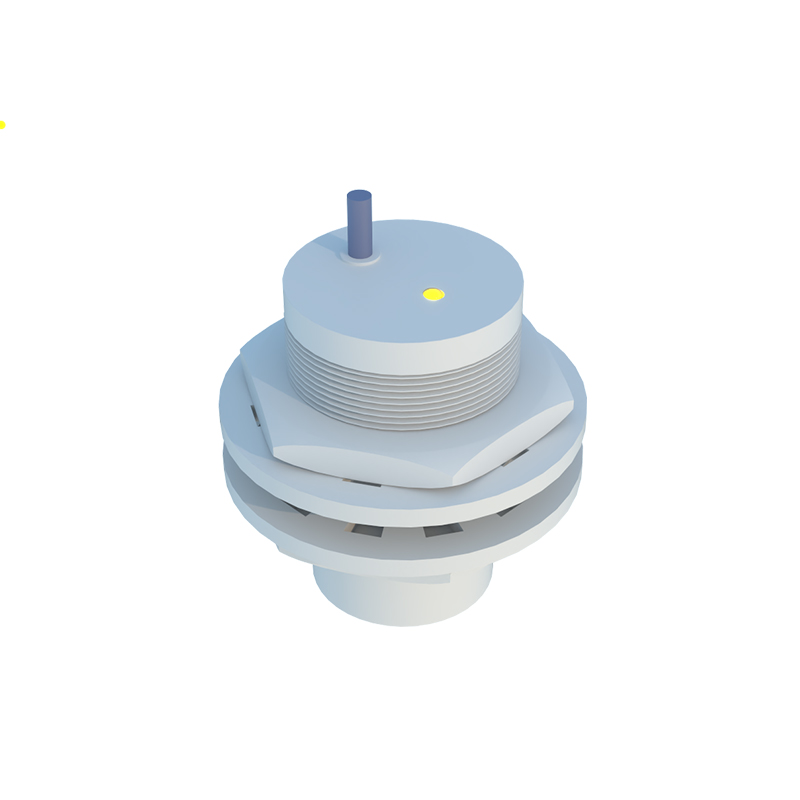
In the realm of industrial automation and consumer electronics, the demand for reliable, cost-effective, and durable sensing solutions is ever-present. Among the diverse array of sensors available, plastic housing proximity sensors have carved out a significant niche. These non-contact detection devices, encased in robust polymer materials, offer a compelling alternative to traditional metal-housed sensors for a wide range of applications. This guide delves into their working principles, key advantages, selection criteria, and typical use cases.
At their core, proximity sensors detect the presence or absence of an object within a specified range without physical contact. They operate on various principles, including inductive, capacitive, and photoelectric sensing. Inductive sensors, the most common type for metallic object detection, generate an electromagnetic field. When a metal object enters this field, it causes a change in oscillation amplitude, which the sensor detects and converts into an electrical output signal. Capacitive sensors can detect both metallic and non-metallic materials (like liquids, plastics, or wood) by measuring changes in capacitance. Photoelectric sensors use a light beam, typically infrared, to detect objects.
The defining characteristic of these sensors is their housing, constructed from engineering plastics such as PBT (Polybutylene Terephthalate), PPS (Polyphenylene Sulfide), or other high-grade polymers. This material choice is not arbitrary; it confers several critical benefits. First and foremost is exceptional corrosion resistance. Unlike metal housings that can rust or degrade when exposed to chemicals, saline environments, or frequent washdowns (common in food & beverage or pharmaceutical industries), plastic housings remain inert and unaffected. This translates to longer service life and reduced maintenance in harsh conditions.
Secondly, plastic housings offer significant weight reduction, which is advantageous in applications involving moving parts or robotic arms where added mass impacts performance and energy consumption. The manufacturing process for plastic enclosures also allows for greater design flexibility, enabling more complex shapes, integrated mounting features, and better sealing options. Many plastic-housed sensors achieve high Ingress Protection (IP) ratings like IP67 or IP69K, making them dust-tight and capable of withstanding high-pressure, high-temperature jet cleaning.
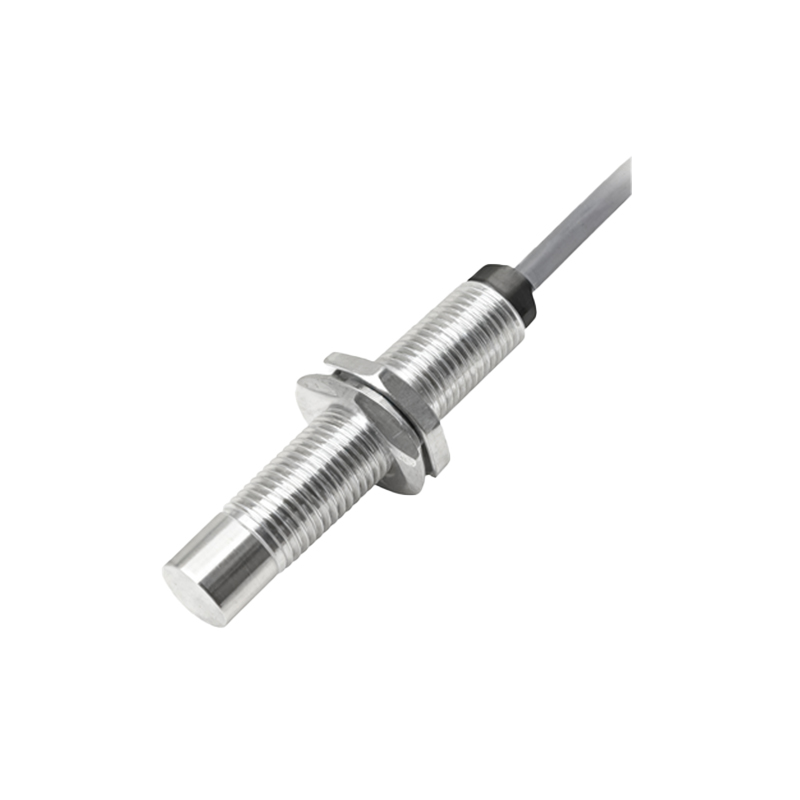
Furthermore, these sensors are inherently non-magnetic and electrically insulating. This eliminates the risk of magnetic interference in sensitive environments and prevents issues with residual magnetism that can sometimes affect metal-housed inductive sensors. In environments with strong electromagnetic interference (EMI), certain plastic materials can be formulated to provide shielding. Cost-effectiveness is another major driver. Engineering plastics are generally less expensive than stainless steel or brass, allowing OEMs and end-users to achieve reliable sensing at a lower total cost.
Selecting the right plastic housing proximity sensor requires careful consideration of several parameters. The sensing distance, or nominal range, is paramount and must be chosen with a safety margin to account for target material, temperature variations, and installation tolerances. The output type (e.g., NPN, PNP, analog, or IO-Link) must be compatible with the control system (PLC). The power supply voltage (commonly 10-30V DC) and electrical connection style (pre-wired cable or quick-disconnect) are also key decisions. The housing shape—tubular, rectangular, or block-style—depends on the mounting constraints. Crucially, the specific plastic material must be evaluated for the operating environment, including temperature range, exposure to UV light, and potential contact with aggressive chemicals.
Applications for plastic housing proximity sensors are vast and varied. In packaging machinery, they detect foil lids, plastic bottles, or cardboard boxes on high-speed conveyors. In automotive assembly lines, they verify the presence of plastic components, control robotic welding arms, or count parts. The food processing industry relies heavily on their corrosion resistance for detecting metal contaminants in products or monitoring fill levels through plastic tank walls. In material handling, they provide position feedback for actuators and cylinders. Even modern household appliances, like dishwashers and coffee makers, utilize miniature plastic-housed sensors for door detection and water level control.
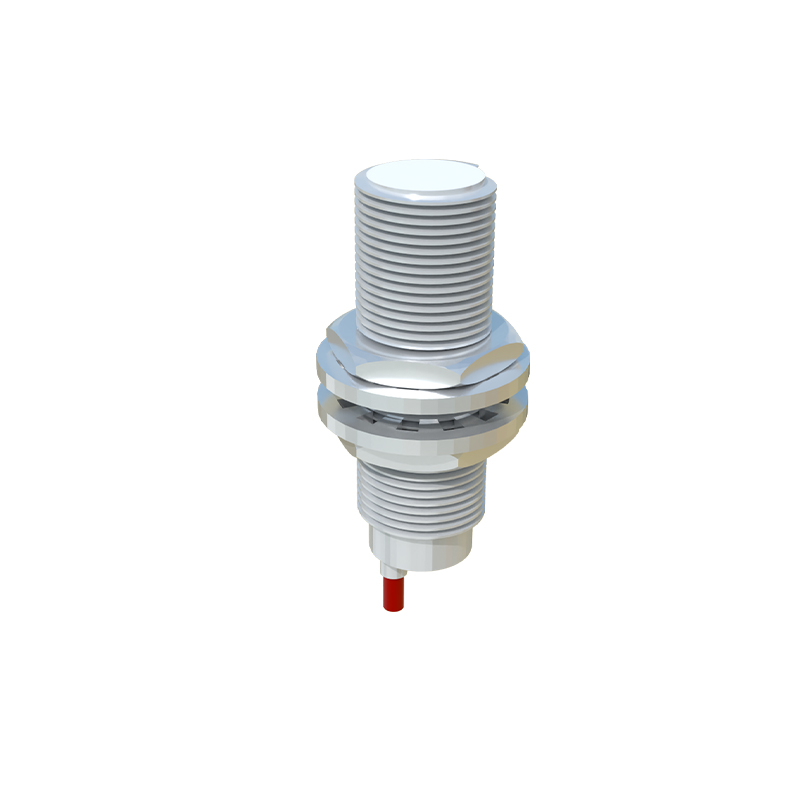
In conclusion, plastic housing proximity sensors represent a sophisticated fusion of reliable sensing technology and advanced material science. Their durability in corrosive settings, design versatility, and economic advantages make them an indispensable component in modern industrial and commercial systems. By understanding their capabilities and carefully matching specifications to application needs, engineers and technicians can leverage these sensors to build more resilient, efficient, and cost-optimized automated solutions.