In the world of automation and smart technology, proximity sensor products are the silent, unseen guardians enabling countless functions. These devices detect the presence or absence of an object within a specific range without any physical contact. Their operation is based on the emission of an electromagnetic field or a beam of radiation, and the sensor looks for changes in the field or return signal. The core value lies in their reliability, speed, and non-contact nature, which prevents wear and tear and allows for use in harsh or sterile environments.
The market offers a diverse range of proximity sensor types, each suited for specific materials and applications. Inductive proximity sensors are among the most common. They generate an oscillating electromagnetic field and detect the eddy current losses caused when a metallic object enters this field. Consequently, they are ideal for detecting metals like steel, aluminum, or copper in industrial settings—think of counting metal parts on a conveyor belt or determining the position of a machine tool. Capacitive proximity sensors, on the other hand, can detect both metallic and non-metallic materials, including liquids, powders, plastics, and wood. They function by measuring changes in capacitance. This makes them perfect for level detection in tanks, monitoring material presence in hoppers, or touch-sensitive control panels.
For longer-range detection, photoelectric sensors are the go-to choice. These emit a light beam (visible red, infrared, or laser) and detect its reflection or interruption. They are categorized into through-beam, retro-reflective, and diffuse reflective types. Through-beam models offer the longest range and highest reliability, used in safety curtains and complex material handling. Diffuse sensors are popular for object detection on packaging lines. Ultrasonic proximity sensors use sound waves beyond human hearing. They measure the time taken for an echo to return and are excellent for detecting objects of any material, shape, or color, and are unaffected by dust, smoke, or light. They are widely used for distance measurement, liquid level control, and presence detection in challenging conditions.
Selecting the right proximity sensor product requires careful consideration of several key parameters. The sensing range, or the maximum distance at which the sensor can reliably detect a standard target, is fundamental. The target material is equally critical; choosing an inductive sensor for plastic will yield no result. Environmental factors like temperature, humidity, and potential exposure to chemicals or washdowns dictate the required housing material and ingress protection (IP) rating. The output type—typically NPN (sinking) or PPN (sourcing) transistor, or a relay contact—must be compatible with the control system (PLC, microcontroller). Response time, the speed at which the sensor reacts to a target, is vital for high-speed applications. Finally, the physical size and mounting style (threaded barrel, rectangular) must fit the mechanical design.
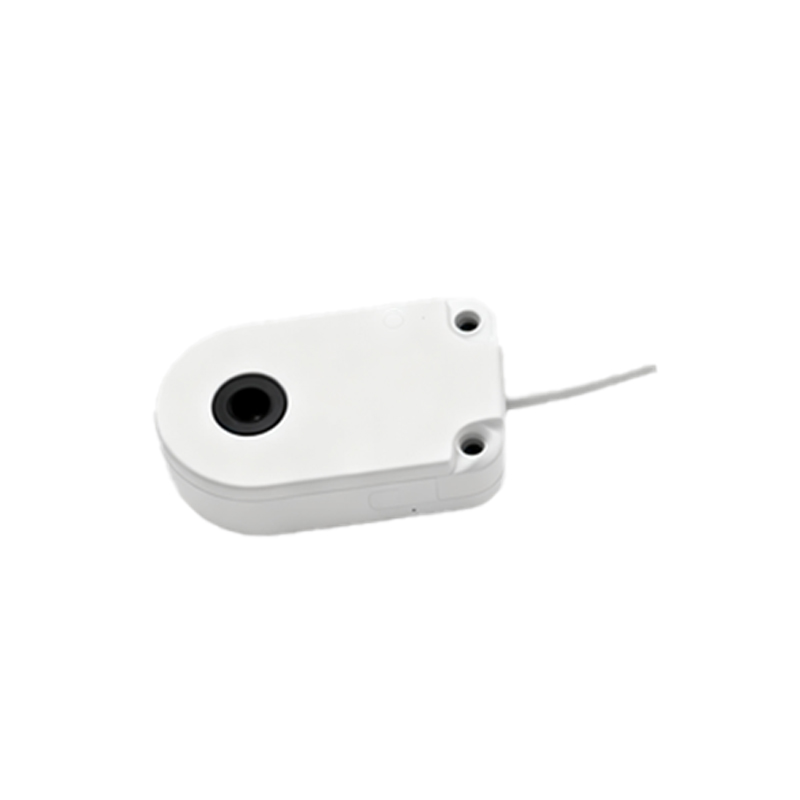
The applications of proximity sensors are virtually limitless. In automotive manufacturing, they ensure robotic arms weld at precise locations. In consumer electronics, they deactivate smartphone touchscreens during calls to save power and prevent accidental touches. In the food and beverage industry, stainless steel capacitive sensors monitor liquid levels. In security systems, they form the basis of occupancy detection and automatic doors. As Industry 4.0 and the Internet of Things (IoT) advance, modern proximity sensors are becoming smarter, with integrated IO-Link communication for diagnostics, parameter setting, and process data exchange, enabling predictive maintenance and deeper system integration.
When integrating these sensors, proper installation is key to optimal performance. Users must ensure the sensor is not mounted too close to metal surfaces (for inductive types) to avoid shielding effects, and should account for the hysteresis—the difference between the switch-on and switch-off points. Regular maintenance, though minimal, involves keeping the sensing face clean from debris, oil, or dust buildup that could impair function. Understanding these fundamentals empowers engineers, technicians, and procurement specialists to specify and deploy the correct proximity sensor product, enhancing efficiency, safety, and automation intelligence across all sectors.