In the realm of industrial automation and control, proximity sensing is a fundamental technology enabling non-contact detection of objects. Among the various types, permanent magnet proximity sensors stand out for their simplicity, reliability, and robustness in demanding environments. This article delves into the operational principles, key characteristics, diverse applications, and critical selection criteria for these essential components.
At its core, a permanent magnet proximity sensor operates on the principle of magnetic field interaction. The sensor itself contains a reed switch or a solid-state Hall-effect sensing element. When a permanent magnet (the "actuator") is brought within a specified range, the magnetic field causes the reed contacts to close or triggers the Hall-effect chip to change state. This action completes or alters an electrical circuit, generating a discrete output signal—typically a simple ON/OFF switch. The absence of mechanical contact between the sensor and the actuator is the defining advantage, eliminating wear and tear and ensuring a long operational life, often rated for millions of cycles.
The performance of a permanent magnet sensor is defined by several key parameters. The most crucial is the operating distance or sensing range, which specifies the maximum distance at which the magnet can reliably actuate the sensor. This range is influenced by the strength (grade) and size of the magnet, as well as the sensitivity of the sensing element. Switching hysteresis is another important characteristic; it is the difference between the switch-on point (as the magnet approaches) and the switch-off point (as it moves away). This feature prevents signal chatter when the magnet is positioned at the exact switching boundary. Furthermore, these sensors are valued for their environmental immunity. They are inherently sealed, making them resistant to dust, dirt, oil, moisture, and even submersion in many cases. They are unaffected by non-ferrous materials like aluminum, plastic, or wood passing between the magnet and sensor, a significant benefit in complex machinery.
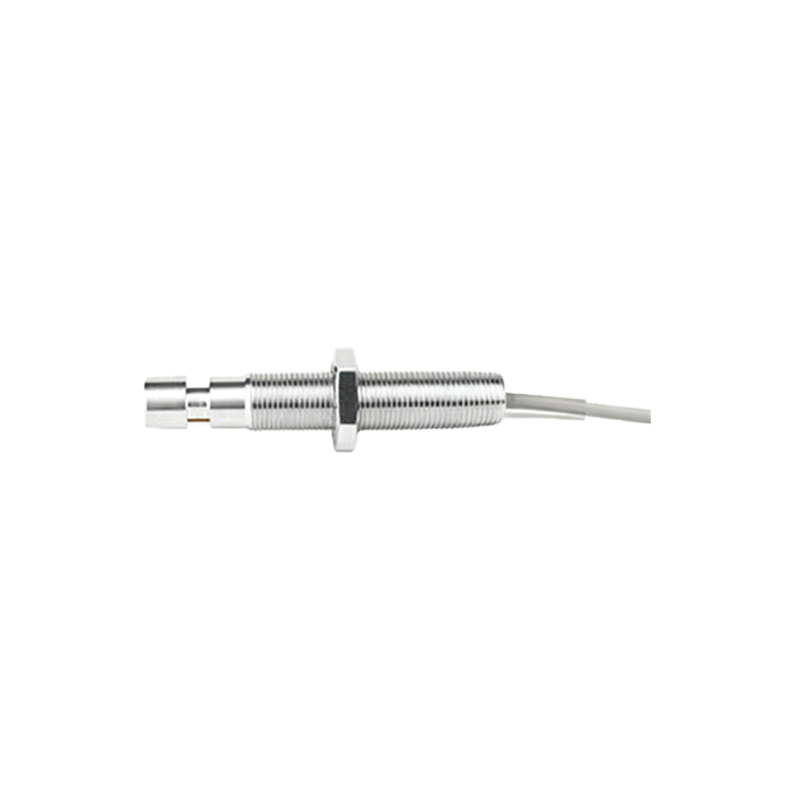
Applications for permanent magnet proximity sensors are vast and span numerous industries. A classic example is in door and gate position monitoring for security systems, elevators, or industrial cabinets, where they confirm whether an access point is fully closed or ajar. In fluid power systems, they are commonly integrated into hydraulic or pneumatic cylinders as end-of-stroke sensors, providing precise feedback on piston position without external mechanical linkages. They are indispensable in material handling for detecting the position of trolleys on monorails or the open/closed status of hopper gates. In automotive manufacturing and assembly lines, they monitor the position of fixtures, clamps, and robotic end-effectors. Their robustness also makes them ideal for harsh environments found in agricultural machinery, construction equipment, and marine applications.
Selecting the right permanent magnet proximity sensor requires careful consideration of the application's specifics. First, determine the required sensing distance and choose a magnet-sensor pair rated accordingly, often with a safety margin. The physical size and form factor of both the sensor and magnet must be compatible with the available mounting space. Electrical requirements are paramount: the output type (e.g., normally open, normally closed, changeover), voltage rating, current capacity, and wiring configuration (2-wire, 3-wire) must match the control system. The housing material, typically stainless steel, brass, or engineered plastics like PBT, should be selected based on the environmental conditions, including exposure to chemicals, temperature extremes, and potential mechanical impact. For high-speed or high-vibration applications, a solid-state Hall-effect sensor is generally preferred over a reed switch due to its faster response time and greater resistance to physical shock.
In conclusion, permanent magnet proximity sensors offer a uniquely durable and straightforward solution for non-contact position sensing. Their operation, based on fundamental magnetic principles, grants them exceptional reliability and environmental resilience. By understanding their operating principles, key specifications, and the factors involved in proper selection, engineers and technicians can effectively leverage these sensors to enhance the safety, efficiency, and reliability of automated systems across a multitude of sectors. Their continued evolution, particularly in miniaturization and integration with digital interfaces, ensures they will remain a cornerstone of industrial sensing for the foreseeable future.