In the rapidly evolving landscape of industrial automation and smart systems, intelligent proximity sensors have become indispensable components. These advanced devices detect the presence or absence of objects without physical contact, leveraging cutting-edge technologies to enhance precision, reliability, and connectivity. Unlike traditional sensors, intelligent variants incorporate embedded processing capabilities, communication interfaces, and adaptive features, making them pivotal in Industry 4.0 and IoT-driven environments. This article explores the primary types of intelligent proximity sensors, their operational principles, key applications, and emerging trends shaping their future.
The most common types of intelligent proximity sensors include inductive, capacitive, ultrasonic, and photoelectric sensors. Inductive proximity sensors are widely used for detecting metallic objects. They generate an electromagnetic field and sense changes caused by conductive materials. Modern intelligent inductive sensors often feature IO-Link communication, enabling real-time data exchange on parameters like switching distance, temperature, and diagnostics. This allows for predictive maintenance and seamless integration into networked systems. Capacitive proximity sensors, on the other hand, can detect both metallic and non-metallic materials, including liquids and granular substances. By measuring changes in capacitance, they are ideal for level detection or material handling in packaging and food processing industries. Intelligent capacitive sensors may include self-calibration functions and adjustable sensitivity via software, reducing setup time and improving adaptability.
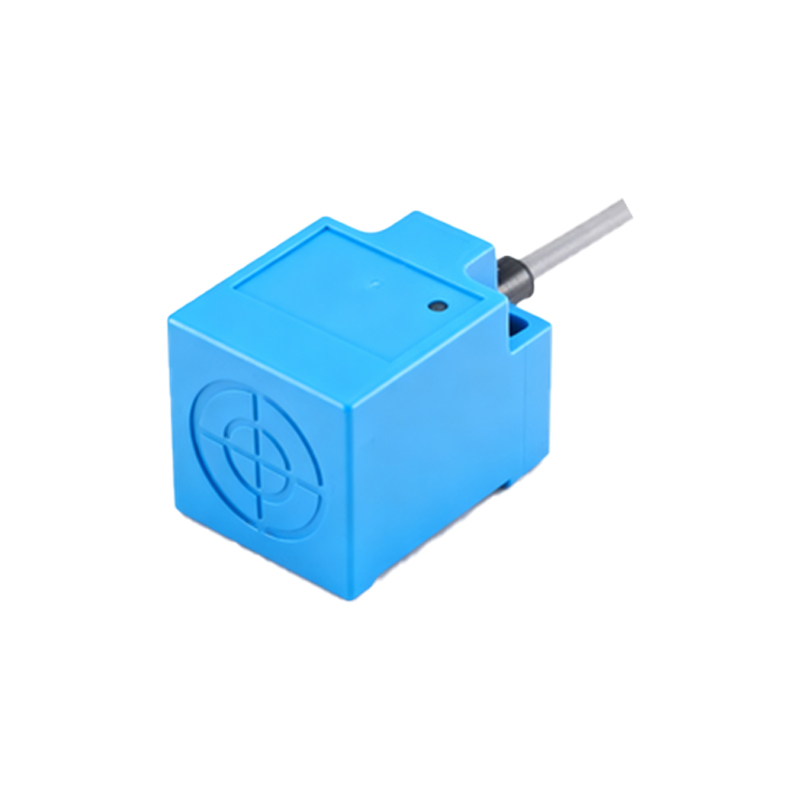
Ultrasonic proximity sensors utilize sound waves to measure distance or detect objects, regardless of material composition. They are highly effective in challenging environments with dust, moisture, or varying lighting conditions. Intelligent ultrasonic sensors often incorporate advanced algorithms for echo processing, enabling features like background suppression, multi-object tracking, and temperature compensation. These sensors are commonly deployed in automotive assembly lines, warehouse automation, and robotic guidance systems. Photoelectric proximity sensors operate by emitting a light beam (usually infrared, visible, or laser) and detecting its reflection or interruption. They offer long sensing ranges and high speed, suitable for precise positioning and counting applications. Intelligent photoelectric sensors may include programmable logic, adaptive teach-in modes, and Ethernet connectivity, facilitating remote configuration and data logging.
The intelligence in these sensors stems from integrated microprocessors, digital signal processing, and smart communication protocols. Key functionalities include condition monitoring, self-diagnostics, parameter storage, and interoperability with industrial networks like PROFINET, EtherNet/IP, or Modbus TCP. For instance, an intelligent proximity sensor can alert operators to potential failures, such as lens contamination in photoelectric sensors or coil degradation in inductive sensors, thereby minimizing downtime. Additionally, data from these sensors can be aggregated into cloud platforms for analytics, optimizing overall equipment effectiveness (OEE) and enabling predictive maintenance strategies.
Applications of intelligent proximity sensors span diverse sectors. In manufacturing, they ensure precise positioning of components on conveyor belts, monitor robotic arm movements, and verify part presence in assembly processes. The automotive industry relies on them for weld seam tracking, door closure detection, and automated quality inspections. In logistics, sensors facilitate parcel sorting, palletizing, and inventory management by detecting items on shelves or conveyor systems. Smart buildings utilize capacitive or ultrasonic sensors for occupancy detection, lighting control, and touchless interfaces. Moreover, agricultural automation employs these sensors for equipment guidance and material level sensing in silos.
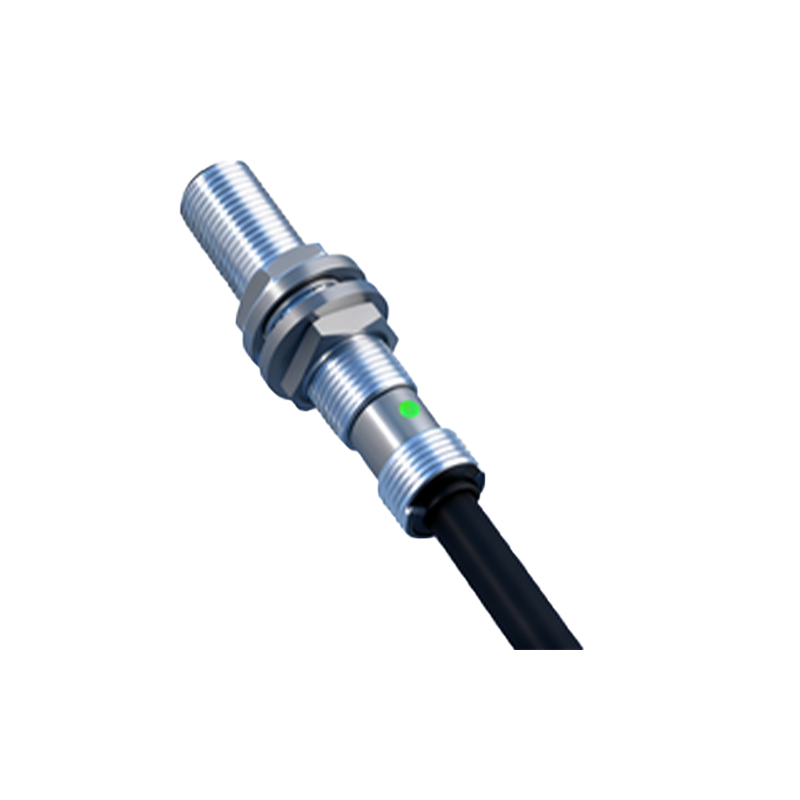
Future trends in intelligent proximity sensor technology focus on enhanced miniaturization, energy efficiency, and AI integration. Sensors are becoming smaller yet more powerful, allowing installation in compact spaces. Energy-harvesting capabilities, such as using ambient vibrations or light, are being explored to support wireless sensor networks. The incorporation of artificial intelligence and edge computing enables sensors to perform local data analysis, recognize patterns, and make autonomous decisions. For example, an AI-enhanced photoelectric sensor could distinguish between different object shapes or colors, adding a layer of cognitive ability. Furthermore, cybersecurity features are gaining importance to protect sensor data in interconnected systems. Standardization efforts, like the continued adoption of IO-Link, promise greater plug-and-play compatibility and simplified lifecycle management.
In conclusion, intelligent proximity sensors represent a convergence of sensing, processing, and communication technologies. They not only detect objects but also provide valuable insights into system health and performance. As industries advance toward greater automation and digitalization, these sensors will play a crucial role in enabling flexible, efficient, and intelligent operations. Understanding their types and capabilities is essential for engineers and decision-makers aiming to leverage smart sensor solutions in modern industrial applications.