In the realm of industrial automation and additive manufacturing, laser powder sensors play a pivotal role in ensuring process stability, material efficiency, and final product quality. These sophisticated devices monitor powder bed levels, flow rates, and distribution with high precision. Today, we conduct a detailed teardown analysis of a representative industrial-grade laser powder sensor, revealing the engineering principles and component architecture that enable its critical function.
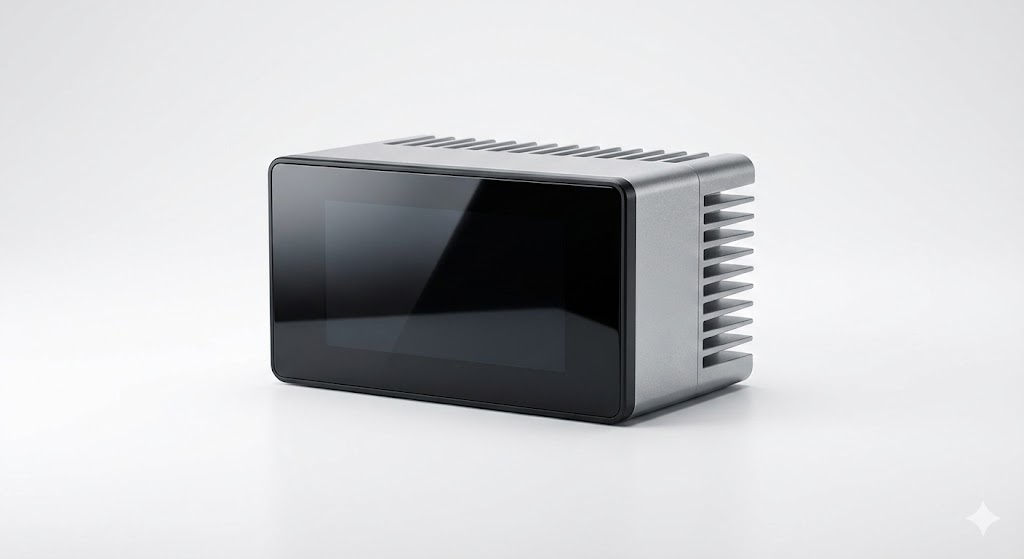
Our subject is a commonly deployed model designed for metal powder applications in selective laser melting (SLM) systems. The external housing is a robust, anodized aluminum cylinder, rated IP67 for dust and moisture ingress protection. The first step involves removing the front optical window, secured by a threaded retaining ring. This window is made of coated sapphire glass, chosen for its exceptional hardness and transparency at the sensor's specific laser wavelength, typically in the near-infrared range. Behind it lies the heart of the emission module.
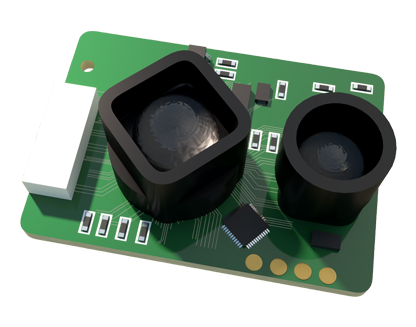
Disassembling the main body reveals a clear segregation of optical and electronic subsystems. The laser diode module is housed in a thermally conductive copper mount, actively connected to a small Peltier cooler. This temperature stabilization is crucial for maintaining a consistent laser output wavelength and power, as fluctuations directly impact measurement accuracy. The diode emits a collimated beam, which first passes through a beam-shaping aspheric lens. Adjacent to the emission path, we find the receiver's optical assembly. This consists of a high-sensitivity photodiode or an avalanche photodiode (APD) for low-light conditions, preceded by a narrow-band optical filter. This filter is meticulously tuned to the laser's emission wavelength, effectively blocking ambient light from the harsh industrial environment, such as the glare from the laser melting process itself.
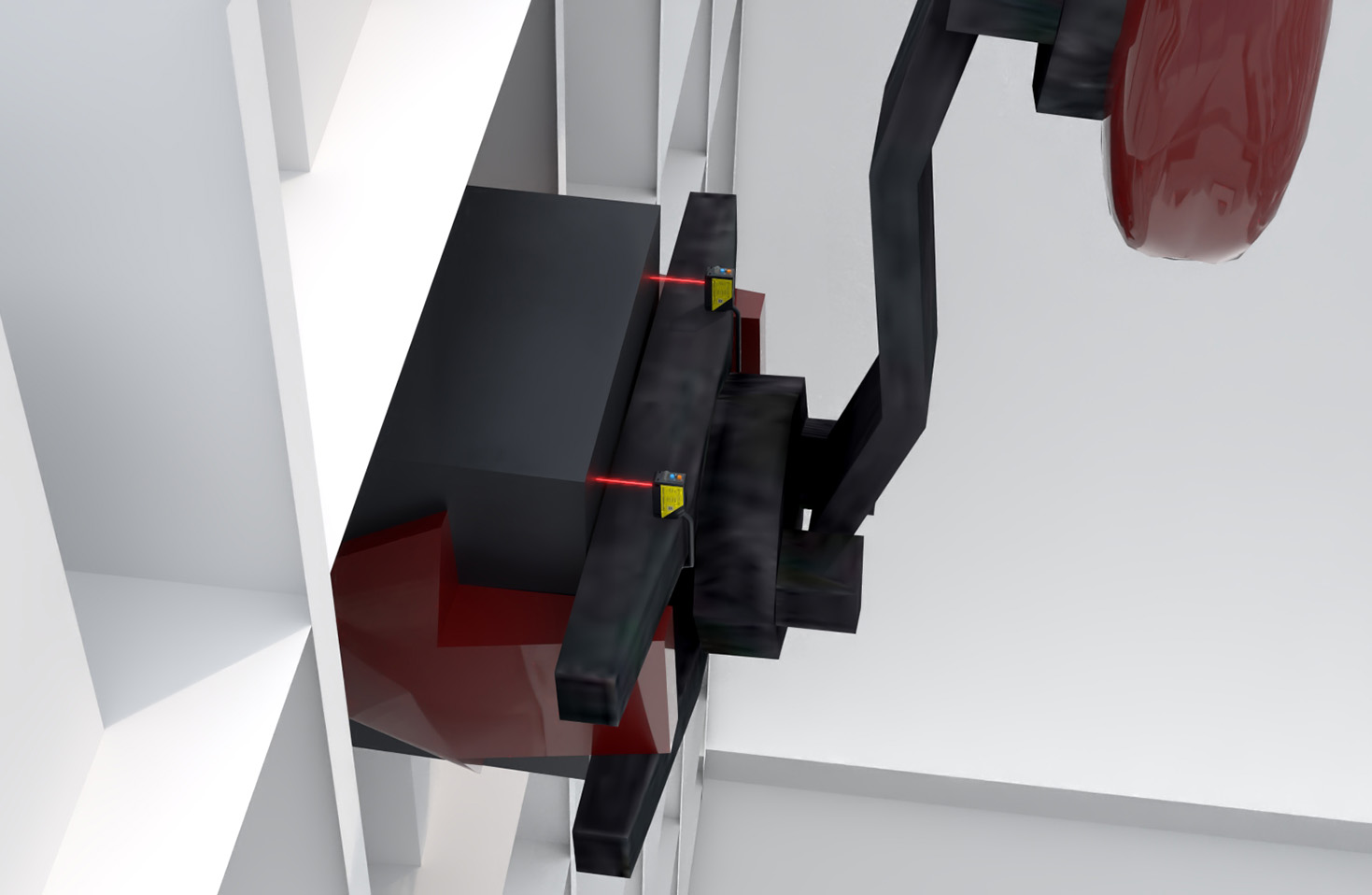
The core of the sensor's intelligence lies in its time-of-flight (ToF) or phase-shift measurement principle. The control board, a multi-layer PCB with conformal coating, features a dedicated high-speed timing integrated circuit or an FPGA. This chip generates the modulation signal for the laser diode—often a sine wave or pulsed signal—and simultaneously starts a precision timer. The photodiode detects the faint reflected signal from the powder surface. The timing IC then calculates the phase difference or time delay between the emitted and received signals. This data is directly proportional to the distance to the powder bed. Signal processing algorithms, likely embedded in a separate microcontroller, filter out noise and convert the raw timing data into a precise distance measurement.
Power regulation is handled by a separate section of the PCB, featuring switching regulators to provide clean, stable voltages to the sensitive analog and digital components. Communication is typically facilitated via industry-standard digital interfaces; in this unit, we identify both a RS-485 transceiver for robust long-distance networking and an isolated digital I/O block for direct PLC integration. All internal wiring uses shielded cables, with ferrite beads on power lines to suppress electromagnetic interference, a critical design consideration in electrically noisy manufacturing settings.
Notable design observations include the use of O-rings at every housing junction, ensuring the sealed integrity of the internal nitrogen-purged environment. This prevents powder infiltration, which could scatter the laser beam or coat optical surfaces. The lens assemblies are potted with a clear, stable epoxy to prevent misalignment from vibration, a common challenge on powder handling machinery.
Reassembly underscores the precision required. Each optical component must be aligned to micron-level tolerances to ensure the coaxiality of the emitted laser and the receiver's field of view. A final calibration against certified distance targets would be performed before returning the sensor to service.
In conclusion, this teardown illustrates that a laser powder sensor is far more than a simple "laser pointer." It is a tightly integrated system of precision optics, thermal management, high-speed electronics, and robust mechanical design. Understanding its internal composition allows maintenance engineers to better diagnose issues—such as gradual signal degradation from window contamination or erratic readings from a failing Peltier cooler—and appreciate the engineering required to deliver reliable, micron-level measurements in the demanding, abrasive world of industrial powders.