In the realm of industrial automation and precision measurement, the 2-meter laser sensor stands as a pivotal technology, enabling non-contact, high-accuracy detection over a significant range. This article delves into the operational principles, diverse applications, and critical factors for selecting the right 2-meter laser sensor for specific engineering needs.
At its core, a 2-meter laser sensor operates on the principle of optical triangulation or time-of-flight (ToF), depending on the model. Triangulation-based sensors project a laser beam onto a target; the reflected light is captured by a receiver at a known angle. Displacement of the target alters the angle of reflection, and sophisticated internal processors calculate the distance with micron-level precision, ideal for applications within the 2-meter range requiring extreme accuracy, such as thickness gauging or surface profiling. Conversely, ToF sensors measure the time taken for a laser pulse to travel to the target and back. This method is highly effective for longer ranges and is commonly used in the 2-meter class for applications like vehicle detection, bulk material level monitoring, and robotic navigation, where speed and robustness are paramount over ultra-fine resolution.
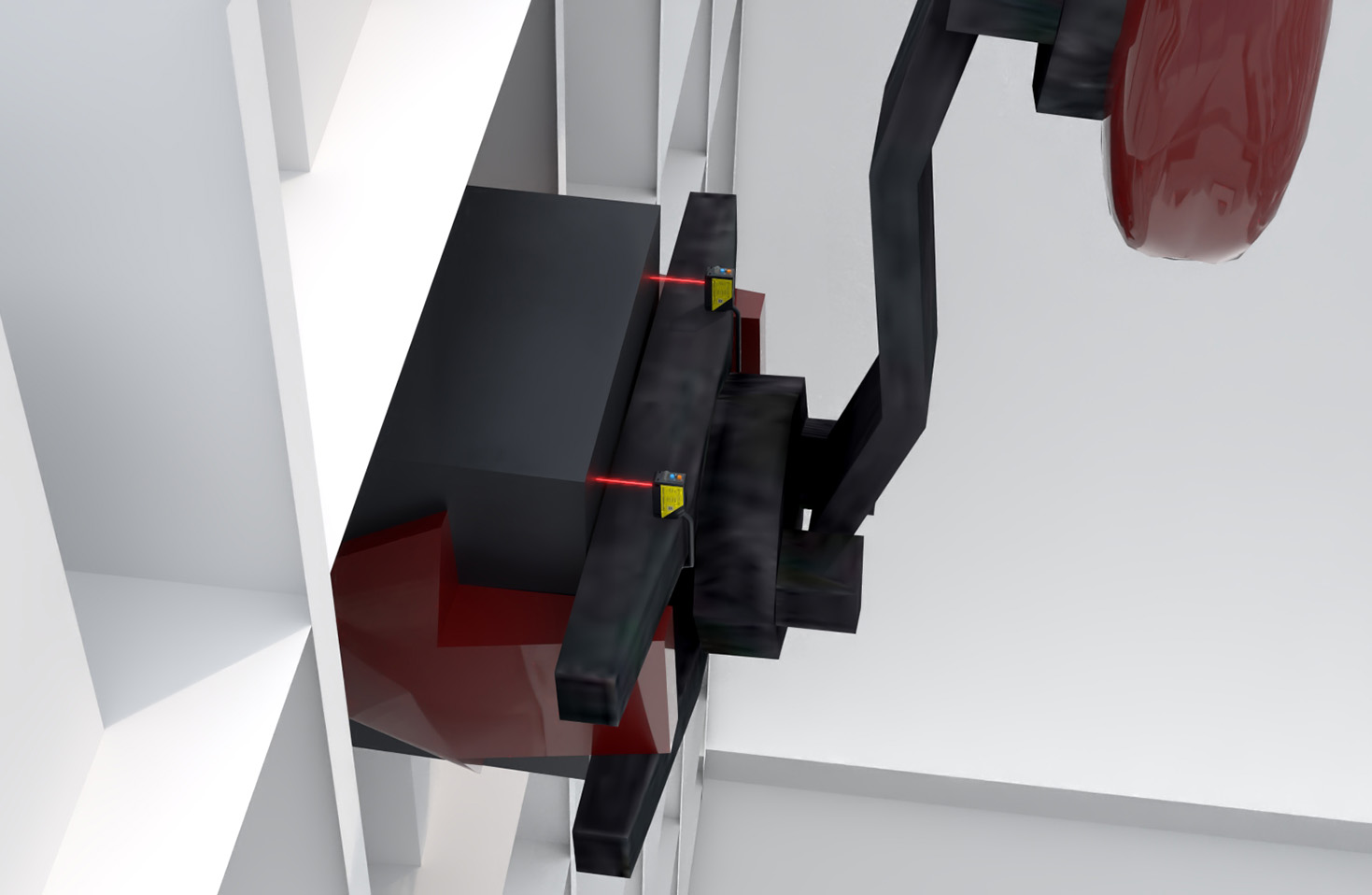
The applications for 2-meter laser sensors are vast and span multiple industries. In manufacturing and assembly lines, they are indispensable for precise positioning, contour scanning, and quality control inspections. For instance, in automotive production, these sensors verify component alignment and measure gap dimensions with unwavering consistency. In logistics and warehousing, they facilitate palletizing, dimensioning packages, and guiding automated guided vehicles (AGVs) through dynamic environments. Furthermore, in the construction and agricultural sectors, 2-meter laser sensors are deployed for terrain mapping, obstacle avoidance in autonomous machinery, and monitoring stockpile volumes. Their ability to function reliably in challenging conditions—withstanding vibrations, temperature fluctuations, and ambient light interference—makes them a versatile tool for engineers.
Selecting an appropriate 2-meter laser sensor requires careful consideration of several technical parameters. First, determine the required measurement accuracy and repeatability. Triangulation sensors offer superior resolution for short to medium ranges within 2 meters, while ToF sensors provide good accuracy over the entire range with faster response times. Second, evaluate the target surface properties. Diffuse surfaces like matte paint scatter light effectively, whereas shiny or transparent materials may require sensors with specialized algorithms or coaxial designs to prevent erroneous readings. Third, assess the environmental conditions. Key specifications include the sensor's ingress protection (IP) rating for dust and moisture resistance, operating temperature range, and immunity to ambient light. Fourth, consider the output interface—common options are analog (4-20 mA, 0-10 V), digital (RS-232, RS-485), or industrial Ethernet protocols (EtherNet/IP, PROFINET)—to ensure seamless integration with existing PLCs or control systems. Finally, factors like mounting flexibility, laser safety class (typically Class 2, which is eye-safe under normal operating conditions), and long-term maintenance needs should influence the decision.
In conclusion, the 2-meter laser sensor is a cornerstone of modern industrial measurement, offering a blend of range, precision, and durability. By understanding its underlying technologies—triangulation for high-precision tasks and time-of-flight for robust, longer-range applications—engineers can harness its full potential. A methodical selection process focused on accuracy needs, target characteristics, environmental robustness, and system integration is crucial for deploying a sensor that delivers reliable performance, enhances operational efficiency, and drives innovation across countless automated processes. As technology advances, we can anticipate even more compact, intelligent, and versatile 2-meter laser sensors emerging to meet the evolving demands of Industry 4.0.