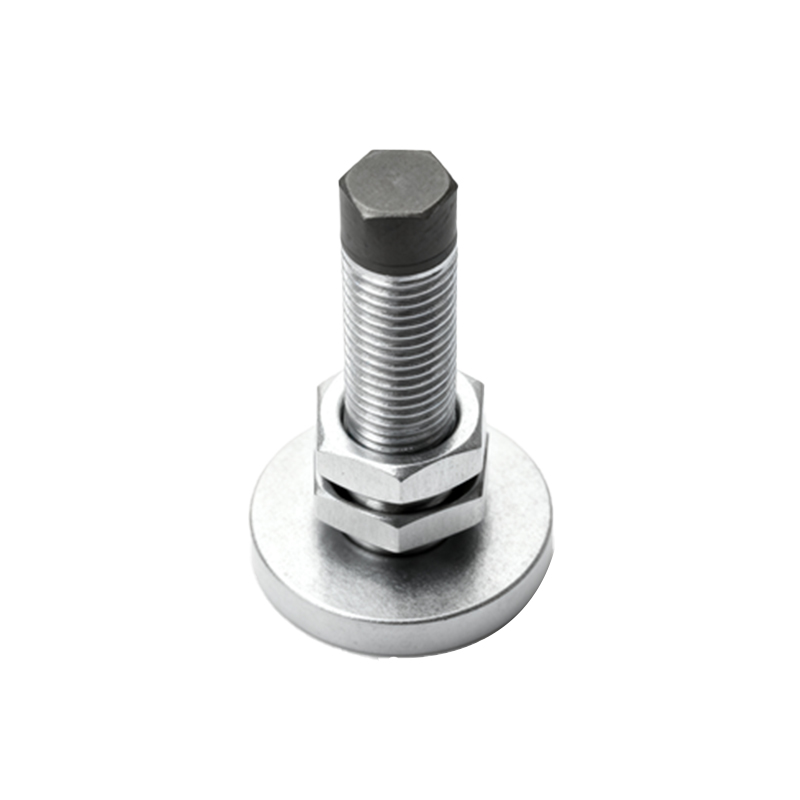
Micro proximity sensors are essential components in automation and industrial control systems, designed to detect the presence or absence of objects without physical contact. These compact devices operate based on various principles, with electromagnetic and capacitive sensing being the most common. Electromagnetic micro proximity sensors, often referred to as inductive sensors, generate an oscillating electromagnetic field. When a metallic object enters this field, eddy currents are induced, causing a change in the sensor's oscillation amplitude. This alteration is detected by the internal circuitry, which then triggers an output signal. These sensors are highly effective for detecting metals and are widely used in manufacturing lines for position verification, counting, and safety applications.
Capacitive micro proximity sensors, on the other hand, function by measuring changes in capacitance. They generate an electrostatic field and monitor its interaction with nearby objects. When any material—whether conductive or non-conductive—enters the field, it alters the capacitance, prompting the sensor to activate. This versatility makes capacitive sensors suitable for detecting liquids, plastics, and other non-metallic substances, commonly applied in packaging, level sensing, and material handling.
Another notable type is the photoelectric micro proximity sensor, which uses light beams to detect objects. These sensors emit infrared or visible light and measure the reflection or interruption of the beam. Photoelectric sensors offer long detection ranges and high precision, ideal for clean environments like electronics assembly or pharmaceutical production. Despite their small size, micro proximity sensors incorporate advanced features such as adjustable sensitivity, embedded diagnostics, and robust housing to withstand harsh industrial conditions like dust, moisture, and temperature fluctuations.
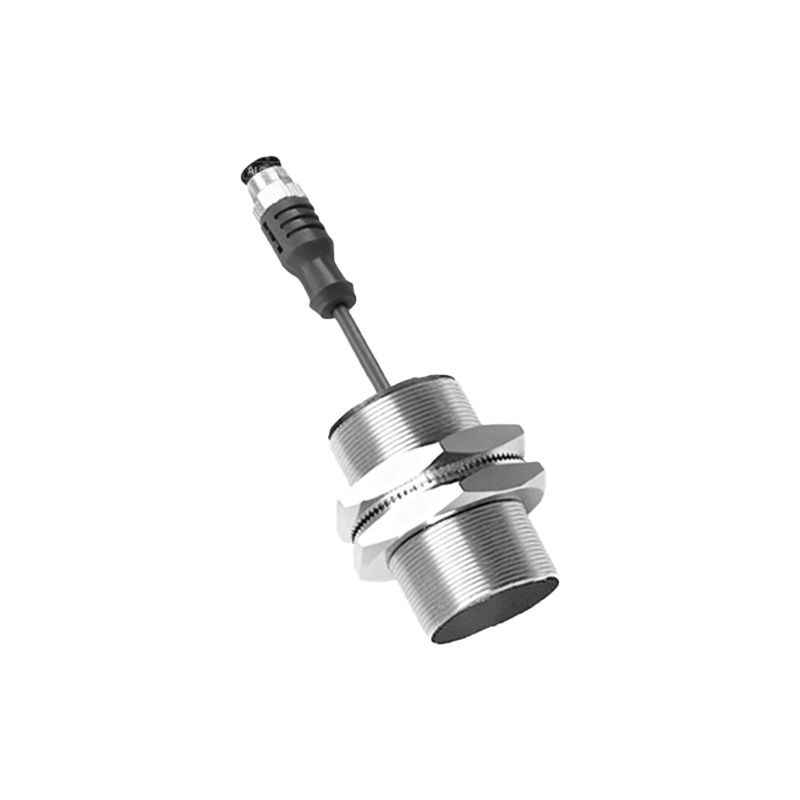
The working mechanism involves three key stages: field generation, disturbance detection, and signal processing. In inductive sensors, a coil connected to an oscillator creates the electromagnetic field. The detection circuit continuously monitors the field's state, and upon disturbance, it sends a signal to an output switch, often a transistor or relay. Similarly, capacitive sensors use electrode plates to form the electrostatic field, with changes measured by a bridge circuit. Modern micro proximity sensors integrate microcontrollers for enhanced functionality, enabling programmable logic, communication protocols (e.g., IO-Link), and self-monitoring capabilities to predict maintenance needs.
Applications span across diverse industries. In automotive manufacturing, micro proximity sensors ensure precise part alignment in robotic arms. In consumer electronics, they enable touchless interfaces and battery management. Their low power consumption and miniaturization have also fueled adoption in IoT devices and smart appliances. When selecting a micro proximity sensor, factors like sensing range, response time, environmental resistance, and output type (e.g., NPN/PNP) must be considered to match specific operational demands.
In summary, micro proximity sensors leverage electromagnetic, capacitive, or photoelectric principles to provide reliable, non-contact detection. Their compact design and adaptability drive efficiency in automation, contributing to smarter, safer industrial systems. As technology evolves, these sensors continue to advance with features like wireless connectivity and AI integration, further expanding their role in the digital transformation of industries.