Elevator laser sensors represent a critical advancement in modern vertical transportation systems, providing unparalleled precision in position detection, door operation, and safety monitoring. These sensors operate based on the fundamental principles of laser technology, utilizing coherent light beams to measure distances, detect obstacles, and ensure seamless elevator functionality.
At the core of an elevator laser sensor is a laser diode that emits a focused beam of light, typically in the visible or infrared spectrum. This beam is directed toward a target, such as the elevator car, shaft walls, or doorways. When the light strikes a surface, it reflects back to a photodetector within the sensor. By calculating the time it takes for the light to travel to the target and return (known as time-of-flight measurement), the sensor determines the exact distance with millimeter accuracy. This data is crucial for precise floor leveling, ensuring the elevator stops exactly flush with each floor.
In elevator door systems, laser sensors play a vital role in safety and efficiency. They are installed near door edges to create an invisible curtain of laser beams. If an object or passenger interrupts this beam while the doors are closing, the sensor immediately signals the control system to reopen the doors, preventing accidents. This non-contact detection method is more reliable than traditional mechanical sensors, as it avoids wear and tear and reduces maintenance needs.
Another application is in shaft monitoring, where laser sensors scan the elevator shaft for obstructions or misalignments. By continuously measuring distances to shaft walls and guide rails, these sensors can detect anomalies that might indicate wear or potential failures, allowing for proactive maintenance. This enhances overall system safety and reduces downtime.
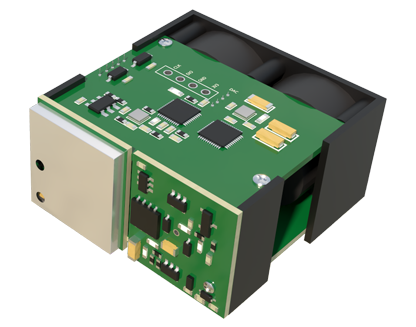
The advantages of laser sensors in elevators include high accuracy, fast response times, and immunity to environmental factors like dust or humidity, which can affect other sensor types. However, they require careful calibration and alignment to function optimally. Modern sensors often incorporate microprocessors that process data in real-time, integrating with elevator control systems for automated adjustments.
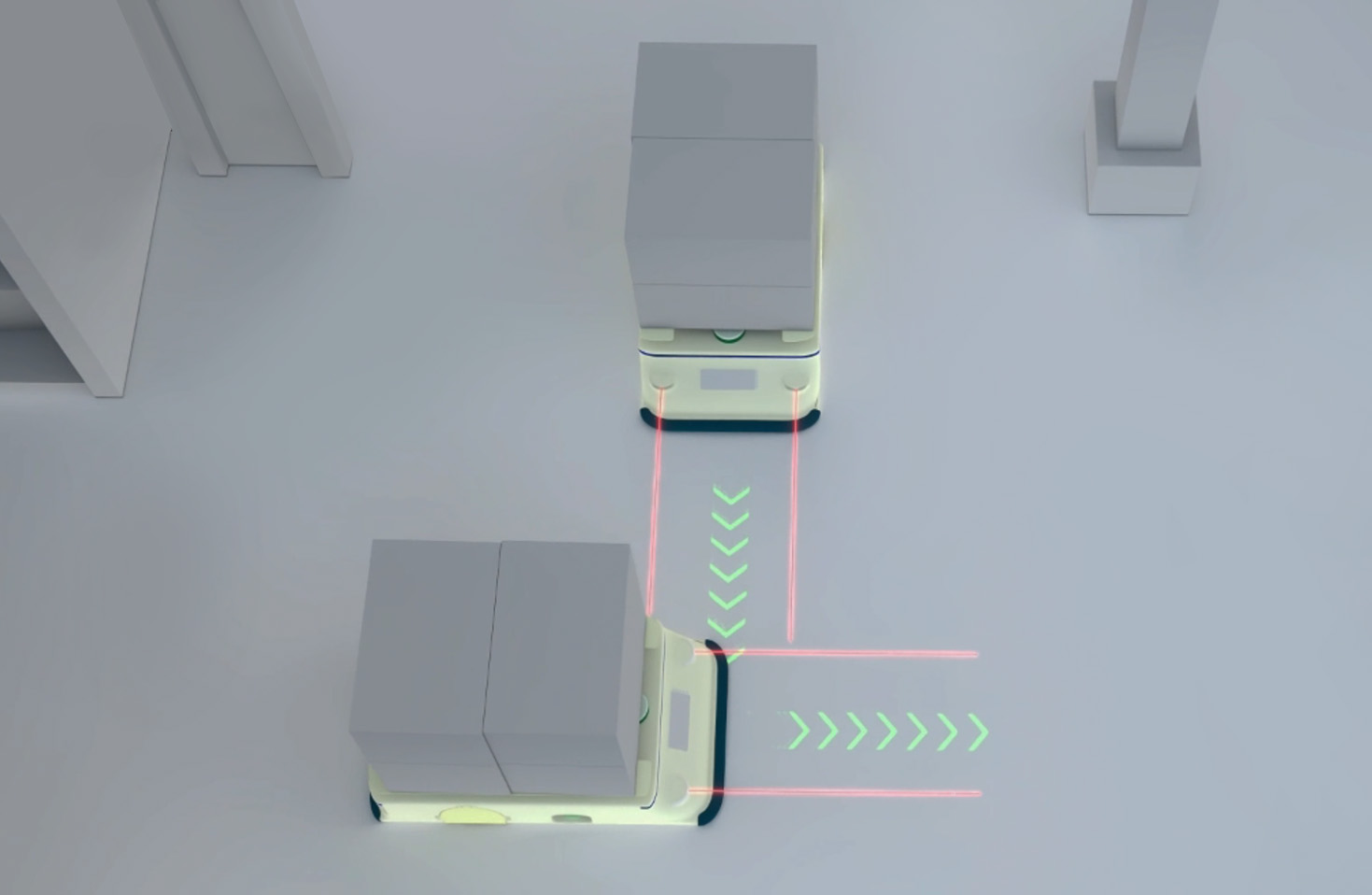
In summary, elevator laser sensors leverage advanced optical technology to improve safety, precision, and reliability in vertical transport. As smart building technologies evolve, these sensors are becoming integral to IoT-enabled elevators, contributing to energy efficiency and predictive maintenance strategies. Their role in enhancing passenger experience and operational efficiency underscores their importance in the future of urban mobility.