In the realm of industrial automation, precision measurement is paramount. Among the various technologies enabling this, laser distance sensors have emerged as a critical tool. Cankey, as a notable provider in this field, offers a range of laser distance sensors designed to meet diverse and demanding application requirements. This article delves into the working principles, key features, typical applications, and selection criteria for Cankey laser distance sensors.
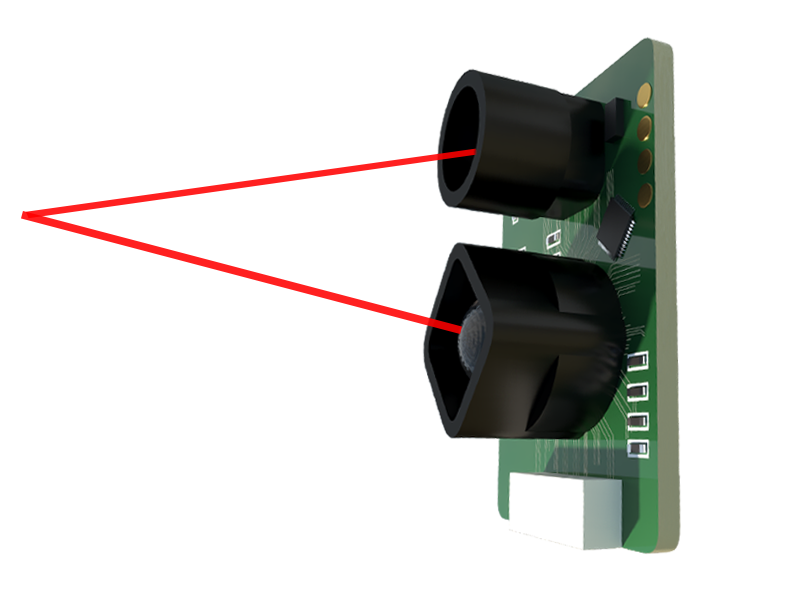
The fundamental principle behind a Cankey laser distance sensor is based on the time-of-flight (ToF) or phase-shift measurement method. In the ToF method, the sensor emits a short pulse of laser light towards a target. The light reflects off the target and returns to a receiver within the sensor. By precisely measuring the time interval between the emission and reception of the laser pulse, and knowing the constant speed of light, the sensor's internal processor calculates the distance to the target with high accuracy. The phase-shift method, often used for even higher precision at shorter ranges, involves modulating the amplitude of the continuous laser beam. The phase difference between the emitted and reflected modulated signal is measured to determine the distance. Cankey sensors are engineered to perform these calculations rapidly and reliably, providing stable and repeatable measurement data.
Key technical features define the performance envelope of Cankey laser sensors. Measurement range is a primary specification, with models available for close-range tasks (a few centimeters) to long-range applications (exceeding 100 meters). Accuracy and resolution are equally critical; high-end Cankey sensors can achieve sub-millimeter accuracy, essential for quality control and positioning tasks. The response time or measurement frequency dictates how quickly the sensor can update its reading, which is vital for dynamic processes or high-speed production lines. Furthermore, many Cankey models boast robust designs with high IP ratings (e.g., IP67), making them resistant to dust, water jets, and capable of withstanding significant vibration and shock, which are common in industrial environments. The laser class (typically Class 2) ensures eye safety during operation.
The application spectrum for Cankey laser distance sensors is vast. In manufacturing and assembly, they are indispensable for precise positioning of robotic arms, measuring part dimensions, verifying fill levels in containers, and controlling the thickness of materials like rolled metal or paper. In logistics and warehousing, these sensors automate palletizing, measure package dimensions for sorting, and manage inventory by monitoring stack heights. The construction and surveying industries utilize them for distance measurement, alignment, and monitoring structural deformations. Even in emerging fields like autonomous mobile robots (AMRs) and AGVs, Cankey sensors provide essential navigation and obstacle detection data.
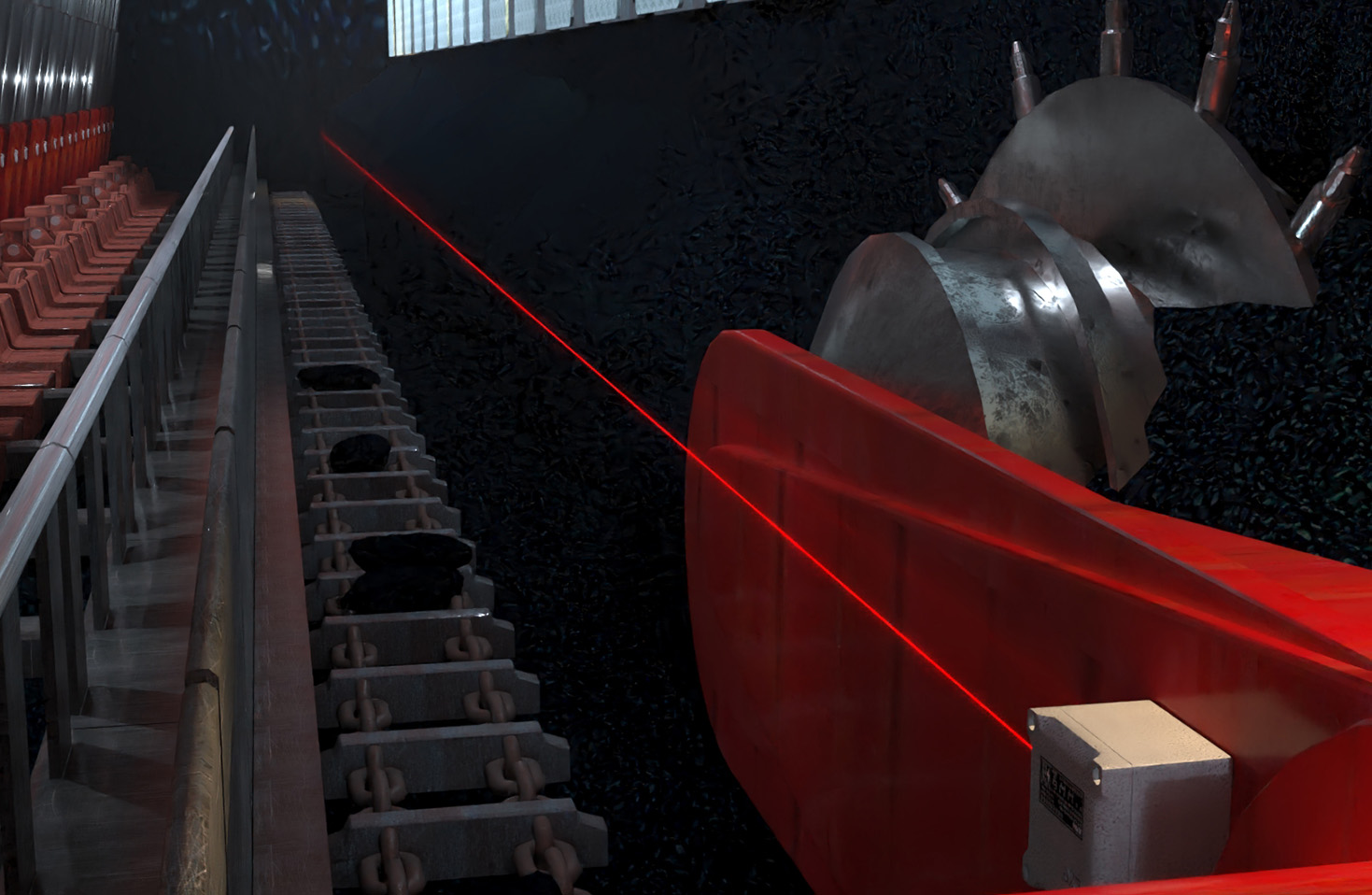
Selecting the right Cankey laser distance sensor requires a careful analysis of the application parameters. First, clearly define the required measurement range and the desired accuracy. It is often advisable to choose a sensor with a range slightly greater than the maximum expected distance to ensure a stable operating window. Second, consider the environmental conditions: will the sensor be exposed to dust, moisture, extreme temperatures, or strong ambient light? Choosing a model with an appropriate IP rating and a powerful laser that can overcome optical interference is crucial. Third, evaluate the required output interface. Cankey sensors typically offer analog outputs (4-20mA, 0-10V), digital interfaces (RS232, RS485), or industrial fieldbus protocols (Profibus, Profinet, EtherCAT) for seamless integration into control systems. Fourth, the physical properties of the target surface matter. Highly reflective, dark, or transparent surfaces can challenge some sensors; therefore, understanding the target's characteristics is necessary, and some Cankey models feature adjustable sensitivity or special modes to handle difficult surfaces.
Installation and maintenance also contribute to optimal performance. Ensure the sensor is mounted securely to minimize vibration. The laser beam should be perpendicular to the target surface for the most accurate reading, unless measuring inclined surfaces is the specific intent. Keep the lens clean from obstructions like dust or oil mist. Regular verification against a known reference distance can help confirm the sensor's calibration remains intact.
In conclusion, Cankey laser distance sensors represent a sophisticated fusion of optical and electronic engineering, delivering non-contact, high-speed, and precise distance measurement solutions. Their robustness and versatility make them a cornerstone technology in modern industrial automation. By thoroughly understanding their operating principles and meticulously matching sensor specifications to application demands, engineers and system integrators can leverage these tools to enhance efficiency, improve product quality, and enable advanced automation processes across countless industries.