In the realm of industrial automation and control systems, proximity switch sensors stand as fundamental components, enabling non-contact detection of objects with high precision and reliability. The manufacturers behind these critical devices are pivotal in driving innovation, ensuring quality, and meeting the diverse demands of modern manufacturing, automotive, packaging, and material handling industries. This article delves into the landscape of these manufacturers, their technological contributions, and the factors defining leadership in this specialized sector.
The global market for proximity sensors is characterized by intense competition and rapid technological evolution. Leading manufacturers are typically those with extensive R&D capabilities, a broad portfolio of products, and a robust global supply chain. Companies like Siemens, Omron, Rockwell Automation, Schneider Electric, and Pepperl+Fuchs have established themselves as frontrunners. These industry giants offer comprehensive ranges of inductive, capacitive, ultrasonic, and magnetic proximity sensors, catering to various applications from detecting metal objects in harsh environments to sensing liquids or plastics in clean settings. Their strength lies not only in product variety but also in integrating sensors with broader automation systems, providing seamless connectivity through protocols like IO-Link, PROFINET, and EtherNet/IP.
Beyond the well-known conglomerates, a significant segment comprises specialized sensor manufacturers who focus intensely on niche applications or advanced technologies. These firms often pioneer innovations in miniaturization, enhanced sensing distances, and exceptional resistance to extreme conditions such as high temperatures, washdowns, or corrosive atmospheres. They compete on deep application engineering support, customization capabilities, and sometimes, superior cost-effectiveness for specific use cases. The manufacturing prowess of these companies is evident in their adherence to stringent international standards (e.g., IEC, UL, ATEX for hazardous areas) and implementation of rigorous quality control processes throughout production.
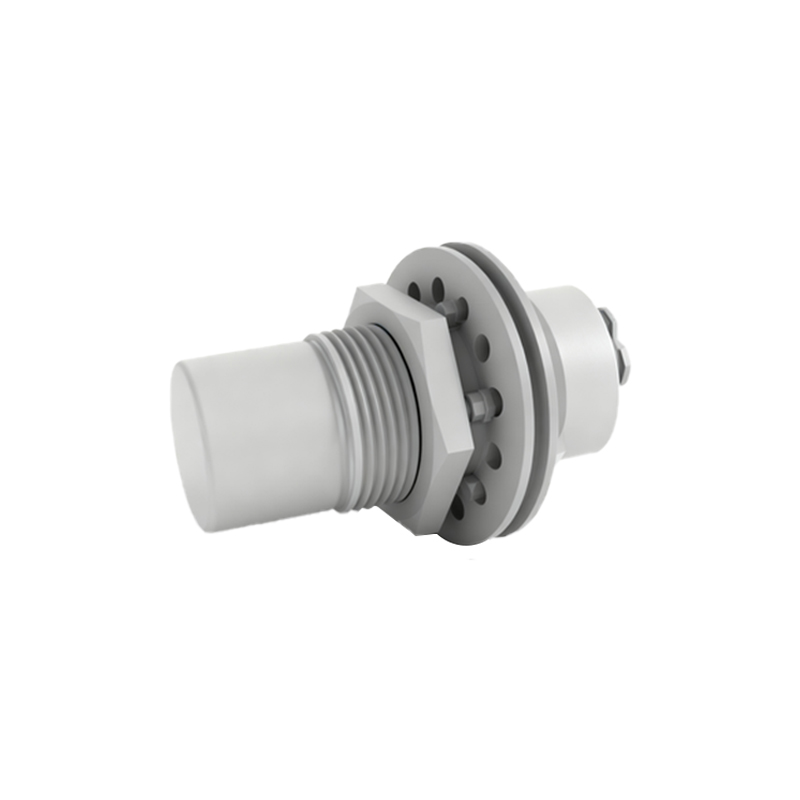
The manufacturing process itself is a testament to precision engineering. It involves sophisticated techniques for coil winding in inductive sensors, precise calibration of oscillation circuits, and the encapsulation of electronics in rugged housings made from materials like nickel-plated brass, stainless steel, or PBT plastic. Advanced manufacturers employ automated assembly lines and thorough testing procedures, including performance checks for switching frequency, repeat accuracy, and temperature drift, to ensure every unit meets published specifications.
A key trend among top-tier manufacturers is the shift towards "smart" sensors. These devices go beyond simple detection, incorporating diagnostic functions that can monitor sensor health, signal strength, or environmental conditions, and communicate this data to control systems for predictive maintenance. This intelligence reduces machine downtime and enhances overall equipment effectiveness (OEE). Furthermore, the demand for miniaturized sensors continues to grow, driven by the need for smaller machinery and more compact designs in electronics assembly and robotics.
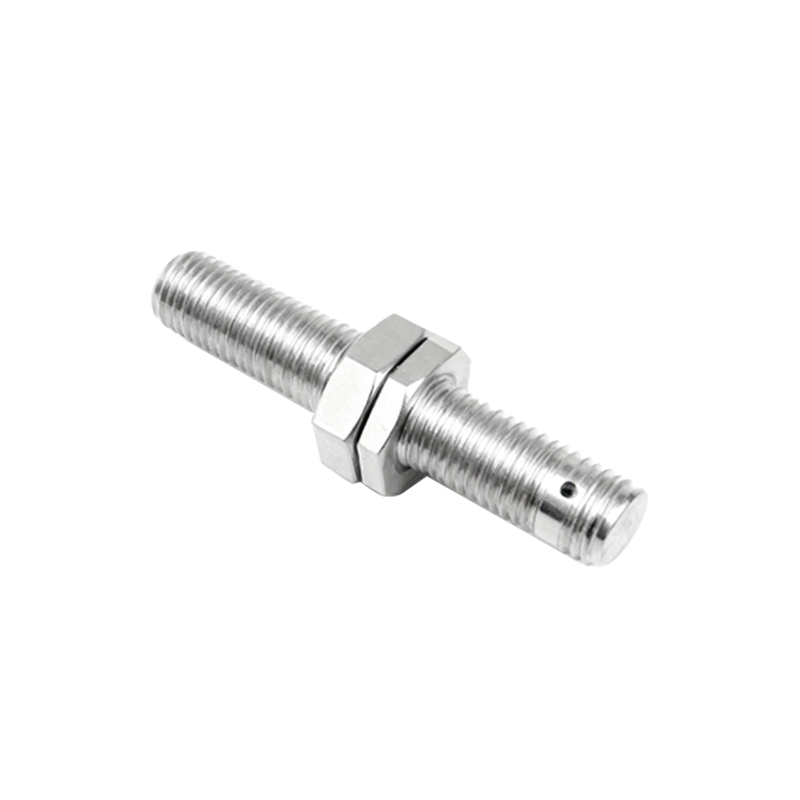
Choosing the right proximity switch sensor manufacturer depends on several critical factors. Technical specifications like sensing range, output type (PNP/NPN, analog, IO-Link), housing size, and environmental protection rating (IP67, IP69K) are primary considerations. Equally important are the manufacturer's reliability, delivery timelines, technical support, and the availability of local distribution and service networks. For mission-critical applications, a manufacturer's proven track record in similar industries becomes a decisive factor.
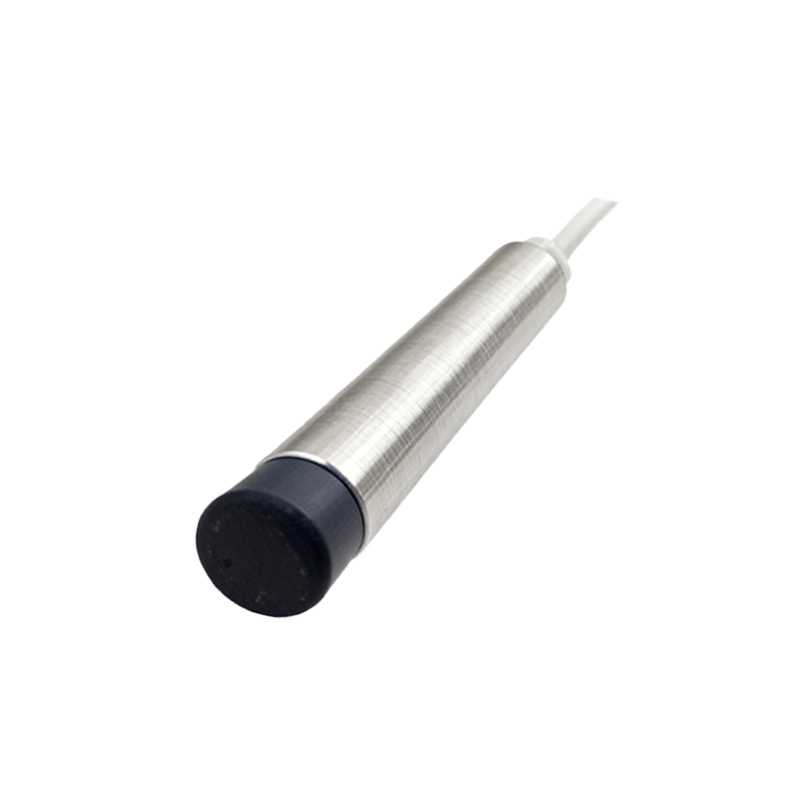
In conclusion, proximity switch sensor manufacturers are the backbone of automated sensing solutions. Their continuous innovation in sensor technology, commitment to quality and durability, and ability to provide integrated, intelligent systems are crucial for the advancement of Industry 4.0 and smart factory initiatives. As automation becomes more pervasive, the role of these manufacturers will only grow in significance, demanding relentless focus on performance, innovation, and customer-centric engineering to solve the complex detection challenges of tomorrow's industries.