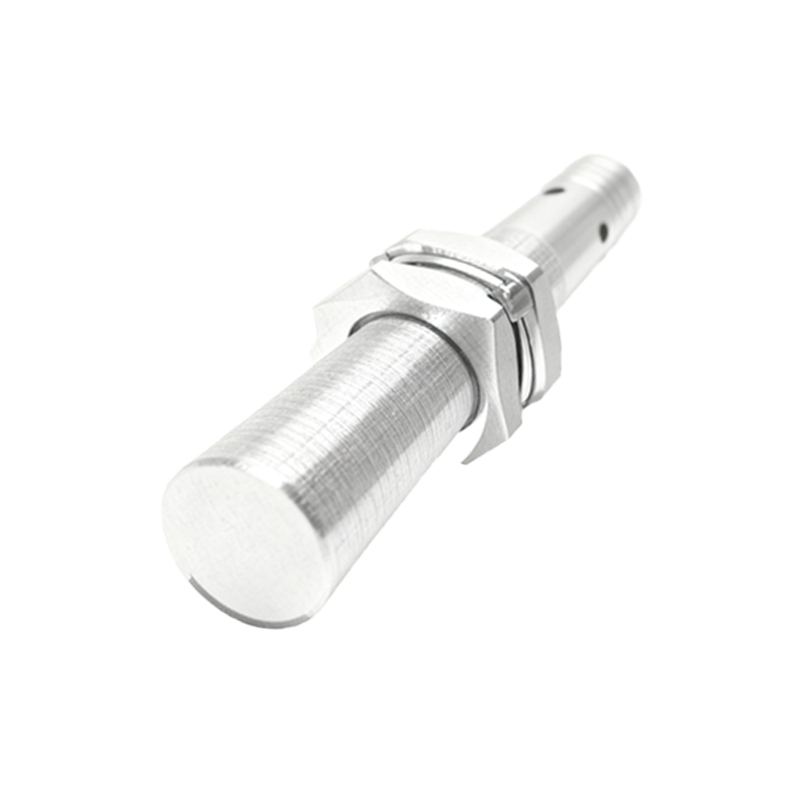
Eddy current proximity sensors represent a cornerstone technology in modern industrial automation and precision measurement. Operating on the principle of electromagnetic induction, these non-contact sensors detect the presence, position, or displacement of conductive metallic targets with exceptional accuracy and reliability. Their fundamental operation involves a high-frequency oscillator circuit generating an alternating magnetic field from a sensing coil housed within the probe. When a conductive target enters this alternating field, it induces circulating currents, known as eddy currents, on the target's surface. These eddy currents, in turn, generate their own opposing magnetic field, which interacts with the original field from the coil. This interaction alters the impedance of the sensing coil, and the sensor's integrated electronics precisely measure this change. The resulting signal is processed to provide a stable, analog or digital output corresponding to the target's distance or presence.
The core advantages of eddy current sensors are numerous. As a non-contact technology, they eliminate mechanical wear, ensuring a long operational life and consistent performance without physical degradation. They are highly responsive, capable of detecting rapid changes in position at high frequencies, making them ideal for dynamic applications like vibration monitoring on rotating shafts or real-time thickness measurement in rolling mills. Furthermore, their operation is largely unaffected by non-conductive intervening materials such as oil, coolant, dust, or even thin non-metallic barriers, allowing for installation in harsh or sealed environments. Unlike capacitive or photoelectric sensors, eddy current sensors are inherently insensitive to contaminants like dirt, grease, and moisture that coat the sensor face, provided the target material remains conductive.
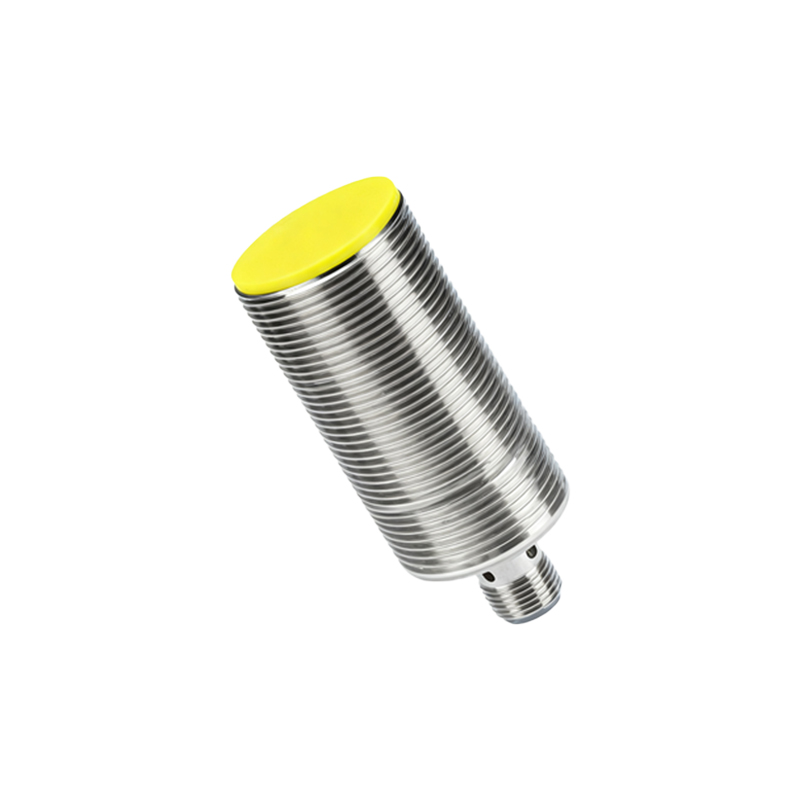
Key performance specifications define their application suitability. The most critical is the sensing range, typically a fraction of the probe diameter, with common ranges from 0.5 mm to 60 mm. Linearity, or the deviation of the output signal from a perfect straight line over the sensing range, is crucial for precise displacement measurement, with high-end models offering linearity better than 0.5% of full scale. Resolution, the smallest detectable change in distance, can reach sub-micron levels. Frequency response, often up to 10 kHz or higher, determines how quickly the sensor can track target movement. The choice of target material significantly influences performance; ferrous metals like steel generally yield a longer sensing range and stronger signal than non-ferrous metals like aluminum or copper. Sensor manufacturers provide correction factors for different materials to calibrate the effective sensing distance.
In industrial practice, eddy current proximity sensors are deployed across a vast spectrum. A primary application is vibration analysis and axial position monitoring in turbomachinery, including turbines, compressors, and pumps, where they provide critical data for predictive maintenance. They are indispensable in metalworking for tasks such as runout measurement, eccentricity detection, and thickness control of sheets, foils, and bearings. In automated assembly lines, they reliably detect the presence of metal components, verify part dimensions, and control robotic positioning. They also serve as non-contact tachometers by detecting gear teeth or keyways on rotating shafts.
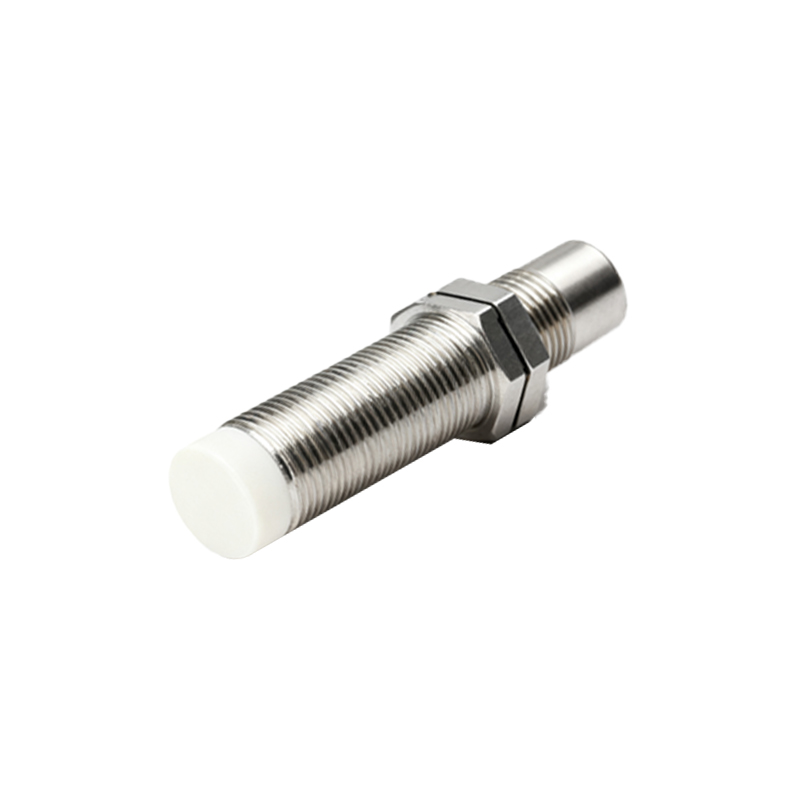
Selecting the appropriate eddy current sensor requires careful consideration of several factors. First, define the application: is it for simple presence detection or high-precision displacement measurement? This dictates the required accuracy, linearity, and frequency response. Next, identify the target material and its size; the target should be at least three times the sensor's diameter and sufficiently thick to support the eddy currents. Environmental conditions are paramount; while resistant to contaminants, the sensor must have a housing and cable rated for the ambient temperature, pressure, and potential exposure to chemicals or coolants. Output type is another key decision; analog outputs (4-20 mA or 0-10 V) are standard for continuous measurement, while digital outputs (PNP/NPN or IO-Link) suit switching applications. Finally, mechanical constraints like required mounting space, thread size (e.g., M8, M18), and probe style (threaded, cylindrical, or rectangular) must align with the installation.
Despite their robustness, optimal performance hinges on correct installation and awareness of limitations. The sensor should be mounted rigidly to minimize vibration-induced error. It is critical to maintain the specified clearance around the probe's sensing face to prevent interference from surrounding conductive structures, a phenomenon known as the "side-effect." While immune to many environmental factors, extreme temperatures can affect oscillator stability, and very strong external magnetic fields may interfere with operation. Regular verification against a known standard is recommended for critical measurement roles.
In conclusion, eddy current proximity sensors offer an unparalleled combination of precision, durability, and versatility for metallic target detection in demanding industrial settings. Their non-contact nature and material-specific sensing make them a superior choice for applications where reliability, speed, and accuracy are non-negotiable. By thoroughly understanding their operating principles, key specifications, and application requirements, engineers can effectively leverage this powerful technology to enhance system performance