In the evolving landscape of industrial automation, the transition from traditional proximity switches to fiber optic sensors represents a significant technological upgrade. Proximity switches, including inductive, capacitive, and ultrasonic types, have long been staples in detecting the presence or absence of metallic and non-metallic objects without physical contact. However, with increasing demands for precision, speed, and adaptability in harsh environments, fiber optic sensors are emerging as a superior alternative. This article explores the practical steps, benefits, and considerations involved in retrofitting proximity switches with fiber optic sensor systems.
Proximity switches operate based on electromagnetic fields or sound waves, making them effective for general detection tasks. For instance, inductive proximity switches detect ferrous metals within a limited range, typically up to 60 mm, while capacitive versions can sense materials like plastics or liquids. Despite their reliability, these sensors face limitations in extreme conditions, such as high temperatures, corrosive atmospheres, or areas with strong electromagnetic interference (EMI). Additionally, their sensing ranges and response times may fall short in high-speed automation lines, where milliseconds matter.
Fiber optic sensors, in contrast, utilize light transmission through optical fibers to detect objects. They consist of a transmitter (light source), a receiver (photodetector), and fiber cables that guide light to and from the sensing point. This design offers several advantages. First, fiber optic sensors are immune to EMI and radio frequency interference (RFI), making them ideal for use near motors, welders, or other electrical equipment. Second, they can operate in temperatures ranging from -40°C to over 200°C, surpassing the typical -25°C to 70°C range of standard proximity switches. Third, their small size and flexibility allow installation in tight spaces where conventional sensors might not fit.
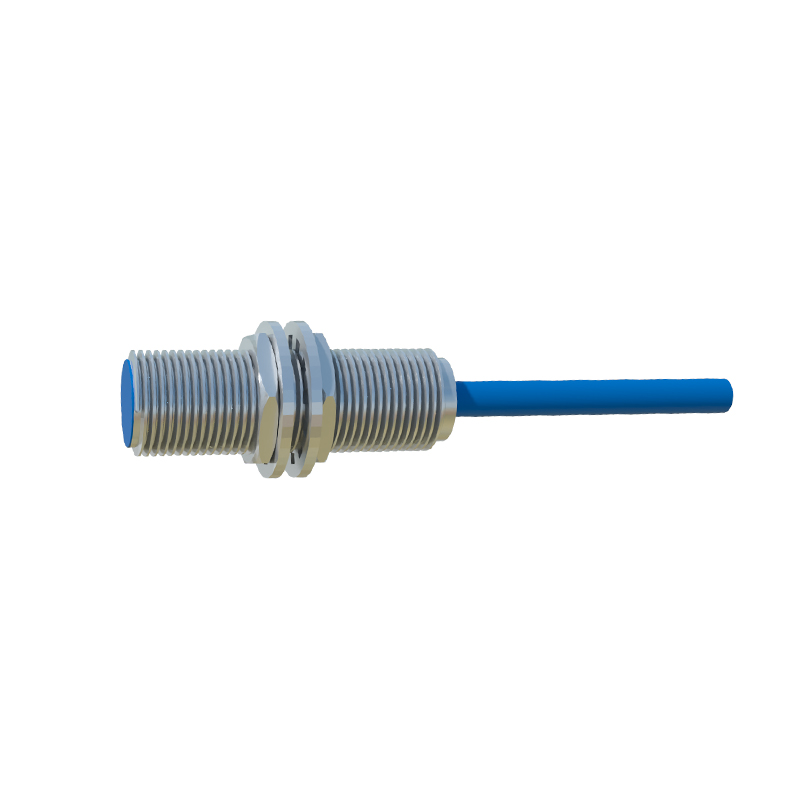
The conversion process begins with a thorough assessment of the existing setup. Identify the type of proximity switch in use, its sensing range, output signal (e.g., NPN, PNP, or analog), and the environmental conditions. Next, select a compatible fiber optic sensor system. Key factors include the sensing mode (through-beam, retroreflective, or diffuse), fiber material (glass or plastic), and connector types. Through-beam sensors, with separate transmitter and receiver units, offer the longest detection distances and highest accuracy, suitable for precise positioning tasks. Retroreflective models use a reflector to bounce light back, ideal for detecting reflective objects. Diffuse sensors rely on light reflection from the target itself, providing versatility for varied surfaces.
Installation involves replacing the proximity switch with the fiber optic sensor's amplifier unit, which processes the light signal and generates an output. The fiber cables are routed to the sensing point, often using existing conduits or mounting brackets. Ensure proper alignment and cleanliness of fiber ends, as dust or misalignment can impair performance. Calibration is critical: adjust the sensor's sensitivity threshold to match the application, such as detecting transparent bottles on a conveyor or metallic parts in a machining center. Many fiber optic sensors feature teach-in functions or potentiometers for easy setup.
One of the primary benefits of this conversion is enhanced reliability. Fiber optic sensors have no moving parts and are resistant to vibration, shock, and chemical exposure, reducing maintenance needs and downtime. Their fast response times, often in microseconds, improve cycle times in high-speed packaging, assembly, or robotics applications. Moreover, fiber optic systems can detect minute objects or color changes, expanding functionality beyond simple presence detection. For example, in food processing, they can identify contaminants or monitor fill levels without contact, ensuring hygiene and safety.
However, challenges may arise during the transition. Cost is a consideration, as fiber optic sensor systems generally have higher upfront expenses than proximity switches. Yet, the long-term savings from reduced failures and increased productivity often justify the investment. Compatibility with existing PLCs (Programmable Logic Controllers) or control systems must be verified; most fiber optic sensors output standard digital or analog signals, but interface modules might be required for legacy equipment. Training personnel on maintenance and troubleshooting is also essential, as fiber optic technology involves different principles than electromagnetic sensing.
In conclusion, converting proximity switches to fiber optic sensors is a strategic move for industries seeking to optimize automation performance. By leveraging light-based detection, companies can achieve greater accuracy, durability, and versatility in demanding environments. While the process requires careful planning and investment, the operational benefits—from improved efficiency to enhanced safety—make it a worthwhile upgrade. As automation continues to advance, embracing fiber optic technology positions businesses at the forefront of innovation, ready to meet future challenges with robust and adaptable sensing solutions.