In the realm of industrial automation, precision and efficiency are paramount. Laser edge detection sensors, also known as laser web guiding sensors or laser alignment sensors, have emerged as critical components for ensuring accurate material handling and processing. These sensors utilize laser technology to detect the position of material edges, such as webs, films, or sheets, in real-time, enabling automated correction systems to maintain proper alignment during high-speed operations.
The core principle involves projecting a laser line onto the target material's edge. The reflected light is captured by a receiver, and sophisticated algorithms analyze the data to determine the exact edge position. Any deviation from the preset reference triggers a signal to an actuator, which adjusts rollers, guides, or other mechanisms to realign the material. This closed-loop control minimizes waste, reduces downtime, and enhances product quality.
Key applications span numerous industries. In the converting industry—including paper, film, and foil production—laser edge sensors ensure precise slitting, winding, and coating processes. In the textile sector, they maintain fabric alignment during dyeing, printing, and finishing. The packaging industry relies on them for accurate label placement and carton sealing, while in metal processing, they guide strips and sheets through rolling mills and cutting lines.
Modern laser edge detection sensors offer significant advantages over traditional methods like ultrasonic or mechanical sensors. They provide non-contact measurement, eliminating wear and tear and allowing use with delicate materials. High resolution and fast response times suit high-speed production lines. Advanced models feature digital interfaces, such as Ethernet/IP or PROFINET, for seamless integration into Industrial Internet of Things (IIoT) networks, enabling predictive maintenance and data analytics.
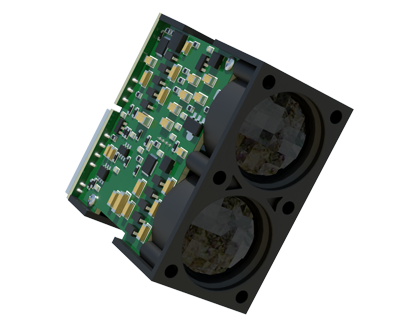
When selecting a laser edge sensor, engineers must consider factors like material type (opaque, transparent, or reflective), environmental conditions (dust, humidity, or temperature variations), and required accuracy. Proper installation and calibration are crucial; misalignment can lead to false readings. Regular maintenance, including lens cleaning and software updates, ensures long-term reliability.
Case studies highlight their impact. A paper mill implementing laser sensors reduced edge trim waste by 15% and increased machine speed by 10%. A flexible packaging producer achieved near-zero misalignment defects, enhancing customer satisfaction. These examples underscore the return on investment through material savings and improved throughput.

Looking ahead, trends like miniaturization, enhanced AI-driven diagnostics, and integration with cloud platforms will further expand capabilities. As industries pursue leaner and smarter manufacturing, laser edge detection sensors will remain indispensable for achieving unparalleled precision and operational excellence.
In summary, laser edge detection sensors are vital tools in automation, driving efficiency across diverse sectors. Their ability to deliver real-time, accurate alignment control makes them a cornerstone of modern industrial processes, supporting both quality and sustainability goals.