In the demanding landscape of industrial automation, proximity sensors serve as the fundamental eyes of machinery, providing non-contact detection of metallic objects. Among the diverse range of housings available, sensors encased in robust metal bodies stand out for their exceptional durability and performance in harsh environments. This article delves into the technical aspects, primary applications, and critical selection factors for metal-housed inductive proximity sensors.
The core sensing principle of an inductive proximity sensor remains unchanged regardless of housing: it generates an electromagnetic field from an oscillator circuit. When a metallic target enters this field, eddy currents are induced, causing a change in the oscillation amplitude. This change is detected by the sensor's circuitry, which subsequently triggers a solid-state output switch. The metal housing, typically constructed from stainless steel (such as grades 303, 304, or 316) or nickel-plated brass, plays a multifaceted role beyond mere physical protection. It acts as a shield, significantly enhancing the sensor's immunity to electromagnetic interference (EMI) from nearby motors, variable frequency drives (VFDs), and welding equipment. This shielding is crucial for maintaining signal integrity and preventing false triggering in electrically noisy plants.
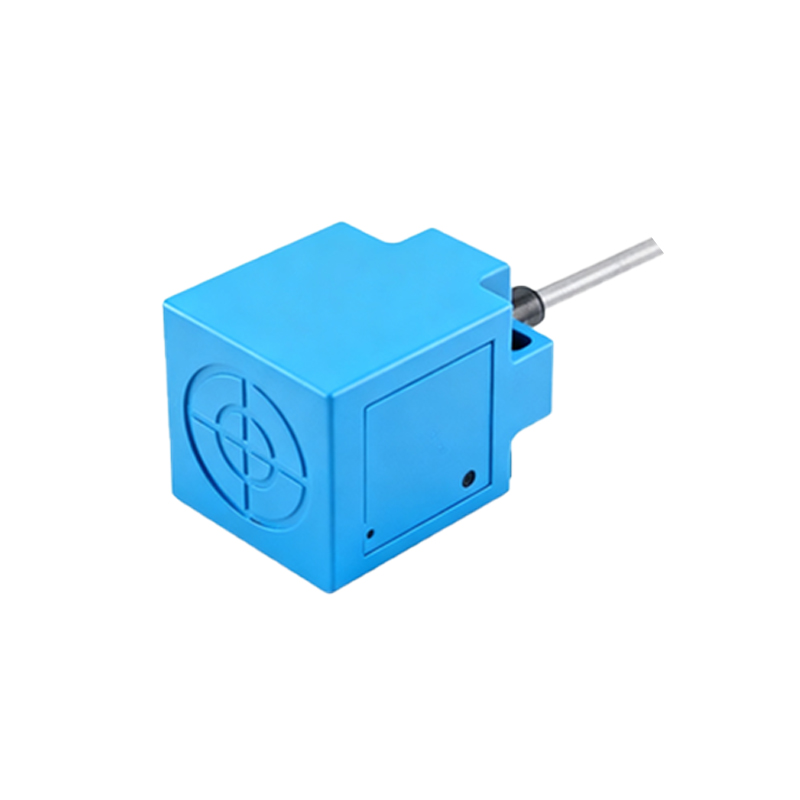
Furthermore, the metal enclosure provides superior mechanical strength, offering high resistance to impact, vibration, and abrasion—common challenges on factory floors, in heavy machinery, and on mobile equipment. Many metal-housed sensors are designed to meet high Ingress Protection (IP) ratings, such as IP67, IP68, or IP69K, ensuring reliable operation when exposed to coolants, oils, high-pressure washdowns, and particulate matter. This makes them indispensable in industries like food and beverage processing, metalworking, automotive manufacturing, and outdoor applications.
The design of the sensing face is a critical consideration. While the housing is metal, the active sensing area is typically comprised of a specialized, non-metallic material (often a polymer or ceramic) that allows the electromagnetic field to penetrate. High-quality sensors ensure this face is seamlessly integrated and robustly bonded to the metal body to prevent fluid ingress. Mounting options are another key feature; many metal-bodied sensors offer flush or non-flush mounting capabilities. Flush-mountable sensors can be installed embedded in a metal bracket without false triggering from the surrounding material, offering protection and space savings.
When selecting a metal-housed proximity sensor, engineers must evaluate several parameters beyond the housing material itself. Sensing distance, or the nominal range at which a standard target can be reliably detected, is fundamental. It is vital to note that different metals affect this range; for instance, steel has a factor of 1, while stainless steel may reduce it to approximately 0.7-0.8, and aluminum or copper to 0.3-0.4. The sensor's output type (PNP/NPN, NO/NC) must be compatible with the controller's input card (typically PLC). Operating voltage range (commonly 10-30V DC), switching frequency (response speed), and temperature rating are also essential. For applications involving different metallic targets or requiring extended range, sensors with factor-1 capability or analog output (4-20mA or 0-10V) proportional to distance may be necessary.
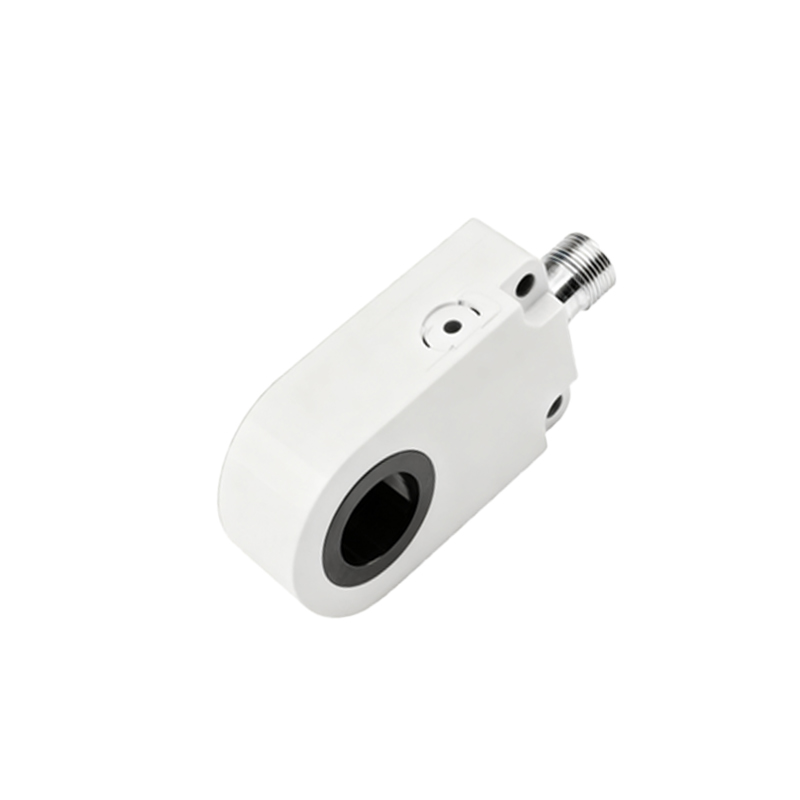
In practice, these sensors are deployed in countless scenarios. They are used for precise position detection of cylinders via built-in piston magnets, part presence verification on conveyor lines, rotary speed monitoring on shafts, and end-of-travel sensing on heavy actuators. Their resilience makes them perfect for machine tools where cutting fluids are pervasive, for robotic end-effectors subject to constant collision risk, and in material handling systems exposed to dust and mechanical shock.
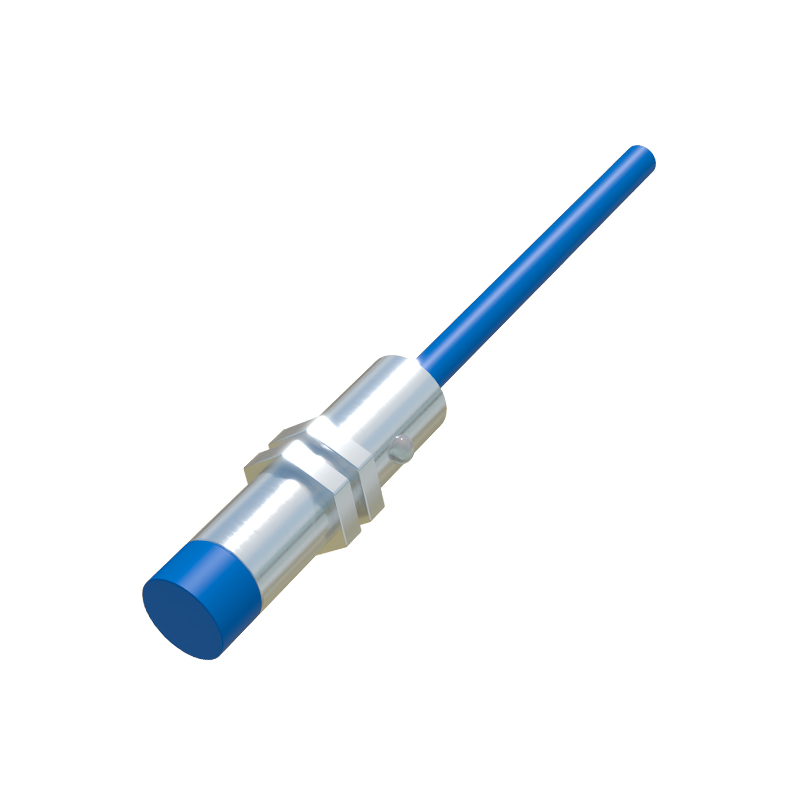
In conclusion, metal-housed inductive proximity sensors represent a premium, ruggedized solution for reliable object detection in challenging industrial settings. Their design harmonizes electromagnetic functionality with physical fortitude. Successful implementation hinges on a thorough analysis of the environmental conditions, target material, required sensing characteristics, and electrical interface. By specifying the correct metal-housed sensor, engineers can significantly enhance system reliability, reduce downtime, and ensure long-term operational stability in even the toughest automation applications.