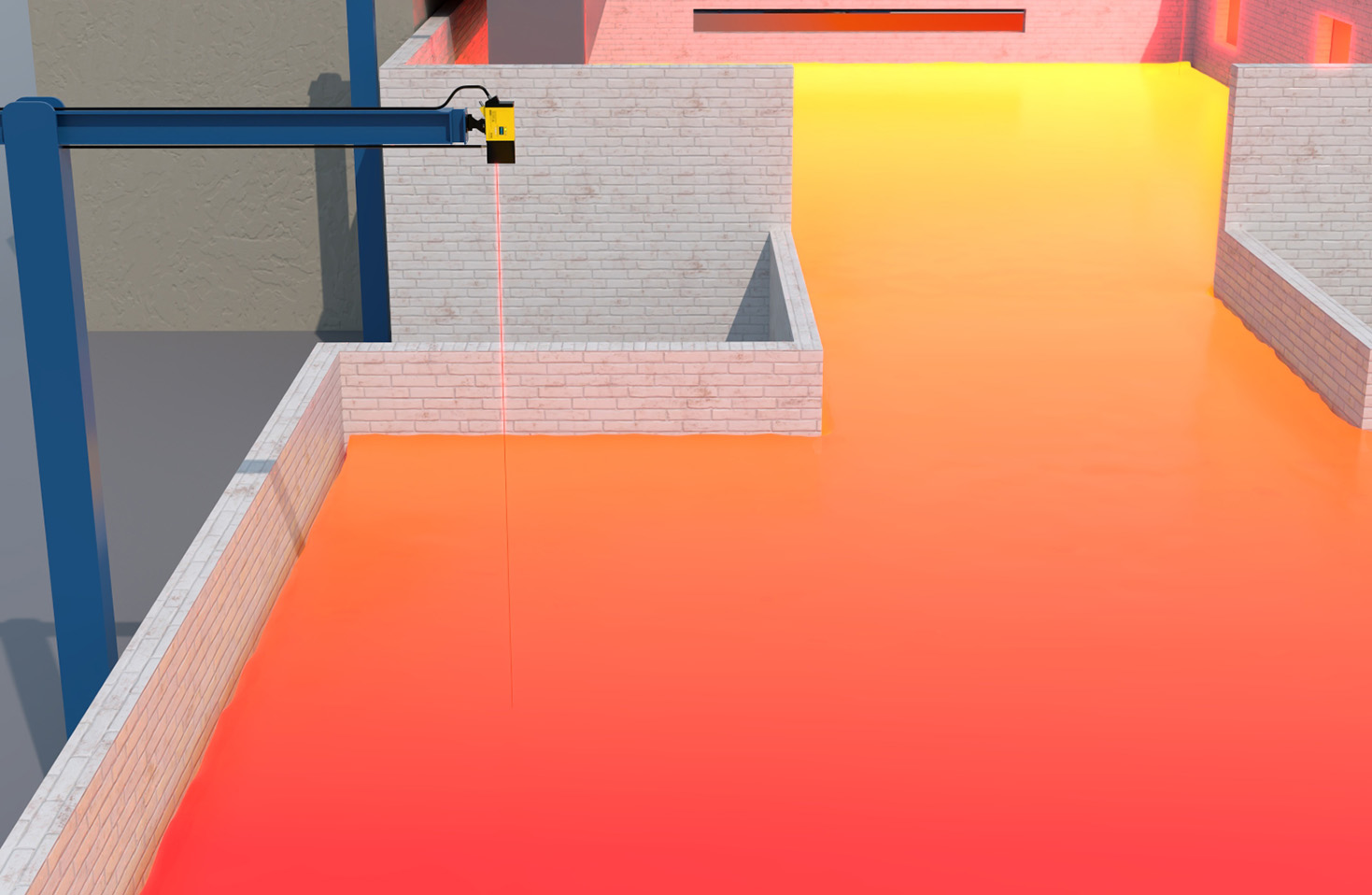
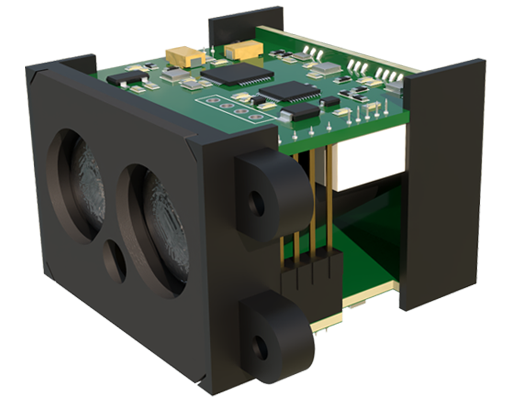
In the realm of industrial automation and precision measurement, the normal laser sensor stands as a cornerstone technology, enabling unparalleled accuracy in non-contact distance and displacement measurement. Unlike conventional sensors that may measure at an angle, a normal laser sensor is specifically designed to measure the distance to a target surface along a line perpendicular (normal) to that surface. This fundamental characteristic is critical for applications demanding high precision, where angular errors must be eliminated.
The core operating principle of most normal laser sensors is triangulation. The sensor emits a focused laser beam onto the target surface. The reflected light is then captured by a receiving lens at a specific angle and focused onto a position-sensitive detector, typically a CCD or PSD array. The position of the light spot on this detector shifts linearly with changes in the target's distance. Sophisticated internal electronics process this positional data to calculate the exact distance with micron-level resolution. For applications requiring extreme speed or dealing with highly reflective or dark surfaces, alternative principles like time-of-flight (ToF) or confocal chromatic sensing may be employed in a normal measurement configuration.
The applications for normal laser sensors are vast and span numerous industries. In automotive manufacturing, they are indispensable for measuring panel gaps, flushness, and critical component thickness with relentless consistency. In the electronics sector, these sensors verify the coplanarity of integrated circuit (IC) leads, measure solder paste height on PCBs, and inspect wafer warpage. The precision machining industry relies on them for in-process control of part dimensions, tool wear compensation, and surface profile scanning. Furthermore, they play a vital role in robotics for precise guidance and positioning, ensuring that robotic arms operate within tight tolerances.
Selecting the appropriate normal laser sensor for a specific task requires careful consideration of several key parameters. Measurement Range defines the minimum and maximum distances over which the sensor can operate accurately. Resolution indicates the smallest detectable change in distance, crucial for micron-level tasks. Spot Size is critical as it determines the minimum feature size that can be measured; a smaller spot allows for higher lateral resolution. Linearity Error specifies the maximum deviation from a perfect straight-line response across the measurement range. Sampling Rate or response speed is paramount for dynamic measurements or high-speed production lines. Environmental factors cannot be overlooked; Temperature Stability ensures performance is maintained despite thermal fluctuations, and robust housing with an appropriate Ingress Protection (IP) Rating is necessary for harsh environments with dust, oil, or coolant exposure.
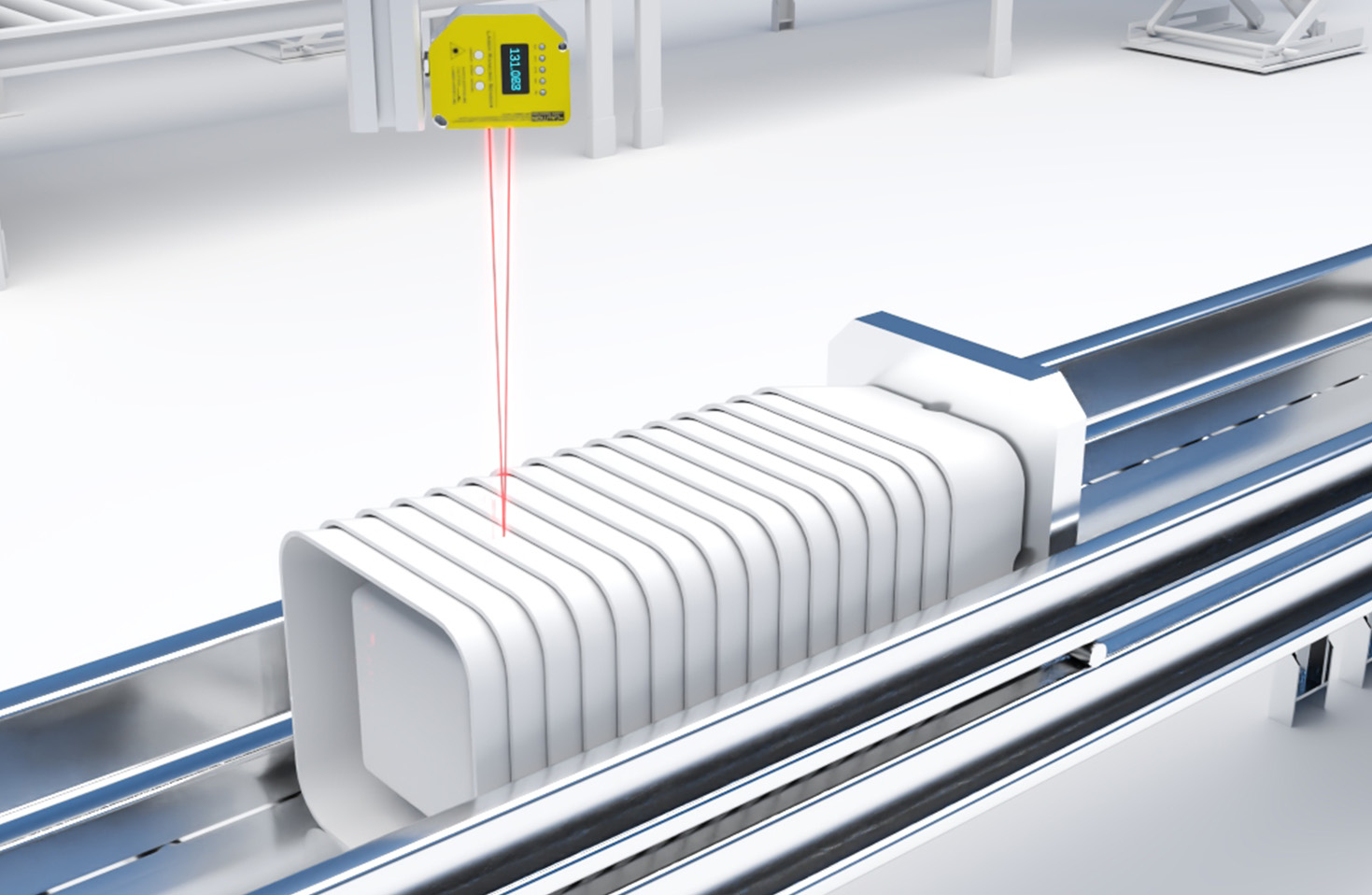
Integration into automated systems is typically straightforward. Modern normal laser sensors offer a variety of digital (e.g., EtherCAT, PROFINET, IO-Link) and analog outputs (e.g., 0-10V, 4-20mA) for seamless communication with PLCs, data acquisition systems, and industrial computers. Advanced models feature integrated controllers with programmable logic, allowing for standalone operation and complex decision-making, such as go/no-go sorting based on measurement thresholds.
The future trajectory of normal laser sensor technology points toward even greater miniaturization, higher speeds, and enhanced intelligence. The integration of embedded artificial intelligence for adaptive calibration and anomaly detection is on the horizon. Furthermore, the fusion of laser measurement data with 3D vision systems is creating powerful solutions for comprehensive quality inspection. As Industry 4.0 and smart factory initiatives advance, the role of the normal laser sensor as a critical provider of high-fidelity metrological data will only become more pronounced, driving efficiency, quality, and automation to new levels.
In conclusion, the normal laser sensor is far more than a simple distance-measuring device. It is a sophisticated, application-engineered solution that solves complex challenges in precision measurement. By understanding its operating principles, vast application potential, and critical selection criteria, engineers and system integrators can effectively harness this technology to optimize processes, ensure stringent quality control, and build more intelligent, responsive automated systems.