In today's rapidly evolving industrial landscape, the demand for precision, reliability, and adaptability in sensing technology has never been greater. Custom laser sensor solutions have emerged as a critical component across various sectors, including manufacturing, automation, robotics, and quality control. Unlike off-the-shelf sensors, tailored laser systems are engineered to meet specific operational challenges, offering unparalleled performance in complex environments.
The process of developing a custom laser sensor begins with a thorough analysis of the application requirements. Key factors such as measurement range, resolution, response time, environmental conditions (e.g., temperature, humidity, dust), and integration with existing systems must be carefully evaluated. For instance, in high-speed assembly lines, sensors may need to detect minute defects at rates exceeding thousands of parts per minute, while in harsh outdoor settings, robustness against weather and vibrations becomes paramount.
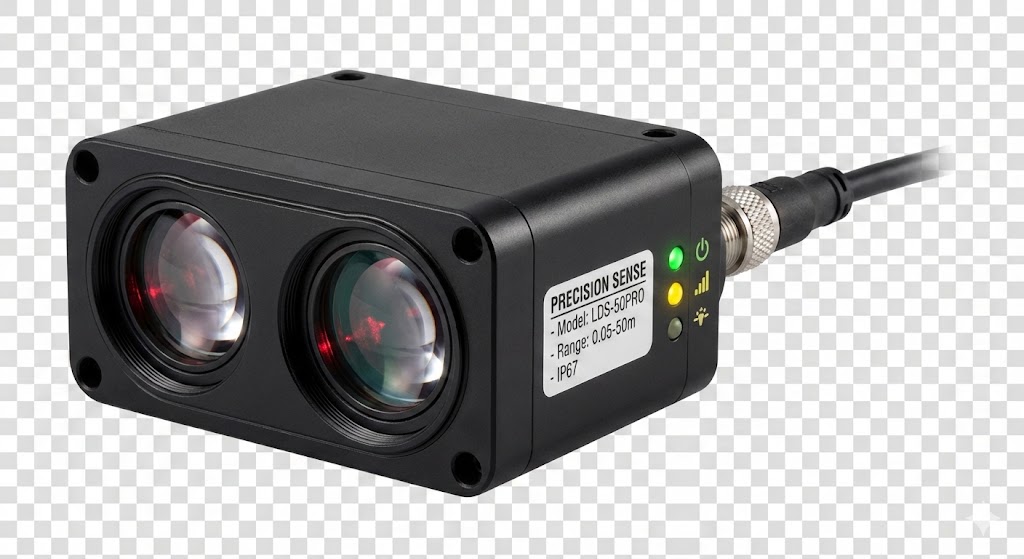
Advanced laser technologies, including time-of-flight (ToF), triangulation, and confocal displacement methods, form the foundation of these customized solutions. ToF sensors are ideal for long-distance measurements, commonly used in logistics for warehouse automation and vehicle detection. Triangulation sensors excel in high-precision, short-range applications like surface inspection or thickness gauging. Confocal sensors offer exceptional accuracy for transparent or reflective materials, making them suitable for semiconductor and electronics manufacturing.
Collaboration between clients and engineering teams is essential throughout the customization journey. Engineers leverage simulation tools and prototyping to validate design concepts, ensuring that the sensor meets both technical specifications and cost-effectiveness. Iterative testing in real-world scenarios helps refine parameters such as laser wavelength, beam shape, and data output interfaces (e.g., analog, digital, or industrial Ethernet protocols like PROFINET or EtherCAT).
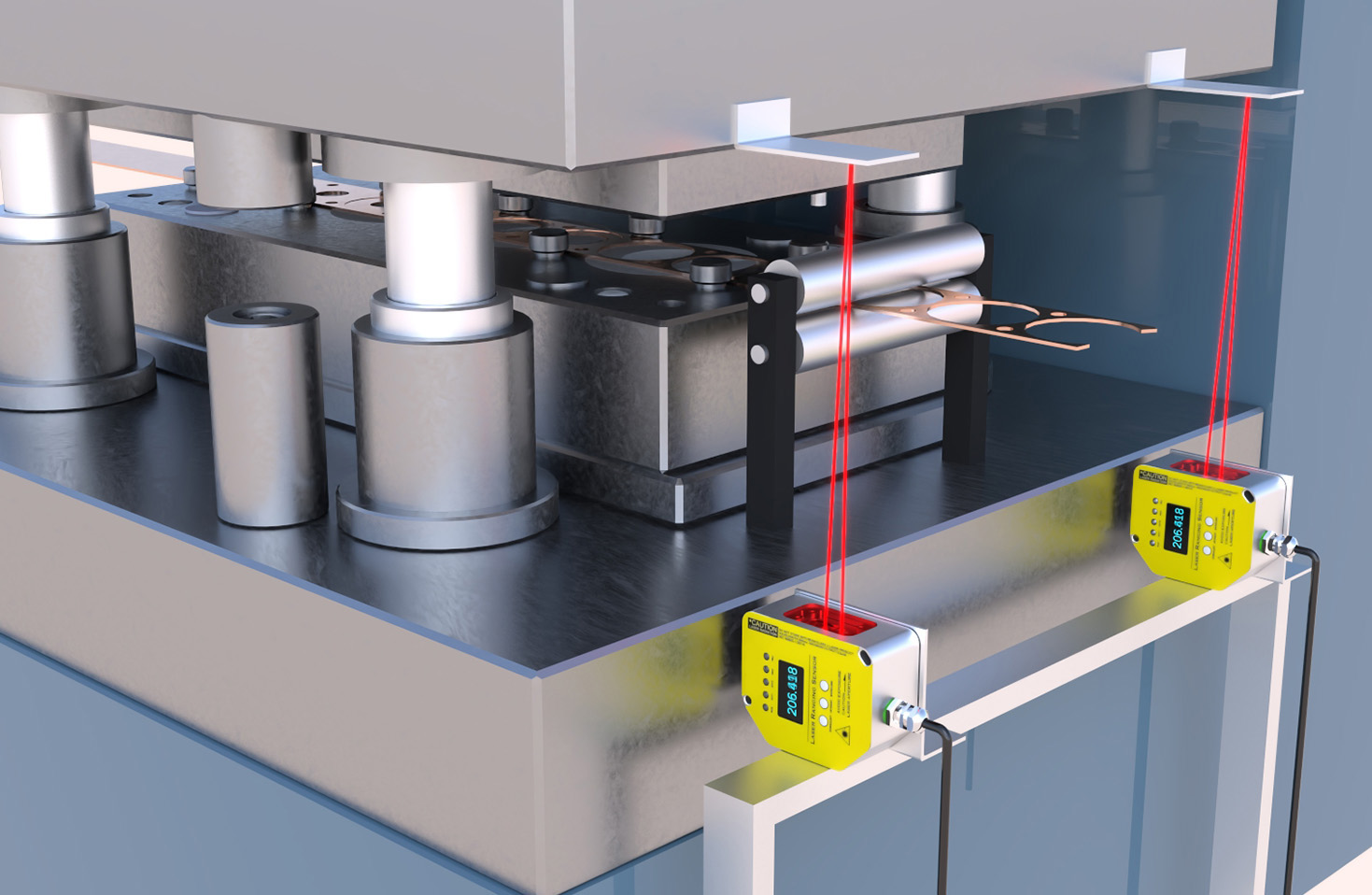
One notable application is in the automotive industry, where custom laser sensors monitor weld seam quality on production lines. These sensors are calibrated to detect sub-millimeter variations, triggering immediate adjustments to welding robots, thereby reducing waste and enhancing safety. Similarly, in pharmaceutical packaging, laser systems verify label placement and pill count with micron-level precision, complying with stringent regulatory standards.
The integration of smart features, such as IoT connectivity and AI-driven analytics, further elevates custom laser sensors. Embedded algorithms can predict maintenance needs or adapt to changing conditions in real time, minimizing downtime. For example, a sensor deployed in agricultural machinery might adjust its scanning pattern based on crop density, optimizing harvest efficiency.
Despite the advantages, challenges like optical interference, calibration complexity, and higher initial costs must be addressed. Experienced providers mitigate these issues through robust housing designs, software calibration suites, and lifecycle support. Ultimately, investing in a tailored solution pays dividends through improved productivity, reduced errors, and long-term scalability.
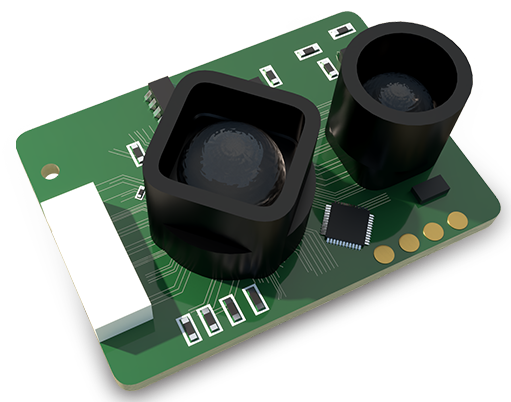
As industries embrace Industry 4.0, the role of custom laser sensors will continue to expand. Innovations in miniaturization, energy efficiency, and multi-sensor fusion are paving the way for next-generation applications. Whether for delicate laboratory instruments or heavy-duty construction equipment, bespoke laser sensing solutions empower businesses to achieve new levels of operational excellence. By partnering with specialized engineers, organizations can transform unique challenges into competitive advantages, driving innovation forward in an increasingly automated world.