In the rapidly evolving landscape of industrial automation, precision and reliability are paramount. Automatic leveling proximity sensors have emerged as critical components in this domain, offering unparalleled accuracy in detecting the presence, position, or absence of objects without physical contact. These sensors utilize advanced technologies such as inductive, capacitive, or ultrasonic principles to ensure seamless operations across various applications, from manufacturing assembly lines to robotic systems.
The core functionality of an automatic leveling proximity sensor lies in its ability to self-adjust to optimal sensing distances, compensating for environmental fluctuations like temperature changes or mechanical vibrations. This self-calibration feature minimizes manual intervention, reducing downtime and enhancing overall system efficiency. For instance, in conveyor belt systems, these sensors can detect minute variations in object height or alignment, triggering automatic adjustments to maintain consistent product flow. This not only improves throughput but also mitigates the risk of jams or misalignments that could lead to costly production halts.
Technologically, modern automatic leveling proximity sensors integrate microprocessors and digital signal processing (DSP) capabilities. These elements enable real-time data analysis, allowing the sensor to adapt dynamically to changing conditions. For example, in automotive manufacturing, sensors equipped with DSP can distinguish between different metal types or surface finishes, ensuring precise detection even in complex environments. Additionally, many models feature IO-Link communication protocols, facilitating seamless integration with Industrial Internet of Things (IIoT) networks. This connectivity empowers predictive maintenance strategies, as sensors can transmit operational data to central systems for analysis, alerting technicians to potential issues before they escalate.
The benefits of deploying automatic leveling proximity sensors extend beyond operational efficiency. They contribute significantly to safety by eliminating the need for physical contact with moving parts, reducing workplace hazards. In hazardous environments, such as those with explosive materials, intrinsically safe sensor designs prevent ignition risks. Moreover, their robust construction—often featuring stainless steel housings and IP67 or higher ingress protection ratings—ensures durability in harsh conditions, including exposure to dust, moisture, or extreme temperatures. This resilience translates to longer service life and lower total cost of ownership, making them a cost-effective solution for industries like mining, food processing, and pharmaceuticals.
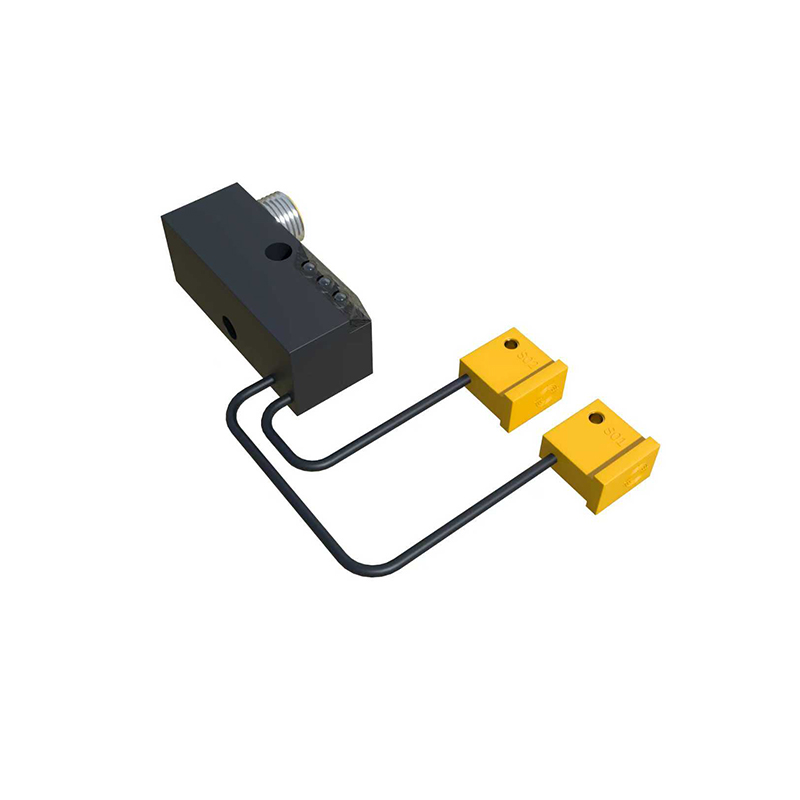
Looking ahead, the integration of artificial intelligence (AI) and machine learning (ML) is set to revolutionize automatic leveling proximity sensors. AI algorithms can enhance pattern recognition, enabling sensors to learn from historical data and predict anomalies with greater accuracy. For instance, in smart warehouses, AI-driven sensors could optimize inventory management by tracking items in real-time and adjusting storage configurations autonomously. As Industry 4.0 advances, these sensors will play a pivotal role in creating fully automated, adaptive systems that respond intelligently to dynamic production demands.
In conclusion, automatic leveling proximity sensors represent a cornerstone of modern industrial automation, driving precision, safety, and efficiency. Their evolving capabilities, from self-calibration to IIoT connectivity, underscore their importance in achieving seamless, high-performance operations. As technology continues to progress, these sensors will undoubtedly become even more integral to the factories of the future, empowering businesses to thrive in an increasingly competitive global market.